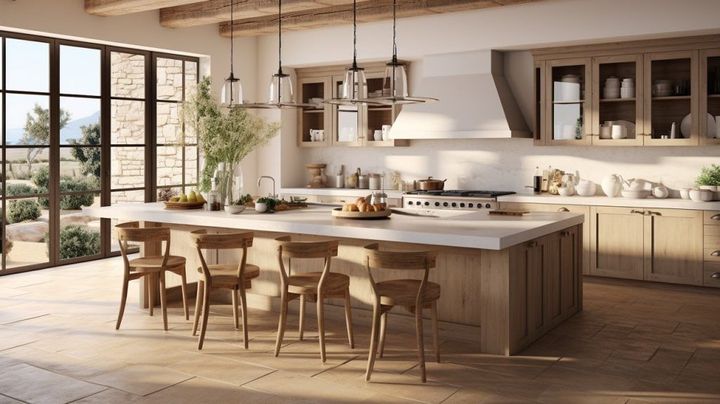
Kitchen Renovation: Explore Guide, Tips, Insights, Advice, Facts, and Expert Resources
Kitchen renovation refers to the process of improving, updating, or redesigning a kitchen to enhance its functionality, efficiency, appearance, and usability. Renovation projects may range from simple layout adjustments and cabinet upgrades to complete transformations involving electrical systems, plumbing infrastructure, lighting, flooring, and modern appliances.
The concept of kitchen renovation exists because kitchens are among the most frequently used spaces in residential properties. Over time, changing household needs, evolving design preferences, technological advancements, and building standards often require updates to existing kitchen spaces.
Modern kitchen renovation focuses on creating practical environments that support cooking, storage, dining, and family interaction. Many renovation projects prioritize space optimization, energy efficiency, ergonomic design, and sustainable materials.
Common renovation objectives include:
• Improving workflow and kitchen layout
• Increasing storage capacity
• Enhancing lighting and ventilation
• Integrating smart kitchen technology
• Upgrading countertops and cabinetry
• Improving energy efficiency
• Creating accessible and user-friendly spaces
Why Kitchen Renovation Matters Today
Kitchen renovation has become increasingly important due to changing lifestyles, remote work trends, and growing interest in home improvement projects.
Many households spend more time preparing meals at home than in previous years. As a result, functional kitchen design has become a significant consideration for property owners, designers, and construction professionals.
The topic affects various groups, including:
• Homeowners seeking improved functionality
• Property managers maintaining residential assets
• Interior designers developing efficient layouts
• Architects planning residential projects
• Contractors and renovation specialists
• Families requiring accessible kitchen spaces
Kitchen renovation helps address several common challenges:
| Challenge | Renovation Solution |
|---|---|
| Limited storage | Custom cabinets and shelving |
| Poor lighting | Layered lighting systems |
| Inefficient layout | Workflow optimization |
| High energy usage | Energy-efficient appliances |
| Aging infrastructure | Updated plumbing and electrical systems |
| Accessibility concerns | Universal design features |
A well-planned renovation can contribute to improved organization, better workflow, enhanced safety, and increased comfort for daily kitchen activities.
Recent Updates, Trends, and Industry Developments
Kitchen renovation trends continue to evolve as technology, sustainability goals, and design preferences change.
Smart Kitchen Integration
During 2025 and early 2026, smart kitchen technology continued gaining popularity. Connected appliances, voice-controlled lighting systems, and smart energy monitoring tools became more common in renovation projects.
Examples include:
• Smart refrigerators with inventory tracking
• App-controlled ovens
• Automated lighting systems
• Smart water monitoring devices
• Energy consumption dashboards
Sustainable Materials
Environmental considerations have influenced renovation decisions throughout 2025.
Popular sustainable choices include:
• Recycled countertop materials
• Low-emission cabinetry products
• Bamboo-based surfaces
• Water-efficient fixtures
• LED lighting systems
Multifunctional Spaces
Kitchen spaces increasingly serve multiple purposes, including dining, remote work, and social interaction. Designers have responded by incorporating flexible layouts and adaptable workstations.
Increased Focus on Ventilation
Improved indoor air quality has become a significant design consideration. Modern renovation projects often include advanced ventilation systems and air circulation improvements.
Popular Design Preferences in 2025–2026
| Design Trend | Current Popularity |
| Open layouts | High |
| Natural materials | High |
| Smart appliances | High |
| Minimalist storage | Moderate |
| Mixed textures | High |
| Energy-efficient lighting | High |
Kitchen Renovation Trend Adoption
Energy Efficiency ██████████
Smart Technology █████████
Natural Materials ████████
Open Layouts █████████
Accessibility Features ███████
Multifunction Spaces ████████
The chart above illustrates general industry interest levels observed across recent renovation discussions and design publications.
Regulations, Building Standards, and Government Considerations
Kitchen renovation projects are often influenced by local building regulations, safety standards, and environmental requirements.
Depending on the location, renovation activities may involve compliance with:
• Building codes
• Electrical safety regulations
• Plumbing standards
• Ventilation requirements
• Fire safety guidelines
• Energy efficiency standards
Common regulated areas include:
Electrical Systems
Electrical modifications frequently require compliance with safety standards for outlets, wiring, circuit protection, and appliance installation.
Plumbing Infrastructure
Changes involving sinks, dishwashers, or water systems often need to follow plumbing regulations that address sanitation and water efficiency.
Ventilation Requirements
Many jurisdictions establish ventilation standards to improve indoor air quality and reduce moisture accumulation.
Accessibility Standards
Some renovation projects incorporate accessibility principles designed to improve usability for individuals with mobility limitations.
Environmental Programs
Various government sustainability initiatives encourage energy-efficient lighting, water conservation measures, and environmentally responsible building materials.
Before beginning major renovations, reviewing applicable local requirements and permit processes is often recommended.
Helpful Tools and Expert Resources
Numerous digital tools and educational resources support kitchen renovation planning and decision-making.
Design and Layout Software
• SketchUp
• Planner 5D
• RoomSketcher
• HomeByMe
• Floorplanner
These platforms help visualize layouts, cabinet placement, appliance positioning, and traffic flow.
Measurement and Planning Tools
• Digital room measurement apps
• Floor plan generators
• Material estimation calculators
• Lighting placement calculators
Energy Efficiency Resources
Useful resources often include:
• Appliance energy rating databases
• Lighting efficiency calculators
• Water conservation guides
• Sustainable material directories
Organization Templates
Common planning templates include:
• Renovation timelines
• Project checklists
• Material tracking sheets
• Appliance comparison worksheets
• Budget planning templates
Educational Resources
Valuable information can be found through:
• Architecture publications
• Interior design associations
• Home improvement learning platforms
• Building standards organizations
• Energy efficiency education portals
Frequently Asked Questions
How long does a typical kitchen renovation take?
Project timelines vary depending on complexity. Minor updates may take several weeks, while extensive renovations involving structural, electrical, or plumbing modifications can require several months.
What is the most important aspect of kitchen planning?
Functionality is often considered the primary factor. Efficient workflow, storage capacity, lighting, and accessibility generally have a significant impact on everyday usability.
Why is kitchen ventilation important?
Proper ventilation helps remove cooking odors, excess moisture, smoke, and airborne particles. Effective ventilation can contribute to improved indoor air quality and comfort.
What are smart kitchen technologies?
Smart kitchen technologies include connected appliances and automation systems that can be monitored or controlled through mobile devices or voice assistants.
How can energy efficiency be improved during renovation?
Common approaches include:
• Installing LED lighting
• Using energy-efficient appliances
• Improving insulation
• Selecting water-saving fixtures
• Utilizing smart energy management systems
Conclusion
Kitchen renovation is a comprehensive process that combines design, functionality, technology, safety, and sustainability considerations. Modern renovation projects focus not only on appearance but also on creating efficient spaces that support evolving household needs.
Recent developments such as smart kitchen systems, sustainable materials, enhanced ventilation, and multifunctional layouts continue shaping renovation strategies across the industry. Understanding applicable regulations, planning carefully, and utilizing available tools and resources can help support informed decision-making throughout the renovation process.
As kitchen design continues to evolve, renovation remains an important topic for homeowners, designers, architects, and construction professionals seeking practical, efficient, and adaptable living spaces.