Jump to a Chapter

Kia SYROS EV Launched: Complete Guide and Overview

Kia SYROS EV Launched: Complete Guide and Overview

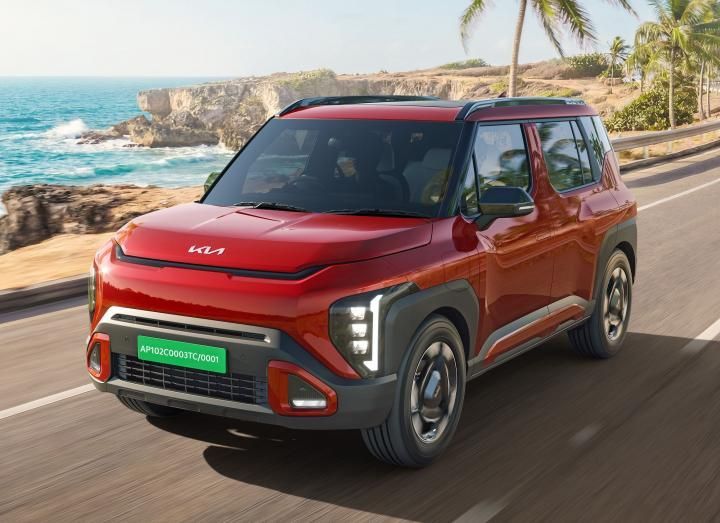
The Kia SYROS EV is an all-electric compact SUV introduced for the Indian market as part of Kia's expanding electric mobility portfolio. It is designed to offer a practical driving experience for urban commuters while supporting longer journeys through improved battery technology, advanced safety systems, and connected vehicle features.

Electric vehicles have become an important part of the global automotive industry as governments, manufacturers, and consumers focus on reducing emissions and improving energy efficiency. The launch of the Kia SYROS EV reflects this ongoing transition toward cleaner transportation while expanding the choices available within the compact SUV segment.

Unlike conventional internal combustion engine vehicles, the Kia SYROS EV operates entirely on electric power. Electricity stored in a lithium-ion battery pack powers an electric motor, eliminating tailpipe emissions during driving. This approach contributes to lower operational emissions and aligns with broader sustainability initiatives.

The vehicle also introduces several modern technologies including regenerative braking, multiple drive modes, connected infotainment, advanced driver assistance features, and digital vehicle management systems. These technologies aim to improve efficiency, convenience, and overall driving experience.

The Kia SYROS EV has been developed with the needs of daily commuters in mind while maintaining practicality for family use. Its compact dimensions make it suitable for city driving, while the electric platform provides smooth acceleration and quieter operation compared to traditional petrol or diesel vehicles.

Kia SYROS EV Specifications at a Glance

SpecificationDetails
Vehicle TypeElectric Compact SUV
PowertrainPermanent Magnet Electric Motor
Battery Options42 kWh and 51.4 kWh
Certified RangeUp to approximately 490 km (MIDC)
Fast ChargingDC Fast Charging Supported
AC ChargingHome AC Charging Supported
Drive ModesMultiple Driving Modes
Regenerative BrakingAvailable
Connected FeaturesKia Connect Technology
Safety FeaturesMultiple Airbags, ADAS (Selected Variants), ESC, ABS

Why the Kia SYROS EV Matters Today

Electric mobility continues to gain importance due to increasing environmental awareness, improvements in charging infrastructure, and advancements in battery technology. Vehicles such as the Kia SYROS EV contribute to this transition by offering an electric alternative within one of India's most popular vehicle segments.

Several groups may benefit from developments in electric vehicles:

  • Urban commuters seeking reduced dependence on conventional fuels.
  • Families looking for spacious compact SUVs with modern technology.
  • Fleet operators evaluating lower maintenance requirements.
  • Technology enthusiasts interested in connected mobility.
  • Environment-conscious drivers aiming to reduce operational emissions.

The growth of electric vehicles also supports broader national goals related to clean transportation and energy diversification.

Some of the challenges electric vehicles aim to address include:

  • Reduced tailpipe emissions.
  • Lower noise pollution.
  • Improved energy efficiency.
  • Reduced dependence on fossil fuels.
  • Integration with renewable energy ecosystems.

As charging infrastructure expands across India, electric vehicles are becoming increasingly practical for everyday transportation.

Battery, Charging and Performance Overview

The Kia SYROS EV offers two battery configurations to accommodate different driving requirements.

FeatureStandard BatteryLong Range Battery
Battery Capacity42 kWh51.4 kWh
Certified RangeAround 380 kmAround 490 km
Charging TypeAC & DCAC & DC
Fast ChargingSupportedSupported

The vehicle supports both home charging and public DC fast charging infrastructure.

Key charging highlights include:

  • AC charging for overnight home charging.
  • DC fast charging for quicker charging during travel.
  • Battery management system for thermal control.
  • Regenerative braking to recover energy while slowing down.

Electric motors also provide instant torque, resulting in smooth acceleration without traditional gear changes.

Key Features and Technology

The Kia SYROS EV integrates several technologies that are becoming increasingly common in modern electric vehicles.

Important features include:

  • Digital instrument cluster.
  • Large touchscreen infotainment system.
  • Wireless smartphone connectivity.
  • Connected car technology.
  • Vehicle health monitoring.
  • Remote climate control.
  • Voice command support.
  • Over-the-air software updates.
  • Regenerative braking controls.
  • Multiple driving modes.

Higher variants may also include Advanced Driver Assistance Systems (ADAS), offering technologies such as:

  • Adaptive Cruise Control.
  • Lane Keeping Assist.
  • Forward Collision Avoidance Assist.
  • Blind Spot Monitoring.
  • Driver Attention Warning.

These technologies are designed to support safer driving practices but do not replace attentive driving.


Recent Updates and Industry Developments

The Kia SYROS EV was officially launched in India during July 2026, expanding Kia India's electric vehicle portfolio.

Recent developments surrounding the launch include:

  • Introduction of two battery pack options.
  • MIDC-certified driving range approaching 490 km for the larger battery.
  • Expanded ADAS availability across selected variants.
  • Improved connected vehicle ecosystem.
  • Enhanced fast charging capability.
  • Digital cabin upgrades.
  • Additional safety equipment.

Broader industry developments during 2025–2026 have also influenced electric vehicle adoption:

YearIndustry Development
2025Continued expansion of public EV charging infrastructure
2025Increased localisation of EV components
2026More compact electric SUV launches
2026Improvements in battery energy density
2026Growing adoption of connected vehicle software

The Indian EV market continues to witness increasing competition across multiple vehicle categories, encouraging manufacturers to introduce newer technologies and improve efficiency.

Regulations, Policies and Government Programs

Electric vehicles in India operate within a regulatory framework established by central and state authorities.

Important policy areas include:

Automotive Safety Standards

Electric vehicles must comply with applicable automotive safety regulations covering crash protection, electrical safety, braking systems, and occupant protection.

Battery Safety Standards

Manufacturers are required to comply with battery safety standards relating to thermal management, testing, durability, and protection against electrical hazards.

Charging Standards

Charging infrastructure follows nationally recognized standards to promote compatibility between public charging stations and electric vehicles.

Vehicle Registration

Electric vehicles are registered according to state transport regulations. Several states continue to support EV adoption through various policy initiatives, although benefits differ by state and may change over time.

National EV Initiatives

India continues to support electric mobility through broader programs focused on:

  • Manufacturing ecosystem development.
  • Charging infrastructure expansion.
  • Battery production.
  • Research and innovation.
  • Clean transportation adoption.

Vehicle owners should consult official government notifications for the latest regulatory information, as policies may be updated periodically.

Helpful Tools and Resources

Several official resources can help individuals learn more about electric vehicles and related infrastructure.

ResourcePurpose
Kia India WebsiteVehicle specifications and official information
Kia ConnectConnected vehicle management
Ministry of Heavy IndustriesEV policy updates
Ministry of Road Transport and HighwaysVehicle regulations
Bureau of Indian StandardsTechnical standards
Public Charging Network AppsLocate charging stations
Google MapsEV charging navigation
PlugShareCommunity charging locations

Useful digital tools include:

  • Charging station locators.
  • Route planning applications.
  • Battery charging calculators.
  • Electricity consumption estimators.
  • EV maintenance trackers.
  • Connected vehicle mobile apps.

These resources can help drivers better understand charging, vehicle management, and electric mobility planning.


Frequently Asked Questions

What type of vehicle is the Kia SYROS EV?

The Kia SYROS EV is a fully electric compact SUV powered by an electric motor and lithium-ion battery pack.


How many battery options are available?

The vehicle is available with two battery capacities: approximately 42 kWh and 51.4 kWh, depending on the selected variant.


What is the claimed driving range?

The larger battery version has an MIDC-certified driving range of up to approximately 490 kilometres, while the smaller battery provides a lower certified range suitable for daily commuting.

Actual driving range may vary depending on driving style, weather, terrain, traffic conditions, and vehicle load.


Does the Kia SYROS EV support fast charging?

Yes. The vehicle supports DC fast charging as well as AC home charging, allowing flexibility for different charging requirements.


Does the Kia SYROS EV include advanced safety technology?

Selected variants include Advanced Driver Assistance Systems (ADAS) alongside standard safety technologies such as airbags, electronic stability control, anti-lock braking systems, and other driver assistance features.

Battery Capacity Comparison


Battery Capacity

42 kWh     ████████████████████

51.4 kWh   ██████████████████████████


Certified Driving Range Comparison


MIDC Certified Range

380 km     ███████████████████

490 km     ████████████████████████████


Conclusion

The launch of the Kia SYROS EV represents another important step in the ongoing expansion of India's electric vehicle ecosystem. By combining modern battery technology, connected digital features, advanced safety systems, and practical SUV design, the vehicle reflects current trends shaping the global automotive industry.

Electric mobility continues to evolve through improvements in battery efficiency, charging infrastructure, vehicle software, and regulatory support. As these developments progress, consumers have access to a wider variety of electric vehicles suited to different driving requirements.

For anyone seeking to understand the latest developments in electric mobility, the Kia SYROS EV provides an informative example of how modern electric SUVs are integrating technology, safety, efficiency, and sustainability into everyday transportation. As with any vehicle, prospective users should rely on official manufacturer specifications and government resources for the most current technical and regulatory information.

author-image

Saurabh Chawla

We are a performance-driven media buying team focused on scaling brands through smart, data-backed advertising strategies

July 24, 2026 . 8 min read