Jewelry Insurance Plans: Coverage, Benefits & Claim Guide
Jewelry often represents more than monetary value.
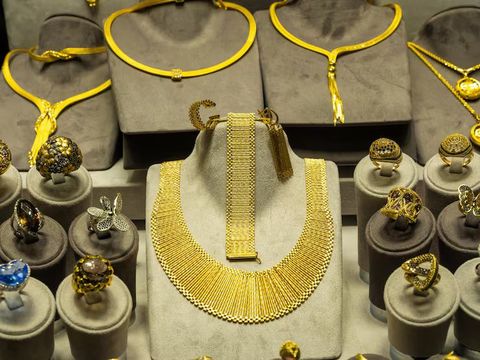
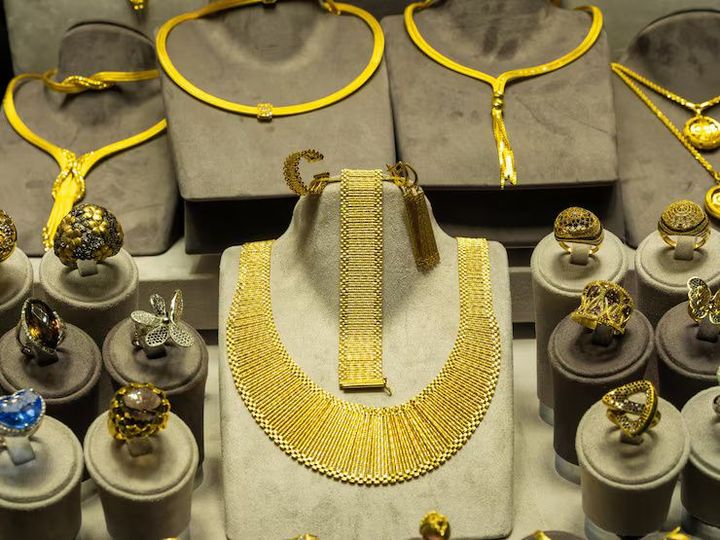
Engagement rings, family heirlooms, luxury watches, necklaces, and gemstone collections may carry personal memories while also being valuable assets. Because these items can be exposed to unexpected events such as loss, theft, or accidental damage, many people explore Jewelry Insurance Plans to help protect their investments.
Understanding how jewelry insurance works can make it easier to compare coverage options and prepare for unexpected situations. This guide explains the basics of jewelry insurance, common coverage features, the claims process, important considerations, and current industry trends.
What Are Jewelry Insurance Plans?
Jewelry Insurance Plans are insurance policies designed to provide financial protection for valuable jewelry against covered risks. Depending on the policy, protection may include accidental damage, theft, loss, fire, or certain natural events.
Coverage can apply to individual items such as engagement rings, bracelets, earrings, luxury watches, or complete jewelry collections. Policy details vary, making it important to understand the terms, coverage limits, exclusions, and documentation requirements before selecting a plan.
Why Jewelry Insurance Is Important
Jewelry is frequently worn, transported, and stored in different locations, increasing the possibility of unexpected incidents. Replacing valuable pieces may be challenging because of changing market values, craftsmanship, or rare gemstones.
Jewelry Insurance Plans help reduce financial uncertainty by providing protection for covered situations. They also encourage owners to maintain proper records, including photographs, purchase documents, and professional valuations, making future claims easier to manage.
For collectors, insurance can also support long-term asset protection by covering multiple valuable pieces under a structured policy.
How Jewelry Insurance Works
The insurance process generally follows several important steps.
Item Evaluation
The jewelry is identified and documented using purchase records, professional appraisals, photographs, or gemstone certificates.
Policy Selection
The policy outlines covered events, coverage limits, deductibles, exclusions, and claim conditions based on the insured items.
Policy Maintenance
Owners should periodically review their coverage, especially when jewelry values change or additional pieces are added to a collection.
Claims Process
If a covered event occurs, the policyholder submits the required documentation. The insurance company reviews the information before determining how the claim will be settled according to the policy terms.
What Jewelry Can Be Covered?
Many Jewelry Insurance Plans are designed to protect different categories of valuable items.
Common examples include:
- Engagement rings
- Wedding bands
- Diamond jewelry
- Gold jewelry
- Platinum jewelry
- Luxury watches
- Gemstone necklaces
- Bracelets
- Earrings
- Antique jewelry
- Family heirlooms
- Designer jewelry collections
Coverage depends on the individual policy and the information provided during the application process.
Factors to Consider Before Choosing a Plan
Selecting the right policy involves more than comparing coverage amounts. Understanding policy details helps ensure the protection matches your needs.
Important factors include:
- Coverage limits
- Deductible amount
- Covered risks
- Policy exclusions
- Claim process
- Item valuation requirements
- Worldwide coverage availability
- Renewal terms
Reviewing these features carefully provides a clearer understanding of how the policy may respond if a covered event occurs.
Benefits of Jewelry Insurance Plans
One of the primary advantages of Jewelry Insurance Plans is financial protection against covered losses or damage. Instead of bearing the full replacement expense, policyholders may receive compensation according to their policy conditions.
Another important benefit is peace of mind. Owners can wear or store valuable jewelry with greater confidence, knowing protection is available for qualifying events.
Many policies also provide flexibility by covering newly acquired items after notification, allowing collections to remain protected as they grow. In addition, documented valuations and regular policy reviews help keep coverage aligned with current market values.
Challenges and Important Considerations
While jewelry insurance provides valuable protection, policyholders should understand the limitations of their coverage.
Not every event is automatically covered, and policies often contain exclusions, deductibles, or documentation requirements. Market values may also change over time, making periodic appraisals important for maintaining appropriate coverage.
Keeping purchase records, appraisal certificates, photographs, and maintenance documentation organized can simplify future policy updates and claims.
Future Trends
Technology continues to improve the jewelry insurance industry. Digital policy management, online valuation records, and secure document storage make it easier for policyholders to maintain accurate information.
Artificial intelligence is supporting faster document review, while digital imaging and blockchain technology are being explored to improve ownership verification and asset tracking. These innovations may continue improving efficiency and transparency throughout the insurance process.
Frequently Asked Questions
What do Jewelry Insurance Plans cover?
Coverage typically includes specified risks such as theft, accidental damage, loss, fire, and other events defined in the policy. Coverage details vary between insurance providers.
Is an appraisal important?
Yes. A professional appraisal helps establish the item's value and provides documentation that may be required for policy issuance or future claims.
Can multiple jewelry items be included?
Many policies allow multiple pieces to be insured under one plan, provided each item is properly documented and meets the insurer's requirements.
How often should jewelry values be reviewed?
Periodic reviews help ensure insured values reflect current market conditions, particularly for diamonds, gemstones, precious metals, and collectible jewelry.
What documents are commonly required?
Insurance providers commonly request purchase records, appraisal reports, photographs, gemstone certificates, or other documents that verify ownership and value.
Conclusion
Jewelry Insurance Plans provide an organized way to protect valuable jewelry against covered risks while supporting long-term financial security. By understanding coverage options, valuation requirements, policy conditions, and claim procedures, jewelry owners can make informed decisions that suit their collections.
As digital technology continues improving insurance processes, policy management and documentation are becoming more efficient, making jewelry protection easier to maintain for both individual owners and collectors.