Internet of Things Development Explained With Applications Connectivity and Automation Benefits
Internet of Things development, commonly known as IoT development, refers to the creation of connected systems and smart devices that communicate through digital networks to exchange information, automate processes, and improve operational efficiency. IoT environments typically include sensors, cloud platforms, automation software, and connected hardware designed to collect and process information in real time. Businesses often work with an iot application development company or an iot app development company to build systems that improve workflow visibility and device coordination across industrial, commercial, and consumer environments.
Globally, IoT software development continues expanding as industries increasingly adopt connected technologies to improve productivity, automation, and infrastructure management. According to global technology research, organizations are investing heavily in internet of things app development to support smart operations, connected devices, and data-driven decision-making. Businesses are also prioritizing cloud based server backup systems to improve data security, operational continuity, and remote infrastructure accessibility. This reflects the broader shift toward automation-focused digital transformation across modern industries.
In practical applications, internet of things app development supports smart manufacturing systems, connected healthcare devices, automated logistics platforms, smart homes, transportation monitoring, and energy management systems. An iot application development company may help businesses design custom connectivity platforms and automation workflows suited to specific operational goals. Understanding how IoT systems function and support automation highlights their growing importance in modern digital infrastructure and connected technology environments.
Who It Affects & Problems It Solves
IoT software development affects a wide global audience, including manufacturers, healthcare organizations, logistics providers, smart city planners, agricultural operations, retailers, and residential technology users. Businesses often collaborate with an iot app development company to improve automation, device management, and operational monitoring across distributed environments.
Without connected infrastructure systems, organizations may experience delayed monitoring, inefficient workflow coordination, inconsistent data collection, and limited operational visibility. Manual monitoring methods may also reduce productivity and increase operational complexity. IoT software development helps solve these challenges by supporting real-time communication, centralized monitoring, and automated process management.
A common scenario involves organizations managing multiple operational systems separately without synchronized data visibility. Over time, this may create workflow inefficiencies and slower decision-making processes. Internet of things app development improves operational coordination by connecting devices and centralizing infrastructure monitoring within unified systems. Many businesses also integrate cloud based server backup solutions to protect operational data and support secure information management. These operational advantages naturally lead into recent developments shaping IoT infrastructure and automation technologies.
Recent Updates
Over the past year, IoT software development has advanced significantly through increased automation and artificial intelligence integration. Businesses are increasingly using predictive analytics and machine learning systems to improve operational monitoring and automate decision-making processes within connected environments.
Another important trend is the growing emphasis on cloud infrastructure and remote accessibility. Industry data suggests that organizations are prioritizing cloud based server backup technologies to improve infrastructure reliability, remote device management, and operational continuity across distributed networks.
Edge computing and low-latency communication systems have also become more advanced. Many iot application development company environments now focus on processing information closer to connected devices to improve response speed and reduce network congestion.
Additionally, cybersecurity and connected device management continue receiving greater attention. Businesses using internet of things app development systems are increasingly focusing on secure communication protocols, encrypted device connectivity, and centralized infrastructure monitoring. These developments provide useful context for comparing common IoT applications and automation strategies.
Comparison Table
The table below compares common IoT development applications based on operational functionality and automation benefits.
| IoT Application Area | Main Purpose | Connectivity Benefit | Automation Level | Operational Advantage |
|---|---|---|---|---|
| Smart Manufacturing | Equipment monitoring | Real-time production visibility | High | Improved efficiency |
| Smart Homes | Connected residential systems | Centralized device control | Moderate to high | Better convenience |
| Healthcare Monitoring | Connected wellness devices | Continuous health tracking | High | Faster information access |
| Logistics Tracking | Transportation visibility | Real-time shipment updates | High | Improved coordination |
| Agricultural Automation | Smart farming systems | Environmental monitoring | Moderate | Better resource management |
| Retail Analytics | Customer and inventory tracking | Operational visibility | Moderate | Improved planning |
| Energy Management | Utility monitoring | Consumption tracking | High | Reduced operational waste |
| Industrial Automation | Connected infrastructure systems | Centralized process control | Very high | Improved productivity |
| Cloud Infrastructure | Remote system accessibility | Cloud based server backup integration | High | Better data security |
| Smart City Systems | Infrastructure coordination | Connected public systems | High | Improved operational management |
The comparison shows that IoT software development supports different operational goals, from industrial automation and logistics monitoring to smart homes and cloud infrastructure management. Businesses often work with an iot app development company to develop systems suited to specific automation requirements and operational environments. Understanding these distinctions naturally leads into practical guidance and infrastructure considerations.
Regulations & Practical Guidance
In many countries, organizations using connected infrastructure systems are encouraged to follow cybersecurity, operational transparency, and data protection practices. These standards generally focus on secure device communication, responsible data management, and reliable infrastructure monitoring within IoT environments.
Globally, businesses are increasingly adopting cloud based server backup systems and secure connectivity platforms to improve operational continuity and infrastructure resilience. Organizations investing in internet of things app development often prioritize scalable architecture, encrypted communication systems, and centralized monitoring workflows.
Another important consideration is device compatibility and infrastructure scalability. IoT systems may involve large numbers of connected devices operating across different environments, making integration planning and operational flexibility important parts of long-term infrastructure management.
Which Option Suits Your Situation?
For manufacturing and industrial operations seeking automation and workflow visibility, an iot application development company may help design connected infrastructure systems that improve monitoring and process coordination.
For businesses focused on cloud connectivity and secure infrastructure management, cloud based server backup systems and centralized IoT software development platforms may support stronger operational reliability and remote accessibility.
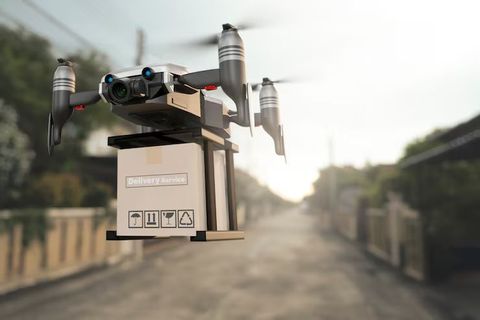
For organizations managing logistics or transportation workflows, internet of things app development may improve real-time tracking, operational visibility, and automated reporting capabilities.
For companies seeking scalable smart technology infrastructure, working with an experienced iot app development company may support customized automation systems and long-term operational flexibility. Choosing the right approach depends on infrastructure complexity, operational goals, and connectivity requirements. These considerations naturally lead into useful tools and resources.
Tools & Resources
Several tools and resources can help organizations better understand and manage IoT infrastructure effectively.
IoT Software Development Platforms — support device connectivity and automation workflow management.
Cloud Based Server Backup Systems — improve data protection and operational continuity.
Device Monitoring Dashboards — provide real-time infrastructure visibility and analytics tracking.
Automation Control Platforms — assist with workflow coordination and connected device management.
Cybersecurity Management Tools — support secure communication and infrastructure monitoring.
Technology Learning Communities — enable professionals to exchange IoT development insights and operational strategies.
These resources support informed infrastructure planning and operational efficiency, leading naturally into frequently asked questions.
Frequently Asked Questions
What is IoT software development?
IoT software development involves creating connected systems and applications that allow devices to communicate, exchange information, and automate operational processes.
Why do businesses work with an iot application development company?
Businesses often work with an iot application development company to build customized connected systems that improve automation, monitoring, and operational efficiency.
What is internet of things app development?
Internet of things app development focuses on creating software applications that manage connected devices, monitor infrastructure, and support automation workflows.
Why is cloud based server backup important in IoT environments?
Cloud based server backup systems help improve data security, operational continuity, and remote infrastructure accessibility within connected technology environments.
What is a common misconception about IoT systems?
A common misconception is that IoT technology only applies to smart homes. In reality, IoT software development supports industries such as healthcare, logistics, manufacturing, agriculture, and infrastructure management.
Conclusion
IoT software development plays an important role in supporting automation, connectivity, and operational visibility across modern digital environments. Its ability to connect devices, automate workflows, and improve infrastructure coordination makes it valuable for businesses and organizations managing complex operations.
For most organizations, successful internet of things app development involves balancing connectivity, cybersecurity, scalability, and operational flexibility. Many businesses collaborate with an iot application development company or iot app development company while integrating cloud based server backup systems to improve infrastructure reliability and long-term performance.
As global automation and connected technology adoption continue expanding, IoT software development is expected to become more intelligent, integrated, and cloud-focused within modern operational infrastructure and digital transformation strategies.