Interior Design Trends for Modern Homes in Mexico: Explore Guide, Tips, Insights, Ideas, and Helpful Resources
Interior design trends reflect how people adapt their living spaces to changing lifestyles, technologies, environmental concerns, and cultural preferences. In Mexico, modern home design combines contemporary aesthetics with traditional influences, creating spaces that are both functional and visually appealing.
The concept of modern interior design exists to improve comfort, efficiency, and usability within residential environments. As cities continue to grow and housing needs evolve, homeowners increasingly seek practical layouts, sustainable materials, and technology-enhanced living spaces.
Mexican interior design has historically drawn inspiration from local craftsmanship, natural materials, vibrant colors, and regional architecture. Today's modern homes often balance these traditional elements with minimalist layouts, energy-efficient features, and smart home solutions.
The result is a design approach that respects cultural heritage while embracing innovation and contemporary living standards.
Why Modern Interior Design Matters Today
Interior design affects more than appearance. It influences daily comfort, energy consumption, productivity, and overall quality of life.
Several groups are impacted by modern home design trends:
- Homeowners planning renovations
- Architects and residential designers
- Property developers
- Urban planners
- Families seeking functional living environments
- Sustainability-focused households
Modern design addresses several common challenges:
| Challenge | Design Solution |
|---|---|
| Limited space | Open floor plans and multifunctional furniture |
| High energy use | Energy-efficient lighting and insulation |
| Indoor comfort issues | Improved ventilation and natural lighting |
| Changing lifestyles | Flexible room configurations |
| Environmental concerns | Sustainable materials and eco-conscious designs |
Many modern Mexican homes now prioritize natural airflow, daylight optimization, and efficient use of available square footage. These features can contribute to more comfortable and adaptable living environments.
Recent Interior Design Trends and Updates
Over the past year, several noteworthy trends have influenced residential design across Mexico.
Sustainable Materials Continue Growing
During 2025 and early 2026, sustainable interior design remained one of the most discussed topics in residential architecture. Homeowners increasingly explored:
- Reclaimed wood
- Recycled materials
- Natural stone finishes
- Low-emission paints
- Bamboo and renewable materials
Environmental awareness and energy-efficiency initiatives have encouraged greater interest in eco-friendly construction and interior decoration.
Smart Home Integration Expands
Smart home technology has become more common in modern residences. Popular additions include:
- Smart lighting systems
- Automated climate controls
- Intelligent security monitoring
- Voice-controlled devices
- Energy management platforms
These technologies help homeowners monitor and manage household functions more efficiently.
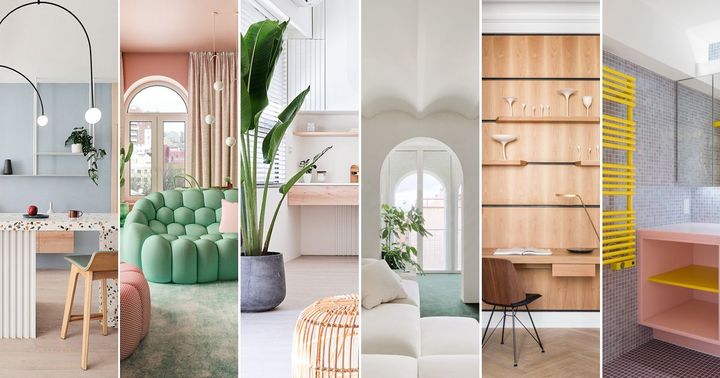
Neutral Color Palettes with Local Accents
Design professionals have increasingly favored neutral base colors such as:
- Beige
- Soft gray
- Warm white
- Earth tones
These are often complemented by locally inspired accents including handcrafted textiles, ceramic pieces, and regional decorative elements.
Indoor-Outdoor Living Spaces
One notable trend throughout 2025 has been the stronger connection between indoor and outdoor environments.
Common examples include:
- Larger sliding glass doors
- Courtyard-inspired layouts
- Outdoor seating areas
- Covered terraces
- Integrated landscaping
This approach aligns well with Mexico's diverse climate conditions and longstanding architectural traditions.
Popular Design Elements Overview
| Trend | Growing Popularity |
| Sustainable Materials | Very High |
| Smart Home Systems | High |
| Multifunctional Spaces | High |
| Indoor-Outdoor Design | Very High |
| Natural Lighting | High |
| Minimalist Interiors | Moderate |
| Local Artisan Decor | High |
Regulatory and Policy Considerations
Interior design and residential construction are influenced by various regulations and public policies.
While rules vary by municipality and state, several categories commonly affect modern home projects.
Building Codes
Construction and renovation projects typically must comply with local building standards related to:
- Structural safety
- Electrical systems
- Plumbing requirements
- Fire protection measures
- Accessibility considerations
Building codes help ensure residential environments meet established safety standards.
Energy Efficiency Programs
Government initiatives increasingly encourage sustainable construction practices.
Areas often emphasized include:
- Efficient lighting systems
- Water conservation technologies
- Renewable energy integration
- Thermal insulation improvements
These initiatives support broader environmental objectives and resource management goals.
Historic Preservation Requirements
In designated historic districts, renovation projects may face additional guidelines regarding:
- Exterior modifications
- Architectural preservation
- Material selection
- Heritage protection measures
These policies help preserve culturally significant buildings and neighborhoods.
Environmental Regulations
Environmental regulations can influence residential development through requirements involving:
- Waste management
- Resource conservation
- Land use planning
- Environmental impact assessments
Such frameworks encourage more sustainable building practices and responsible development.
Helpful Tools and Resources
A variety of digital tools and informational resources can support homeowners and design professionals.
Interior Design Software
Popular design platforms include:
- Floor planning applications
- 3D room visualization tools
- Architectural drafting software
- Space planning platforms
These tools help users visualize layouts before implementing changes.
Energy Efficiency Calculators
Useful calculators may assist with:
- Lighting efficiency analysis
- Insulation planning
- Energy consumption estimates
- Renewable energy assessments
Such resources can support informed decision-making during renovation projects.
Smart Home Planning Resources
Homeowners exploring technology integration may benefit from:
- Device compatibility guides
- Smart home planning checklists
- Network infrastructure resources
- Automation planning templates
Sustainable Design References
Helpful resources often include:
- Green building guidelines
- Sustainable material databases
- Energy efficiency handbooks
- Environmental certification frameworks
Project Planning Templates
Common planning documents include:
- Renovation schedules
- Budget tracking worksheets
- Material comparison tables
- Room measurement templates
Design Trend Visualization
The following chart illustrates the relative interest in major modern design priorities.
| Design Priority | Interest Level |
| Sustainability | ██████████ |
| Smart Technology | ████████ |
| Natural Lighting | █████████ |
| Flexible Spaces | ████████ |
| Local Craftsmanship | ███████ |
| Minimalism | ██████ |
This visualization reflects broad design preferences observed across contemporary residential projects.
Frequently Asked Questions
What defines modern interior design in Mexico?
Modern interior design in Mexico combines contemporary layouts, efficient space utilization, sustainable materials, and smart technologies while often incorporating local architectural influences, traditional craftsmanship, and natural materials.
Why are sustainable materials becoming more popular?
Growing environmental awareness, energy-efficiency goals, and interest in responsible resource management have encouraged the use of reclaimed wood, recycled materials, natural finishes, and environmentally conscious construction practices.
How does smart home technology affect interior design?
Smart technology influences room planning, lighting design, climate control systems, security integration, and energy management. Designers increasingly consider technology infrastructure during the planning stage.
Are open floor plans still popular?
Yes. Open layouts remain common because they improve flexibility, increase natural light distribution, and create a stronger sense of spaciousness, particularly in urban residential environments.
What role does natural lighting play in modern homes?
Natural lighting contributes to visual comfort, reduces reliance on artificial illumination, and supports energy-efficiency objectives. Many contemporary designs prioritize larger windows and improved daylight access.
Conclusion
Interior design trends for modern homes in Mexico continue to evolve through a combination of sustainability, technological innovation, functional planning, and cultural influences. Homeowners increasingly seek living spaces that are adaptable, energy-conscious, and comfortable while maintaining connections to local traditions and architectural heritage.
Recent developments have highlighted growing interest in sustainable materials, smart home technology, indoor-outdoor living concepts, and efficient space utilization. At the same time, building regulations, energy-efficiency initiatives, and environmental policies play an important role in shaping residential design decisions.
By understanding current trends, available planning tools, and relevant regulatory considerations, individuals can make informed decisions when exploring modern home design concepts. As residential needs continue to change, interior design will remain an important factor in creating practical, comfortable, and future-ready living environments.