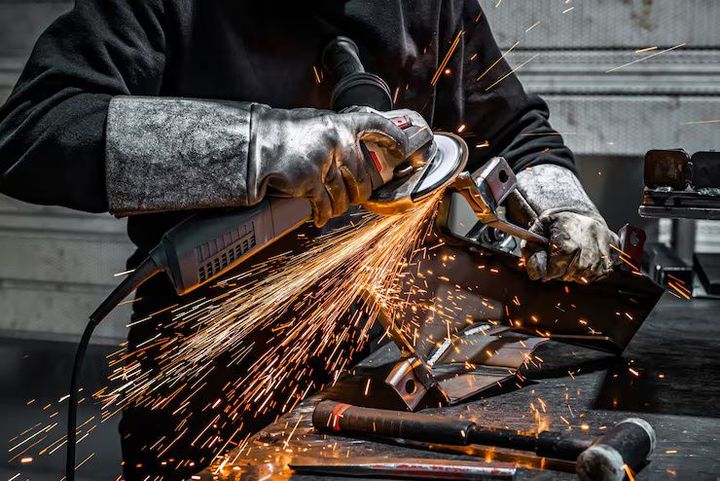
Industrial Welding Equipment: Technology and Safety Guide
Industrial welding equipment includes machines and supporting tools used to join metals in manufacturing, construction, energy, automotive, and infrastructure applications. Modern systems focus on precision, automation, safety, efficiency, and consistent weld quality.
Industrial welding equipment refers to machines, power sources, torches, electrodes, wire-feeding systems, positioners, safety equipment, and monitoring tools used to permanently join metal components. Welding exists because many industrial structures and products require strong, durable connections that can withstand heat, pressure, vibration, and regular use.
Common welding methods include arc welding, gas metal arc welding, gas tungsten arc welding, resistance welding, laser welding, and automated robotic welding. The suitable method depends on factors such as metal type, material thickness, production requirements, and required weld quality.
Modern industrial welding technology increasingly combines digital controls, automated systems, and real-time monitoring to improve consistency and reduce unnecessary material waste.
Common Industrial Welding Equipment
| Equipment Type | Main Purpose |
|---|---|
| Welding power source | Provides controlled electrical energy |
| Welding torch | Directs heat and welding material |
| Wire feeder | Supplies welding wire continuously |
| Welding positioner | Supports controlled component movement |
| Fume extraction equipment | Helps manage welding fumes |
| Welding monitoring system | Tracks selected welding parameters |
Importance
Industrial welding equipment supports sectors such as manufacturing, transportation, construction, shipbuilding, energy infrastructure, and heavy machinery. Reliable welding is important because weak or inconsistent joints can affect product durability, structural performance, and workplace safety.
Modern equipment helps address several challenges:
- Maintaining consistent weld quality
- Supporting repeatable manufacturing processes
- Improving precision on complex components
- Reducing unnecessary rework and material waste
- Supporting safer working environments
- Enabling automation for repetitive production tasks
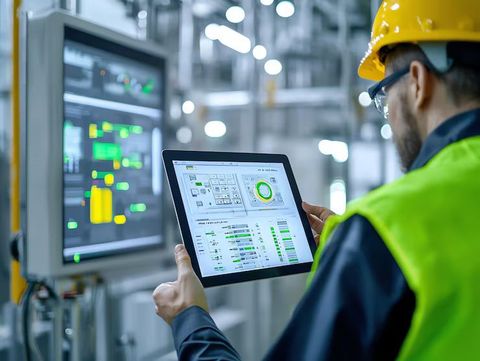
Advanced welding systems can also record parameters such as voltage, current, travel speed, and temperature. This information supports quality control and helps identify process variations.
Where It Matters Most
Industrial welding technology has a broad impact on large-scale infrastructure and manufactured products. Automated welding equipment is especially relevant where identical components require consistent joining.
| Industry Area | Typical Equipment Use |
| Automotive manufacturing | Robotic and resistance welding |
| Construction | Structural metal joining |
| Heavy machinery | High-strength component welding |
| Energy infrastructure | Pipes, frames, and metal assemblies |
| Shipbuilding | Large-scale structural welding |
Recent Updates
Over the past year, industrial welding has continued moving toward automation, digital connectivity, and improved process monitoring. During 2025 and into 2026, manufacturers increasingly focused on robotic welding cells, sensor-based quality monitoring, and systems that capture production data.
Artificial intelligence and machine vision are also becoming more visible in advanced welding environments. These technologies can help identify weld variations and support more consistent process control. Another important trend is the development of lower-emission welding environments through improved fume management and energy-efficient equipment.
The wider growth of smart manufacturing and Industry 4.0 continues to influence industrial welding equipment. Connected machines can provide production data that helps operators understand equipment performance and maintenance requirements.
Laws or Policies
Industrial welding is affected by workplace safety, electrical safety, environmental, and occupational health rules. Requirements vary by country, industry, and workplace.
In India, industrial workplaces may be affected by occupational safety requirements, environmental rules, and standards relating to electrical equipment and worker protection. Welding operations generally require appropriate safety procedures for electrical hazards, fire prevention, ventilation, protective equipment, and fume exposure.
International manufacturing environments may also follow recognized technical standards for welding procedures, weld quality, equipment performance, and operator qualifications. Businesses should review the regulations and standards applicable to their specific location and industrial activity.
Tools and Resources
Helpful resources for understanding industrial welding equipment include:
- Welding parameter calculators
- Heat input calculation tools
- Weld inspection checklists
- Welding procedure specification templates
- Equipment maintenance schedules
- Digital welding monitoring platforms
- Technical training materials
- Workplace safety guidance documents
These resources can help users understand welding variables, maintain equipment, and support consistent quality practices.
FAQs
What is industrial welding equipment?
It includes machines and supporting tools used to join metal components in industrial environments, from power sources and torches to automated welding cells and monitoring systems.
What types of welding are common in industry?
Common methods include arc welding, MIG-type welding, TIG-type welding, resistance welding, laser welding, and robotic welding.
Why is automation important in welding?
Automation can improve repeatability, support consistent production, and help manage complex or repetitive welding processes.
What safety equipment is important for welding?
Typical protection includes welding helmets, protective clothing, gloves, eye protection, ventilation systems, and appropriate fire-safety measures.
What is a welding monitoring system?
It is a digital or electronic system that tracks selected welding parameters and helps identify process variations during production.
Conclusion
Industrial welding equipment remains an essential part of modern manufacturing and infrastructure. From traditional welding machines to advanced robotic and digitally connected systems, the technology continues to evolve around precision, safety, automation, and process control.
As industries adopt smarter manufacturing methods, welding equipment is likely to become more connected and data-driven. Understanding the main equipment types, safety requirements, regulations, and technology trends can help general readers better understand how modern industrial welding supports reliable metal production and infrastructure.
Disclaimer
This article is provided for general educational and informational purposes only. Welding equipment, workplace safety requirements, and technical regulations vary by location and application. Readers should verify applicable standards, operating instructions, and local regulatory requirements before using industrial welding equipment.