Industrial Valve Industry Guide: Explore Smarter Flow Management, Valve Technologies, Automation Insights, System Efficiency Tips, and Industrial Control Knowledge
Industrial valves are essential mechanical components used to regulate, direct, or isolate the movement of liquids, gases, steam, and other materials throughout industrial systems. They help maintain safe operating conditions while improving process accuracy, equipment protection, and overall operational efficiency.
Understanding the Industrial Valve Industry
Today, industrial valves, pipeline valve systems, and industrial flow control solutions are found in manufacturing, power generation, chemical production, water treatment, food processing, pharmaceuticals, mining, marine industries, and energy infrastructure. Modern facilities increasingly combine mechanical valve technology with digital monitoring, sensors, and automated valve systems to improve operational visibility and process consistency.
Valve selection depends on operating pressure, temperature, media compatibility, flow rate, and automation requirements. Choosing the appropriate valve technology supports stable industrial operations while reducing unnecessary equipment stress.
Why Industrial Valve Technology Matters
Industrial systems rely on controlled movement of fluids to maintain productivity, quality, and operational safety. Even a small interruption in flow management may influence equipment performance or production schedules.
Modern industrial process automation depends heavily on intelligent valve control. Automated monitoring allows facilities to regulate pressure, temperature, and flow more accurately than traditional manual operation.
Industrial valves benefit many sectors, including:
- Oil and gas production
- Chemical manufacturing
- Water and wastewater treatment
- Food and beverage processing
- Pharmaceutical manufacturing
- HVAC infrastructure
- Marine engineering
- Mining operations
- Energy generation
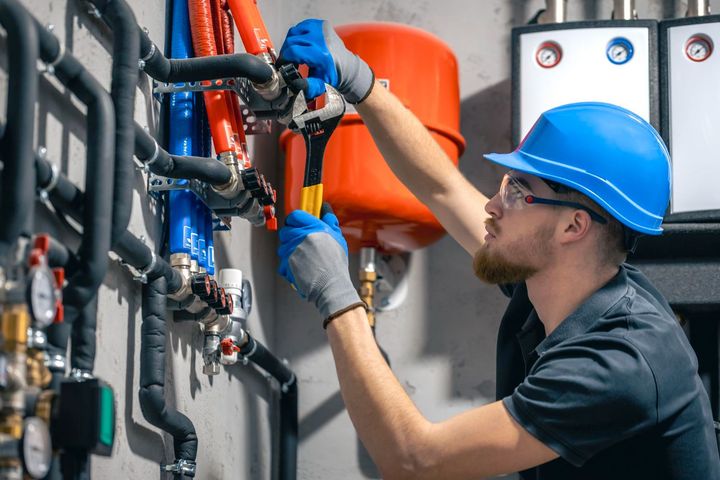
Effective industrial valve maintenance also helps identify wear before it affects production, improving equipment reliability and reducing unexpected downtime.
Common Types of Industrial Valves
Different industrial applications require different valve designs because each controls flow differently.
| Valve Type | Primary Purpose | Common Applications |
|---|---|---|
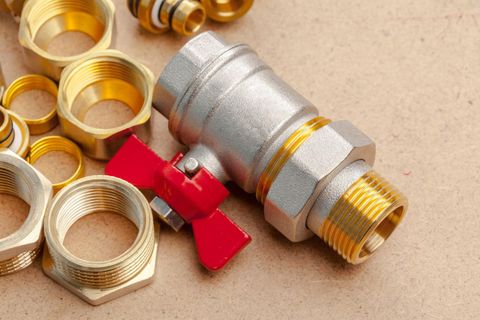
| Stainless Steel Ball Valve | Quarter-turn flow control | Water, chemicals, industrial processing |
| Stainless Steel Butterfly Valve | Large volume flow regulation | Water treatment, HVAC, manufacturing |
| Titan Wafer Check Valve | Prevents reverse flow | Pipeline protection and pumping systems |
| Stainless Steel Solenoid Valve | Electrically controlled automatic operation | Automated industrial systems |
| Stainless Steel Motorized Ball Valve | Remote-controlled flow regulation | Building automation and industrial automation |
| Gate Valve | Full open or full closed isolation | Oil pipelines and water systems |
| Globe Valve | Accurate flow regulation | Steam and process control |
| Needle Valve | Precision flow adjustment | Instrumentation systems |
| Pressure Relief Valve | Protects equipment from excessive pressure | Boilers and pressure vessels |
| Diaphragm Valve | Corrosion-resistant flow control | Chemical processing |
Other important flow-control equipment includes:
- Industrial steam traps that remove condensate while preserving steam efficiency.
- Industrial airlock equipment that regulates material movement between pressure zones in bulk handling systems.
- Specialized chemical process valves designed for corrosive fluids and aggressive operating environments.
- Oil and gas valves engineered for demanding pressure and temperature conditions.
- High pressure control valves used in critical industrial applications.
Benefits and Industrial Applications
Industrial valve technologies provide measurable operational advantages across multiple industries.
Improved Flow Management
Modern industrial flow control solutions maintain accurate movement of liquids and gases while supporting consistent industrial processes.
Enhanced Automation
Integration with automated valve systems allows facilities to monitor and control operations remotely using programmable controllers and digital sensors.
Equipment Protection
Pressure regulation and reverse-flow prevention reduce unnecessary mechanical stress on pumps, compressors, pipelines, and processing equipment.
Energy Efficiency
Properly selected valves minimize pressure losses and optimize fluid movement, contributing to efficient plant operation.
Reliable Process Control
Precision valve technologies help manufacturers maintain stable operating conditions for temperature, pressure, and flow.
Common application areas include:
- Petrochemical plants
- Oil refineries
- Natural gas infrastructure
- Chemical production
- Water distribution networks
- Power generation facilities
- Food processing plants
- Pharmaceutical production
- HVAC systems
- Marine engineering
- Pulp and paper manufacturing
- Mining operations
Leading Industrial Valve Providers
The industrial valve market includes many globally recognized manufacturers known for engineering, research, and broad industrial product portfolios.
| Company | Known For |
| Emerson | Industrial automation and advanced valve technologies |
| Flowserve | Industrial valves, pumps, and process equipment |
| KSB Group | Flow control systems and industrial pumping solutions |
| AVK Group | Water infrastructure and pipeline valve systems |
| KITZ Corporation | Stainless steel valves and industrial flow control products |
These organizations support industries ranging from water management and manufacturing to energy production and chemical processing through continued product development and engineering innovation.
Recent Industry Updates and Trends
Industrial valve technology continues to evolve alongside digital manufacturing and smart industrial infrastructure.
Recent developments observed during 2025–2026 include:
- Increased adoption of Industrial Internet of Things (IIoT) monitoring for valve diagnostics.
- Wider implementation of predictive maintenance supported by sensor-based analytics.
- Expansion of digital monitoring within industrial process automation environments.
- Growing use of corrosion-resistant stainless steel materials for demanding industrial conditions.
- Continued investment in hydrogen, carbon capture, renewable energy, and clean manufacturing infrastructure requiring specialized valve technologies.
- Greater emphasis on cybersecurity for digitally connected automation equipment.
- Improved actuator efficiency supporting intelligent automated valve systems.
- Increasing demand for environmentally responsible leakage monitoring and emission reduction technologies.
These trends demonstrate the industry's movement toward greater operational visibility, automation, sustainability, and equipment reliability.
Regulations and Industrial Standards
Industrial valve applications are influenced by engineering standards, environmental regulations, and workplace safety requirements. Requirements vary according to country and industry sector.
Examples include:
- ASME pressure equipment standards
- API standards for oil and gas valves
- ISO quality management standards
- IEC standards for industrial electrical equipment
- Environmental regulations governing industrial emissions
- Occupational workplace safety regulations
- Water quality regulations for municipal infrastructure
- Chemical handling regulations for hazardous materials
Organizations typically select valve materials and designs according to applicable engineering codes, pressure ratings, temperature classifications, and environmental requirements.
Helpful Tools and Learning Resources
Engineers, maintenance teams, and students often use specialized resources to understand valve performance and industrial flow systems.
Useful resources include:
- Valve sizing calculators
- Pressure drop calculators
- Flow rate calculators
- Pipe sizing reference charts
- Steam trap evaluation guides
- Engineering unit conversion tools
- CAD software for industrial system design
- PLC programming software for automation
- SCADA monitoring platforms
- Digital maintenance management systems
- Engineering standards documentation
- Industrial equipment manuals
- Process instrumentation references
- Fluid mechanics educational resources
These tools support engineering calculations, maintenance planning, equipment selection, and operational learning.
Frequently Asked Questions
What is an industrial valve?
An industrial valve is a mechanical device that starts, stops, regulates, or directs the movement of liquids, gases, steam, or other process materials within industrial systems.
Why are stainless steel valves widely used?
Stainless steel provides corrosion resistance, durability, and compatibility with many industrial fluids, making it suitable for diverse operating environments.
What is the purpose of a titan wafer check valve?
A titan wafer check valve prevents reverse flow within pipeline systems, helping protect pumps, compressors, and other equipment from backflow.
How do automated valve systems improve operations?
Automated valve systems use electric, pneumatic, or hydraulic actuators combined with control systems to regulate flow with greater precision while supporting remote monitoring and industrial automation.
What are industrial steam traps used for?
Industrial steam traps remove condensate and non-condensable gases from steam systems while retaining useful steam, improving system efficiency and protecting equipment.
Conclusion
Industrial valves remain fundamental components of modern industrial infrastructure. From stainless steel ball valve assemblies and stainless steel butterfly valve designs to chemical process valves, oil and gas valves, high pressure control valves, and advanced automated valve systems, these technologies support safe and efficient movement of industrial fluids across numerous sectors.
As digital monitoring, predictive maintenance, and industrial process automation continue to expand, valve technologies are becoming increasingly intelligent and data-driven. Understanding valve types, applications, maintenance practices, regulations, and emerging industry trends enables engineers, students, facility managers, and decision-makers to better appreciate the role of industrial flow management in modern manufacturing and infrastructure.
Informational Disclaimer: References to industrial equipment, engineering solutions, project values, pricing, implementation packages, or infrastructure investments may vary according to region, project specifications, technical requirements, material selection, operating conditions, regulatory compliance, and market factors. Any monetary figures or project estimates should be considered general informational examples rather than fixed values or commitments.