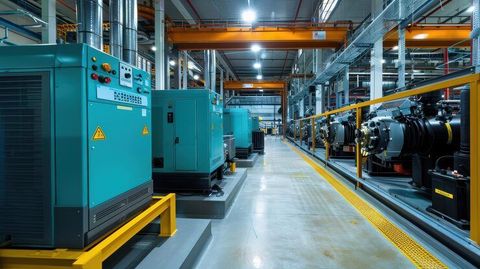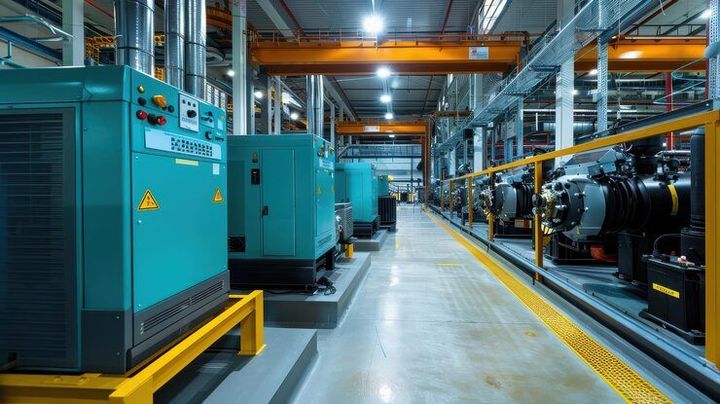
Industrial Generators: Overview of Technologies and Applications
Industrial generators are large-scale power generation systems designed to supply electricity for industrial facilities, infrastructure projects, manufacturing plants, data centers, healthcare facilities, and other critical operations. These systems convert mechanical energy into electrical energy and provide a dependable source of electricity during grid outages or in locations where utility power is unavailable.
As industries increasingly rely on continuous operations and digital infrastructure, industrial generators have become an essential component of energy resilience and operational continuity. They help prevent downtime, protect equipment, and support critical processes that require uninterrupted power.
How Industrial Generators Work
Industrial generators operate by converting mechanical energy into electrical energy through electromagnetic induction. An engine powers an alternator, which generates electricity that can be distributed to connected systems and equipment.
The process typically follows these steps:
- Fuel is supplied to the engine.
- The engine converts fuel energy into mechanical energy.
- The alternator transforms mechanical energy into electrical energy.
- Voltage regulators maintain stable output.
- Control systems monitor performance and safety.
- Power is delivered to connected electrical loads.
Depending on the application, generators may function as primary power sources or standby systems that activate automatically during power interruptions.
Main Components of Industrial Generators
Engine
- Provides mechanical power to drive the alternator.
- Common fuel options include diesel, natural gas, biodiesel, and propane.
- Engine size influences power output and efficiency.
Alternator
- Converts mechanical energy into electrical energy.
- Produces alternating current (AC) electricity.
- Determines voltage and frequency characteristics.
Fuel System
- Stores and delivers fuel to the engine.
- Includes tanks, pumps, filters, and fuel lines.
- Supports continuous operation during extended use.
Voltage Regulator
- Maintains stable electrical output.
- Prevents fluctuations that may damage equipment.
Cooling System
- Controls engine temperature.
- Uses air or liquid cooling methods.
- Supports reliable operation under heavy loads.
Control Panel
- Provides monitoring and operational controls.
- Displays performance data and alerts.
- Enables automated startup and shutdown functions.
Exhaust System
- Directs combustion gases safely away from the generator.
- Helps meet environmental and safety requirements.
Types of Industrial Generators
| Generator Type | Primary Fuel | Common Applications | Key Characteristics |
|---|---|---|---|
| Diesel Generator | Diesel | Manufacturing, mining, hospitals | High reliability and power density |
| Natural Gas Generator | Natural Gas | Data centers, utilities | Lower emissions and continuous operation |
| Bi-Fuel Generator | Diesel and Gas | Industrial facilities | Improved fuel flexibility |
| Portable Industrial Generator | Various Fuels | Construction sites | Mobility and temporary power |
| Standby Generator | Multiple Fuel Types | Emergency backup systems | Automatic operation during outages |
| Prime Power Generator | Multiple Fuel Types | Remote operations | Continuous power generation |
Importance of Industrial Generators
Industrial generators play a critical role in modern infrastructure and economic activity. Many industries depend on stable electricity to maintain productivity, safety, and operational efficiency.
Key Benefits
- Supports business continuity during power disruptions.
- Protects sensitive equipment from unexpected shutdowns.
- Enhances operational reliability.
- Enables power supply in remote locations.
- Supports emergency preparedness strategies.
- Reduces production losses associated with downtime.
For sectors such as healthcare, telecommunications, transportation, and manufacturing, reliable backup power is often considered an operational necessity.
Real-World Applications
Industrial generators are used across numerous industries and environments.
Manufacturing Facilities
- Maintain production lines during grid failures.
- Support automation systems and industrial machinery.
- Protect inventory and production processes.
Data Centers
- Provide uninterrupted electricity for servers.
- Support cloud computing infrastructure.
- Prevent data loss and operational interruptions.
Healthcare Facilities
- Maintain critical medical equipment.
- Support emergency lighting and communication systems.
- Ensure continuity of patient care.
Construction Projects
- Power heavy equipment and tools.
- Support temporary site operations.
- Enable work in undeveloped locations.
Mining Operations
- Supply power in remote environments.
- Support extraction, processing, and safety systems.
Utilities and Infrastructure
- Strengthen grid resilience.
- Support emergency response and recovery efforts.
Challenges Industrial Generators Help Solve
Industrial operations face numerous power-related risks that can affect productivity and safety.
Common Problems Addressed
- Unexpected electrical outages.
- Voltage instability.
- Remote site power limitations.
- Critical infrastructure vulnerability.
- Production interruptions.
- Emergency response requirements.
Industrial generators provide practical solutions that help organizations maintain essential operations during these situations.
Generator Selection Considerations
Choosing an industrial generator involves evaluating operational requirements, environmental conditions, and energy demands.
Important Factors
- Power output requirements.
- Fuel availability.
- Runtime expectations.
- Environmental conditions.
- Emissions compliance.
- Maintenance requirements.
- Noise limitations.
- Scalability for future growth.
Organizations often perform load assessments to determine the appropriate generator capacity for their facilities.
Recent Developments and Industry Trends (2025–2026)
The industrial generator sector has experienced significant technological advancements during 2025 and early 2026.
Smart Monitoring Systems
- Expanded adoption of Internet of Things (IoT) connectivity.
- Real-time performance monitoring.
- Predictive maintenance capabilities.
- Remote diagnostics and alerts.
Hybrid Power Integration
- Increased integration with renewable energy systems.
- Combined operation with solar and battery storage technologies.
- Improved energy efficiency and operational flexibility.
Advanced Emissions Reduction
- New engine designs focused on cleaner combustion.
- Enhanced exhaust after-treatment technologies.
- Reduced particulate matter and nitrogen oxide emissions.
Artificial Intelligence Applications
- AI-driven maintenance scheduling.
- Automated fault detection.
- Improved fuel optimization strategies.
Grid Support Capabilities
- Modern generators increasingly support microgrid operations.
- Enhanced load balancing and demand management functions.
- Improved resilience for critical infrastructure.
Sustainable Fuel Development
- Growing interest in renewable diesel.
- Expanded use of biodiesel blends.
- Research into hydrogen-compatible power generation systems.
These developments reflect industry efforts to improve efficiency, reliability, sustainability, and regulatory compliance.
Regulations and Compliance Requirements
Industrial generators are subject to various environmental, safety, and operational regulations depending on location and application.
Environmental Regulations
- Emissions standards for engine exhaust.
- Air quality compliance requirements.
- Fuel storage and handling regulations.
Safety Standards
- Electrical safety requirements.
- Fire prevention measures.
- Occupational safety procedures.
- Emergency shutdown systems.
Operational Compliance
- Inspection and testing requirements.
- Noise control regulations.
- Maintenance documentation standards.
Organizations should regularly review applicable regional and national regulations to ensure continued compliance.
Maintenance Best Practices
Regular maintenance helps maximize generator reliability and operational lifespan.
Recommended Maintenance Activities
- Inspect fuel systems regularly.
- Test batteries and starting systems.
- Monitor coolant levels.
- Replace filters as required.
- Verify voltage and frequency output.
- Conduct periodic load testing.
- Review control panel diagnostics.
- Maintain detailed service records.
Preventive maintenance can significantly reduce the likelihood of unexpected failures.
Useful Tools and Learning Resources
Professionals seeking additional knowledge about industrial generators can benefit from various resources.
Common Tools
- Generator sizing calculators.
- Load analysis software.
- Remote monitoring platforms.
- Predictive maintenance systems.
- Power quality analyzers.
Learning Resources
- Engineering training programs.
- Industrial power management courses.
- Electrical safety certifications.
- Manufacturer technical documentation.
- Industry association publications.
- Energy management workshops.
These resources help operators, engineers, and facility managers improve their understanding of power generation systems.
FAQs
What is an industrial generator?
An industrial generator is a large-scale machine that converts mechanical energy into electrical energy to provide primary or backup power for industrial facilities, infrastructure, and critical operations.
Which fuel is commonly used in industrial generators?
Diesel remains one of the most widely used fuels due to its reliability and power density. Natural gas, biodiesel, propane, and hybrid fuel systems are also commonly used.
How long can an industrial generator operate continuously?
Runtime depends on generator design, fuel capacity, maintenance condition, and load demand. Many industrial generators are designed for extended continuous operation when properly maintained.
Why are industrial generators important for data centers?
Data centers require uninterrupted electricity to maintain servers, networking equipment, and digital infrastructure. Industrial generators help prevent downtime and protect critical data.
What are the latest trends in industrial generator technology?
Recent trends include smart monitoring, AI-based maintenance, hybrid energy integration, cleaner emissions technologies, microgrid compatibility, and sustainable fuel development.
Conclusion
Industrial generators remain a foundational component of modern power infrastructure. They provide reliable electricity for manufacturing facilities, healthcare institutions, data centers, construction projects, and other critical operations. By converting fuel into electrical energy, these systems help organizations maintain continuity during outages, support remote operations, and strengthen energy resilience.
Recent advancements in smart monitoring, hybrid energy integration, artificial intelligence, and emissions reduction technologies have transformed generator capabilities and improved operational efficiency. As industries continue to prioritize reliability, sustainability, and regulatory compliance, industrial generators will remain an important part of global energy strategies and infrastructure development.