Hydrogen Equipment Manufacturing Explained: Explore Guide, Tips, Insights, Facts, Knowledge, and Helpful Resources
Hydrogen equipment manufacturing refers to the design, development, and production of machinery, systems, and components used throughout the hydrogen value chain. These technologies support hydrogen generation, storage, transportation, distribution, monitoring, and utilization across various industries.
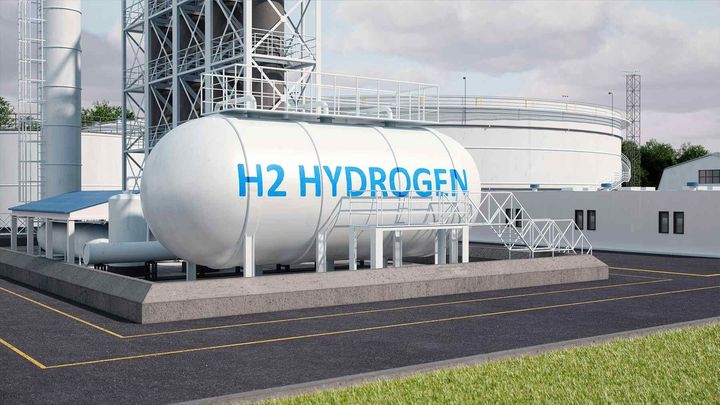
As hydrogen gains attention as a versatile energy carrier, manufacturers are developing advanced equipment to support emerging hydrogen ecosystems. Common products include electrolyzers, storage tanks, compressors, dispensers, fuel cell components, pressure control systems, sensors, valves, and industrial monitoring equipment.
The industry exists because hydrogen requires specialized handling. Unlike many conventional fuels, hydrogen has unique physical properties that demand dedicated infrastructure and precision-engineered equipment. Manufacturers therefore focus on creating reliable, efficient, and safe technologies that enable hydrogen applications in transportation, industrial processing, power generation, and energy storage.
Why Hydrogen Equipment Manufacturing Matters
Hydrogen equipment manufacturing plays an important role in supporting energy diversification and industrial innovation. As organizations explore alternative energy pathways, demand for hydrogen-related infrastructure continues to expand.
Several sectors are directly influenced by advancements in hydrogen equipment:
- Energy and utilities
- Transportation and mobility
- Chemical production
- Manufacturing industries
- Research institutions
- Infrastructure developers
- Environmental technology sectors
The industry helps address several challenges:
- Energy storage limitations
- Industrial decarbonization goals
- Grid balancing requirements
- Fuel diversification needs
- Long-duration energy storage challenges
- Clean transportation infrastructure development
Many industrial processes require high-temperature energy sources that can be difficult to electrify. Hydrogen technologies provide an additional pathway for organizations seeking alternatives for specific operational requirements.
The sector also contributes to technological innovation by encouraging improvements in materials science, automation systems, industrial controls, and engineering design practices.
Major Types of Hydrogen Manufacturing Equipment
The hydrogen value chain depends on several categories of specialized equipment.
| Equipment Category | Primary Function |
|---|---|
| Electrolyzers | Produce hydrogen from water |
| Compressors | Increase hydrogen pressure |
| Storage Systems | Store hydrogen safely |
| Fuel Cell Components | Convert hydrogen into electricity |
| Dispensers | Deliver hydrogen for end use |
| Valves and Regulators | Control pressure and flow |
| Sensors and Monitoring Devices | Detect leaks and monitor operations |
| Heat Management Systems | Maintain operating temperatures |
The interaction between these technologies creates an integrated hydrogen infrastructure capable of supporting industrial and energy applications.
Recent Updates and Industry Trends
Hydrogen equipment manufacturing has experienced notable developments throughout 2025 and early 2026.
Several countries announced expanded hydrogen infrastructure programs during 2025, focusing on production facilities, transportation networks, and industrial pilot projects. Increased investment in electrolyzer manufacturing capacity has been reported across multiple regions.
Key industry trends include:
- Larger-scale electrolyzer production facilities
- Improved efficiency in hydrogen compression technologies
- Greater use of digital monitoring systems
- Expansion of automated safety controls
- Development of advanced storage materials
- Increased integration with renewable energy systems
The following trend illustration shows general industry direction:
| Trend Area | Industry Direction |
| Electrolyzer Capacity | Increasing |
| Automation | Increasing |
| Digital Monitoring | Increasing |
| Hydrogen Storage Innovation | Increasing |
| Industrial Deployment | Increasing |
| Safety Technologies | Increasing |
| Equipment Efficiency | Improving |
Another notable development has been the growing use of artificial intelligence and predictive maintenance systems. Manufacturers are integrating data analytics platforms into equipment management systems to improve operational performance and equipment reliability.
Research organizations have also reported continued progress in fuel cell technology, materials engineering, and hydrogen storage solutions during the past year. These advancements may influence future manufacturing practices and equipment capabilities.
Regulations, Standards, and Government Policies
Hydrogen equipment manufacturing is strongly influenced by regulations, technical standards, and government programs.
Because hydrogen systems operate under specialized conditions, manufacturers must comply with engineering, safety, environmental, and quality requirements.
Common regulatory areas include:
- Equipment certification
- Pressure vessel standards
- Industrial safety requirements
- Environmental compliance
- Transportation regulations
- Facility inspection requirements
- Occupational safety standards
Several countries have introduced national hydrogen strategies that support research, infrastructure development, and technology deployment. These programs often encourage investment in hydrogen production, storage, and distribution technologies.
International standards organizations continue updating technical guidance for hydrogen-related equipment. Manufacturers frequently align product development with recognized standards to ensure compatibility, reliability, and safety.
Typical policy objectives include:
- Encouraging energy innovation
- Supporting industrial modernization
- Improving energy security
- Promoting low-emission technologies
- Enhancing infrastructure resilience
As regulations evolve, manufacturers must continually adapt product designs and manufacturing processes to remain compliant with changing requirements.
Technologies Driving Modern Hydrogen Equipment
Modern hydrogen manufacturing equipment increasingly incorporates advanced engineering technologies.
Important technological developments include:
- Industrial automation systems
- Digital twins
- Smart sensors
- Remote monitoring platforms
- Predictive maintenance software
- Advanced composite materials
- High-efficiency power electronics
- Industrial cybersecurity solutions
These technologies help operators improve visibility, operational performance, and equipment management.
A simplified technology relationship graph appears below:
| Technology | Impact on Equipment |
| Automation | Improved consistency |
| AI Analytics | Better monitoring |
| Sensors | Enhanced safety |
| Digital Twins | Process optimization |
| Composite Materials | Reduced weight |
| Cybersecurity Systems | Infrastructure protection |
As facilities become increasingly connected, manufacturers are also emphasizing industrial cybersecurity frameworks to protect operational technology environments.
Helpful Tools and Resources
Professionals, researchers, and organizations involved with hydrogen equipment often use specialized resources to support planning and analysis.
Useful categories include:
- Hydrogen production calculators
- Energy conversion calculators
- Pressure vessel design software
- Process simulation tools
- Industrial automation platforms
- Engineering design templates
- Safety assessment frameworks
- Asset management systems
- Predictive maintenance platforms
- Environmental impact assessment tools
Common resource types:
- Technical standards databases
- Engineering reference libraries
- Industry research publications
- Academic journals
- Regulatory guidance documents
- Training materials
- Safety manuals
- Infrastructure planning resources
Many organizations also utilize digital monitoring dashboards that collect operational data from compressors, storage systems, and electrolyzers for performance analysis.
Frequently Asked Questions
What is hydrogen equipment manufacturing?
Hydrogen equipment manufacturing involves producing machinery and components used to generate, store, transport, distribute, monitor, and utilize hydrogen safely and efficiently.
What equipment is commonly used in hydrogen systems?
Common equipment includes electrolyzers, compressors, storage tanks, fuel cell components, dispensers, valves, regulators, sensors, and monitoring systems.
Why are specialized hydrogen systems necessary?
Hydrogen possesses unique physical characteristics, including low density and specific storage requirements. Specialized equipment helps manage these characteristics safely and effectively.
Which industries use hydrogen equipment?
Hydrogen technologies are used in energy, transportation, manufacturing, chemical processing, research, infrastructure development, and industrial operations.
How is technology improving hydrogen equipment?
Advances in automation, artificial intelligence, digital monitoring, sensor technology, predictive maintenance, and materials engineering are helping improve performance, safety, and operational efficiency.
Key Insights About the Industry
Several factors continue shaping the future of hydrogen equipment manufacturing:
- Expanding infrastructure initiatives
- Growing research activity
- Advances in electrolyzer technologies
- Increased digitalization
- Enhanced safety engineering
- Development of smart manufacturing systems
- Continued standardization efforts
Industry experts generally view hydrogen equipment as a critical component of broader energy and industrial innovation efforts. The pace of development will likely continue to depend on technology advancements, infrastructure deployment, regulatory frameworks, and ongoing research initiatives.
Conclusion
Hydrogen equipment manufacturing represents a specialized and rapidly evolving area of industrial technology. By producing essential systems such as electrolyzers, compressors, storage solutions, monitoring devices, and fuel cell components, manufacturers support a growing range of hydrogen applications.
Recent developments in automation, digital monitoring, advanced materials, and industrial analytics are helping improve equipment performance and operational reliability. At the same time, regulations, standards, and government programs continue influencing how equipment is designed, manufactured, and deployed.
As hydrogen technologies mature, the manufacturing sector is expected to remain an important contributor to infrastructure development, industrial modernization, and future energy systems. Understanding the equipment, technologies, regulations, and resources associated with this field provides valuable insight into one of today's most closely watched industrial technology sectors.