Table of Contents

Hydraulic Power Systems vs Electro-Hydraulic Systems: Learn Facts, Insights, Suggestions, Overview, and Expert Knowledge

Hydraulic Power Systems vs Electro-Hydraulic Systems: Learn Facts, Insights, Suggestions, Overview, and Expert Knowledge

Hydraulic power systems and electro-hydraulic systems play a significant role in modern industrial machinery, construction equipment, manufacturing processes, transportation technologies, and automation applications. Both technologies are designed to transfer and control power efficiently, but they operate using different approaches and offer distinct advantages depending on the application.


As industries increasingly focus on precision control, energy efficiency, predictive maintenance, and automation, understanding the differences between hydraulic power systems and electro-hydraulic systems has become more important than ever. This guide explores their purpose, importance, recent developments, regulations, useful resources, and frequently asked questions.

Understanding Hydraulic Power Systems and Electro-Hydraulic Systems

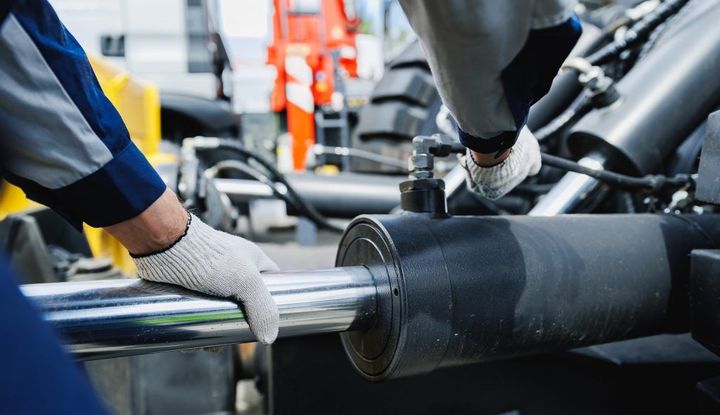
Hydraulic power systems use pressurized fluid to generate, transmit, and control mechanical power. These systems typically consist of pumps, valves, actuators, cylinders, reservoirs, and hydraulic fluid. The technology has been widely adopted because it can generate substantial force while maintaining reliable operation under demanding conditions.

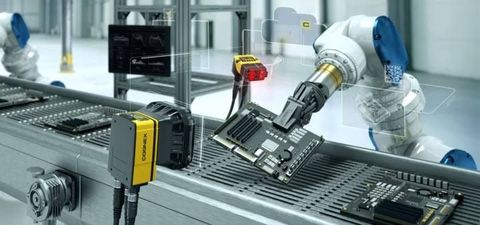
Electro-hydraulic systems combine traditional hydraulic components with electronic controls, sensors, and digital monitoring technologies. Instead of relying solely on mechanical or manual control mechanisms, electro-hydraulic systems use electronic signals to improve precision, responsiveness, and operational efficiency.

The evolution from conventional hydraulics to electro-hydraulic technology emerged from the growing need for intelligent control systems capable of supporting automation and advanced industrial processes.

Comparison of Hydraulic Power Systems and Electro-Hydraulic Systems

FeatureHydraulic Power SystemsElectro-Hydraulic Systems
Control MethodMechanical or manualElectronic and digital
PrecisionModerateHigh
MonitoringLimitedReal-time monitoring
Automation SupportBasicAdvanced
Maintenance InsightsManual inspectionsSensor-based diagnostics
Energy OptimizationModerateImproved efficiency
Industrial IntegrationTraditional systemsSmart manufacturing environments

Why Hydraulic and Electro-Hydraulic Systems Matter Today

Modern industries face increasing demands for productivity, safety, operational reliability, and environmental responsibility. Hydraulic and electro-hydraulic technologies help organizations achieve these goals by delivering controlled power where electric motors alone may not be sufficient.

Industries influenced by these technologies include:

  • Industrial automation
  • Manufacturing equipment
  • Construction machinery
  • Agricultural machinery
  • Aerospace engineering
  • Marine systems
  • Mining operations
  • Energy infrastructure

One major challenge addressed by hydraulic technologies is the ability to generate high force within relatively compact systems. Electro-hydraulic systems further solve challenges related to precision control, predictive maintenance, and data-driven decision-making.

Key Benefits Comparison

Operational AreaHydraulic SystemsElectro-Hydraulic Systems
High Force OutputExcellentExcellent
Precision Motion ControlGoodExcellent
Remote OperationLimitedAdvanced
Data CollectionMinimalExtensive
Smart Factory CompatibilityModerateHigh
Diagnostic CapabilityManualAutomated

Industry Impact and Operational Efficiency

The rise of industrial automation has increased the relevance of electro-hydraulic technologies. Manufacturing facilities are increasingly implementing intelligent systems that can monitor pressure levels, detect faults, and optimize performance automatically.

Hydraulic systems remain valuable because of their proven reliability in heavy-duty environments. Construction equipment, lifting systems, and industrial presses continue to depend on hydraulic technology due to its power density and durability.

Electro-hydraulic systems build upon these strengths while adding advanced capabilities such as:

  • Digital pressure control
  • Automated diagnostics
  • Remote system monitoring
  • Predictive maintenance analytics
  • Intelligent actuator management
  • Energy consumption optimization

Recent Updates and Industry Trends

During 2025 and early 2026, several trends influenced hydraulic and electro-hydraulic technologies across industrial sectors.

Increased Adoption of Smart Hydraulics

Manufacturers continued integrating Industrial Internet of Things (IIoT) technologies into hydraulic systems. Smart sensors now provide continuous data regarding pressure, temperature, fluid condition, and system performance.

Growth of Predictive Maintenance

Throughout 2025, predictive maintenance platforms became increasingly common in industrial facilities. These systems analyze operational data to identify potential failures before they occur, reducing downtime and improving equipment reliability.

Focus on Energy Efficiency

Many organizations introduced energy-efficient hydraulic solutions designed to reduce power consumption while maintaining performance. Variable-speed pump technologies and intelligent control systems gained wider adoption during 2025.

Expansion of Digital Twin Technology

Digital twin platforms gained traction in hydraulic engineering. These virtual representations allow engineers to simulate system behavior, evaluate performance, and optimize maintenance schedules before implementing physical changes.

Technology Trend Overview

TrendIndustry Impact
Smart SensorsImproved monitoring
Predictive MaintenanceReduced downtime
Digital HydraulicsEnhanced precision
IIoT IntegrationBetter data visibility
Digital TwinsAdvanced simulation
Energy OptimizationLower operational consumption

Laws, Regulations, and Industry Standards

Hydraulic and electro-hydraulic systems are affected by various safety, environmental, and engineering regulations across different countries.

Governments and regulatory agencies typically establish standards related to:

  • Equipment safety
  • Fluid containment
  • Environmental protection
  • Machinery performance
  • Workplace safety
  • Energy efficiency

Common regulatory frameworks often reference international standards developed by engineering organizations.

Relevant standards frequently include:

  • ISO hydraulic system standards
  • Machinery safety regulations
  • Industrial equipment directives
  • Occupational safety requirements
  • Environmental compliance standards

Organizations operating hydraulic equipment are generally expected to maintain proper inspection procedures, fluid management practices, and safety controls.

Electro-hydraulic systems may also be subject to additional requirements concerning:

  • Electronic control systems
  • Functional safety protocols
  • Electromagnetic compatibility
  • Digital monitoring equipment
  • Industrial automation standards

Compliance helps improve workplace safety while supporting reliable equipment performance.

Useful Tools and Resources

Professionals working with hydraulic and electro-hydraulic systems often rely on specialized tools, software platforms, and educational resources.

Engineering Software

  • Hydraulic circuit design software
  • Fluid power simulation platforms
  • Digital twin modeling tools
  • Industrial automation design applications

Monitoring Solutions

  • Pressure monitoring systems
  • Condition monitoring platforms
  • Vibration analysis software
  • Predictive maintenance dashboards

Calculation Resources

  • Hydraulic force calculators
  • Flow rate calculators
  • Pressure drop calculators
  • Power consumption estimators

Educational Resources

  • Engineering reference guides
  • Industrial automation training materials
  • Fluid power handbooks
  • Technical standards documentation

Diagnostic Technologies

  • Thermal imaging devices
  • Digital pressure analyzers
  • Fluid contamination testing tools
  • Sensor-based diagnostic platforms

Technology Adoption Snapshot


Traditional Hydraulics      ████████████████ 80%
Electro-Hydraulics ████████████ 60%
Smart Monitoring ██████████ 50%
Predictive Maintenance ████████ 40%
Digital Twin Integration ██████ 30%


Illustrative representation of increasing industrial adoption trends.

Frequently Asked Questions

What is the primary difference between hydraulic and electro-hydraulic systems?

Hydraulic systems primarily use fluid power and mechanical controls, while electro-hydraulic systems combine hydraulic power with electronic controls, sensors, and digital monitoring technologies for enhanced precision and automation.

Why are electro-hydraulic systems becoming more popular?

Industries increasingly require greater accuracy, automation, remote monitoring, and predictive maintenance capabilities. Electro-hydraulic systems help address these needs through intelligent control and real-time data analysis.

Are hydraulic systems still relevant in modern industries?

Yes. Hydraulic systems remain essential in applications requiring high force output, durability, and dependable operation under demanding conditions such as construction, mining, manufacturing, and heavy equipment operations.

How do smart sensors improve hydraulic systems?

Smart sensors continuously monitor operational conditions such as pressure, temperature, vibration, and fluid quality. This information helps identify potential issues before failures occur and supports predictive maintenance strategies.

What industries benefit most from electro-hydraulic technology?

Manufacturing, aerospace, marine engineering, industrial automation, renewable energy infrastructure, and advanced machinery sectors often benefit significantly from electro-hydraulic solutions due to their precision and control capabilities.

Conclusion

Hydraulic power systems and electro-hydraulic systems continue to play vital roles in modern industrial operations. Traditional hydraulic systems remain highly effective for generating substantial force and supporting demanding mechanical applications. Meanwhile, electro-hydraulic technologies are expanding rapidly as industries pursue greater automation, precision control, predictive maintenance, and operational intelligence.

Recent developments in smart sensors, IIoT connectivity, digital twins, and energy-efficient technologies are shaping the future of fluid power engineering. Understanding the strengths, limitations, and evolving trends of both systems helps organizations, engineers, and industry professionals make informed decisions regarding equipment performance, reliability, safety, and long-term operational efficiency.

As industrial technologies continue to evolve throughout 2026 and beyond, the integration of hydraulic power with digital intelligence is expected to remain a major focus within advanced engineering and automation environments.


author-image

Harshit Sharma

We are a performance-driven media buying team focused on scaling brands through smart, data-backed advertising strategies

June 03, 2026 . 8 min read