Jump to a Chapter

How to Buy Certified Diamond Jewellery Online Safely: Certification, Quality Factors, and Consumer Insights

How to Buy Certified Diamond Jewellery Online Safely: Certification, Quality Factors, and Consumer Insights

Diamond jewellery is among the most recognized categories within the global luxury goods and jewelry industry. With the growth of e-commerce and digital retail platforms, consumers increasingly encounter diamond products through online marketplaces, jewelry websites, and virtual shopping experiences.


As online jewelry transactions become more common, certification and documentation have gained importance in discussions about product transparency, consumer awareness, and industry standards.

This guide explores diamond certification concepts, quality terminology, online shopping considerations, and jewelry industry insights from an educational perspective without recommending any specific retailer, seller, or product.

Why Certification Matters

Certification is frequently discussed because diamonds possess characteristics that may not be easily evaluated through photographs or online listings alone.

Certification can contribute to discussions surrounding:

  • Product documentation
  • Quality reporting
  • Consumer awareness
  • Industry transparency
  • Independent assessment
  • Product identification
  • Recordkeeping
  • Verification practices

The scope and format of certifications may vary depending on the issuing organization and reporting standards.

What Is a Diamond Certificate?

A diamond certificate, sometimes referred to as a grading report, is a document prepared by a gemological laboratory that describes specific characteristics observed during examination.

A grading report may include information relating to:

  • Diamond measurements
  • Weight information
  • Color assessment
  • Clarity characteristics
  • Cut-related observations
  • Identification details

The exact information included depends on the laboratory and reporting methodology.

Understanding the 4Cs

One of the most widely discussed frameworks within gemology is the "4Cs."

These include:

FactorGeneral Description
CaratWeight measurement
CutProportions and craftsmanship characteristics
ColorDegree of color presence or absence
ClarityInternal and external characteristics

The 4Cs are commonly used within gemological education and diamond grading discussions.

Carat Weight

Carat is a unit used to describe diamond weight.

Important points include:

  • Carat measures weight, not size
  • Different diamonds of equal weight may appear different in dimensions
  • Weight is one factor among several quality characteristics

Carat information is typically included within grading documentation.

Diamond Cut Concepts

Cut is frequently discussed within jewelry craftsmanship and gemology.

Topics often include:

  • Proportions
  • Symmetry
  • Facet arrangement
  • Light interaction
  • Finishing quality

Cut terminology may vary according to grading systems and industry practices.

Color Characteristics

Color grading systems are commonly used to describe observable color characteristics within diamonds.

Discussions often involve:

  • Color presence
  • Grading scales
  • Visual appearance
  • Gemological classification systems

Color terminology differs among grading methodologies and gemstone categories.

Clarity Characteristics

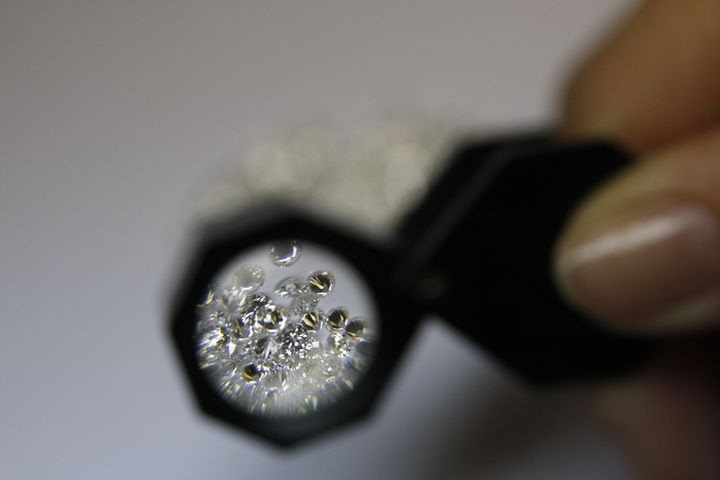
Clarity refers to naturally occurring internal or external characteristics observed during examination.

Common discussion areas include:

  • Internal features
  • Surface characteristics
  • Grading terminology
  • Observation methods

Clarity assessments are typically conducted using standardized gemological procedures.

Major Certification Organizations

Several organizations are frequently referenced within gemological education and jewelry industry discussions.

Examples include:

  • Gemological Institute of America
  • International Gemological Institute
  • American Gem Society
  • Gemological Science International

These organizations are mentioned solely as examples of entities involved in gemology, education, grading, and industry standards. Their inclusion does not constitute endorsements or recommendations.

Understanding Jewelry Documentation

Online jewelry listings may include various forms of documentation.

Examples often include:

  • Grading reports
  • Product specifications
  • Metal descriptions
  • Manufacturing information
  • Warranty details
  • Authenticity documentation

Documentation practices vary among sellers and jurisdictions.

Online Shopping Considerations

Consumer awareness discussions often highlight several considerations when reviewing online jewelry listings.

Examples include:

  • Product descriptions
  • Image quality
  • Documentation availability
  • Return policy information
  • Customer support details
  • Shipping information
  • Security practices
  • Transparency of disclosures

These considerations are commonly discussed within e-commerce and consumer protection resources.

Digital Technology and Jewelry Retail

Technology continues influencing jewelry commerce.

Examples include:

  • Virtual product visualization
  • High-resolution product imaging
  • Digital certification databases
  • Online verification tools
  • Secure payment technologies
  • Artificial intelligence-assisted customer support

These developments support modern e-commerce experiences.

Consumer Protection Concepts

Consumer protection frameworks often address topics such as:

  • Product disclosures
  • Advertising transparency
  • Transaction security
  • Return policies
  • Documentation accuracy
  • Consumer rights

Requirements vary according to jurisdiction and regulatory frameworks.

Examples of Jewelry Industry Participants

The jewelry industry includes retailers, manufacturers, designers, laboratories, and luxury goods companies.

Examples frequently referenced within industry discussions include:

These companies are mentioned solely as examples of participants within the jewelry industry. Their inclusion does not constitute endorsements, rankings, comparisons, reviews, recommendations, or purchasing guidance.

Jewelry Industry Trends (2025–2026)

Several developments continue shaping consumer interest in diamond jewelry.

Current trends include:

  • Digital certification systems
  • Enhanced supply-chain transparency
  • Online luxury retail growth
  • Virtual shopping experiences
  • Sustainability discussions
  • Traceability initiatives
  • Advanced gemstone imaging
  • Consumer education resources

These trends reflect broader developments within jewelry and luxury goods sectors.

Certification and Quality Overview

TopicGeneral Focus
CertificationIndependent documentation
CaratWeight measurement
CutCraftsmanship characteristics
ColorVisual color assessment
ClarityInternal and external characteristics
DocumentationProduct transparency

Frequently Asked Questions

What is a diamond certificate?

A diamond certificate or grading report is a document describing observed characteristics of a diamond according to a laboratory's methodology.

What are the 4Cs?

The 4Cs refer to carat, cut, color, and clarity—commonly discussed factors in diamond grading.

Why is certification discussed in online jewelry purchases?

Certification is often associated with transparency, documentation, and product information within jewelry transactions.

Do all diamonds have the same characteristics?

No. Diamonds may differ in weight, color, clarity, proportions, and other observable attributes.

Why are grading reports important?

Grading reports provide documented information about characteristics observed during gemological examination.

Conclusion

Diamond certification, quality terminology, and documentation standards remain important topics within jewelry education and consumer awareness. As online commerce continues expanding, understanding concepts such as grading reports, the 4Cs, product documentation, and certification systems can help consumers better understand the information commonly presented in jewelry listings.

With advancements in digital verification, transparency initiatives, and online retail technologies, certification and documentation continue to play a significant role in discussions surrounding modern diamond jewellery and e-commerce practices.

Disclaimer

This article is intended solely for informational and educational purposes. It does not provide financial, investment, appraisal, gemological, legal, tax, insurance, or professional advice. It does not promote, endorse, recommend, rank, compare, review, market, or encourage the purchase of any diamond, jewelry product, retailer, certification organization, or luxury brand. Company and organization names are included only as examples of participants within the jewelry and gemological industries. Consumers should conduct independent research and consult qualified professionals regarding specific jewelry purchases, certifications, valuations, or related matters.

author-image

Ravi Shankar Maurya

We create purposeful content that speaks, resonates, and drives action.

June 10, 2026 . 8 min read