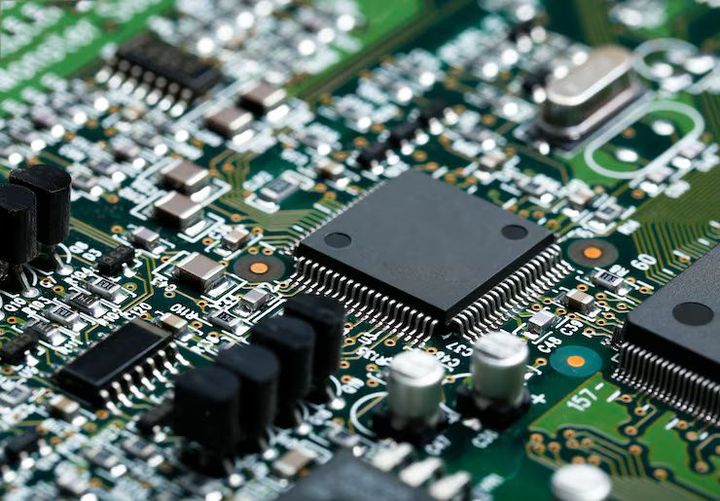
How Semiconductors Power Modern Technology and Digital Innovation Around the World
Semiconductors are materials and electronic components that control the flow of electrical current within digital devices and technological systems. They form the foundation of integrated circuits, processors, memory chips, and countless electronic components used in modern equipment. Semiconductor materials, such as silicon-based compounds, have electrical properties that allow them to function between conductors and insulators, making them essential for controlling and processing electronic signals.
Globally, semiconductors have become one of the most important technologies supporting digital transformation and industrial innovation. According to global technology research, industries are increasingly relying on semiconductor-powered systems to support computing, communication, automation, transportation, healthcare, and consumer electronics. This reflects the broader expansion of connected technologies and intelligent digital infrastructure across the world.
In practical applications, semiconductors are found in smartphones, computers, vehicles, industrial automation systems, medical devices, renewable energy technologies, and communication networks. Their ability to process data, store information, and support high-speed electronic operations makes them critical to modern life. Understanding how semiconductors function and support digital innovation highlights their growing importance in global technology development.
Who It Affects & Problems It Solves
Semiconductors affect a wide global audience, including technology manufacturers, software developers, industrial automation companies, healthcare providers, transportation industries, and consumers using digital devices every day. Businesses that depend on computing systems and electronic equipment rely on semiconductor components to maintain performance, efficiency, and connectivity. Engineers, researchers, and students also benefit from understanding semiconductor technologies and their applications.
Without semiconductor technologies, modern electronics and digital systems would not function efficiently. Industries may face challenges such as slower processing speeds, limited automation capabilities, reduced communication performance, and inefficient energy management. Semiconductors solve these problems by enabling compact, high-speed, and energy-efficient electronic operations within digital systems.
A common scenario involves modern communication devices processing large amounts of data in real time. Without advanced semiconductor chips, these systems would struggle to support high-speed connectivity and responsive digital services. Semiconductor technologies improve performance by enabling efficient signal processing, data management, and intelligent automation. These operational advantages naturally lead into recent developments shaping semiconductor technology and global innovation.
Recent Updates
Over the past year, semiconductor technology has advanced significantly through developments in artificial intelligence processing, energy-efficient chip design, and high-performance computing systems. Modern semiconductor manufacturers are increasingly focusing on smaller and more powerful chip architectures that improve processing speed while reducing energy consumption.
Another important trend is the expansion of semiconductor applications in electric vehicles, renewable energy systems, and industrial automation technologies. Industry data suggests that demand for advanced chips continues to grow as industries adopt connected and intelligent systems across multiple sectors.
Artificial intelligence and machine learning technologies are also influencing semiconductor design. Specialized processors optimized for AI workloads are becoming more common in computing systems, data centers, and smart devices. These systems help support faster data analysis and advanced automation capabilities.
Additionally, supply chain resilience and manufacturing efficiency have become important topics within the semiconductor industry. Manufacturers are investing in advanced production methods, automation systems, and research facilities to improve production stability and support increasing global demand. These developments provide useful context for comparing different semiconductor types and their technological functions.
Comparison Table
The table below compares common semiconductor categories based on operational functions and technology applications.
| Semiconductor Type | Main Function | Common Applications | Performance Focus | Industry Importance |
|---|---|---|---|---|
| Microprocessors | Data processing | Computers and devices | Speed and computing power | Very high |
| Memory Chips | Data storage | Smartphones and servers | Storage capacity | Very high |
| Power Semiconductors | Energy management | Electric systems and vehicles | Efficiency and power control | High |
| Logic Chips | Signal processing | Consumer electronics | Operational control | High |
| Sensor Semiconductors | Environmental detection | Medical and industrial systems | Precision sensing | High |
| Communication Chips | Data transmission | Networking and telecommunications | Connectivity | Very high |
| Graphics Processors | Visual and AI processing | Gaming and AI systems | Parallel processing | High |
| Embedded Chips | Dedicated device control | Appliances and automation | Stability and efficiency | High |
| Analog Semiconductors | Continuous signal handling | Audio and industrial equipment | Signal quality | Moderate to high |
| AI Accelerators | Artificial intelligence tasks | Data centers and automation | Machine learning performance | Growing importance |
The comparison shows that different semiconductor technologies support specific digital and industrial functions, from computing and communication to automation and energy management. Together, these systems enable modern technological infrastructure and innovation. Understanding these distinctions naturally leads into practical guidance and industry considerations.
Regulations & Practical Guidance
In many countries, semiconductor production and electronic systems are subject to industrial quality, safety, and environmental standards. These regulations generally focus on manufacturing reliability, energy efficiency, electronic safety, and responsible material handling. Following these standards helps manufacturers maintain consistent product quality and operational reliability.
Globally, there is increasing emphasis on research, innovation, and workforce development within semiconductor industries. Educational institutions, technology companies, and engineering organizations are encouraging learning in electronics, computer engineering, and semiconductor design to support future technology development.
Another important consideration is sustainability and energy efficiency. Semiconductor manufacturers are investing in improved fabrication methods, recycling systems, and energy-saving technologies to reduce environmental impact while supporting advanced electronic performance.
Which Option Suits Your Situation?
For individuals interested in computing and software systems, learning about microprocessors and logic chips may provide useful insights into how digital devices process information and run applications.
For people interested in renewable energy and electric systems, power semiconductors may offer opportunities to explore energy management technologies used in transportation and industrial operations.
For learners focused on artificial intelligence and advanced computing, AI accelerators and graphics processors provide insight into modern machine learning and high-performance processing systems.
For beginners exploring semiconductor technology, starting with basic electronics, circuit design, and computer engineering concepts may help build a strong understanding of digital systems and component functionality. Choosing the right learning direction depends on technical interests and long-term educational goals. These considerations naturally lead into useful tools and resources.
Tools & Resources
Several tools and resources can help individuals better understand semiconductor technologies and digital system development.
Circuit Simulation Software — allows users to model and analyze electronic system behavior.
Programming and Electronics Platforms — provide tutorials on digital systems and semiconductor concepts.
Chip Design Tools — support semiconductor architecture development and testing processes.
Technical Learning Platforms — offer educational materials on electronics, computing, and engineering principles.
Data Visualization Tools — help analyze semiconductor performance and processing efficiency.
Engineering Communities — enable collaboration and knowledge sharing about semiconductor technologies and innovation trends.
These resources support technical learning and practical experimentation, leading naturally into frequently asked questions.
Frequently Asked Questions
What are semiconductors?
Semiconductors are materials and electronic components that control electrical current and support data processing, storage, communication, and automation within digital systems.
Why are semiconductors important in modern technology?
Semiconductors enable electronic devices and systems to process information efficiently, support connectivity, manage energy, and perform advanced computing tasks.
What industries use semiconductor technologies?
Semiconductors are widely used in computing, telecommunications, healthcare, transportation, renewable energy, manufacturing, and consumer electronics industries.
What is a common misconception about semiconductors?
A common misconception is that semiconductors are only used in computers. In reality, they support countless technologies including vehicles, medical equipment, industrial systems, and communication networks.
How can beginners learn about semiconductor technology?
Beginners can start by studying electronics fundamentals, computer engineering concepts, circuit design, and digital system principles through educational resources and practical projects.
Conclusion
Semiconductors play a major role in powering modern technology, digital communication, automation, and intelligent systems across industries worldwide. Their ability to process data, manage electrical signals, and support advanced computing makes them essential to modern innovation.
For most learners and technology professionals, understanding semiconductor concepts involves exploring electronics, computing systems, energy management, and digital infrastructure. Continuous learning and technical experimentation can help build stronger knowledge within this rapidly evolving field.
As global industries continue adopting connected technologies and intelligent systems, semiconductor technologies are expected to become more advanced, energy-efficient, and integrated into the future of digital innovation and industrial development.