Hospital Equipment Explained: Explore Knowledge, Information, Insights, Tips, and Resources
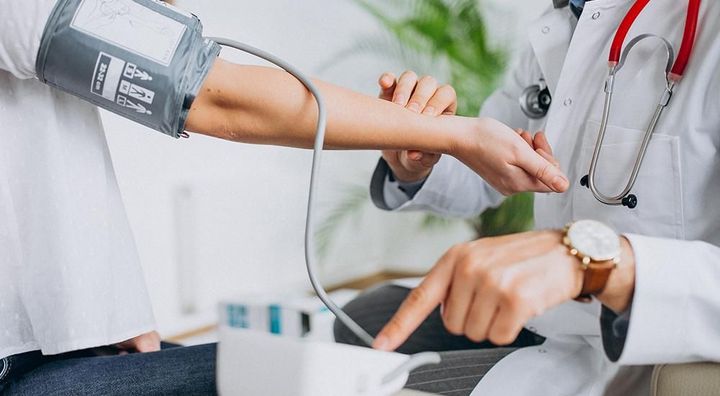
Hospital equipment refers to the tools, devices, machines, and systems used in healthcare facilities to support diagnosis, monitoring, treatment, rehabilitation, and patient care. These technologies have become an essential part of modern healthcare environments because they help healthcare professionals collect accurate information, monitor patient conditions, and support medical procedures.
The history of hospital equipment is closely connected to advances in medicine and engineering. Early healthcare settings relied primarily on manual tools and direct observation. As scientific knowledge expanded, specialized devices were developed to improve accuracy, efficiency, and patient safety.
Today, hospital equipment ranges from basic examination tools to advanced imaging systems and digital monitoring platforms. Equipment is commonly used in emergency departments, operating rooms, intensive care units, laboratories, outpatient clinics, and rehabilitation centers.
The primary purpose of hospital equipment is to assist healthcare professionals in making informed decisions and improving healthcare outcomes through reliable data and standardized procedures.
Why Hospital Equipment Matters Today
Healthcare systems around the world face growing demands due to aging populations, chronic diseases, emerging health challenges, and increased expectations for quality care. Hospital equipment plays an important role in addressing these challenges.
Accurate diagnostic tools help identify medical conditions earlier, allowing healthcare providers to develop appropriate treatment plans. Monitoring systems provide continuous information about patient health, enabling timely interventions when necessary.
Some key benefits include:
- Improved diagnostic accuracy
- Enhanced patient monitoring
- Better clinical decision-making
- Increased efficiency in healthcare operations
- Support for complex medical procedures
- Reduced risk of manual errors
- Better data collection and record management
The impact of hospital equipment extends beyond healthcare professionals. Patients, caregivers, healthcare administrators, researchers, and public health organizations all rely on information generated through medical devices and healthcare technologies.
The following table highlights common categories of hospital equipment and their primary functions:
| Equipment Category | Primary Purpose |
|---|---|
| Diagnostic Equipment | Identifying medical conditions |
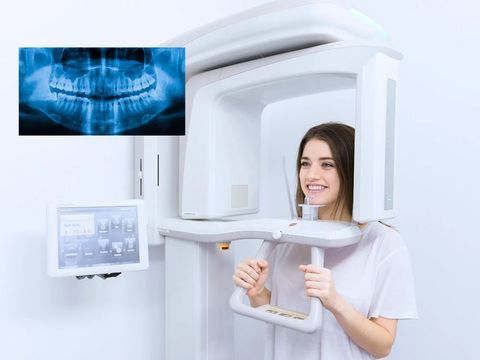
| Imaging Systems | Visualizing internal structures |
| Monitoring Devices | Tracking patient health indicators |
| Laboratory Equipment | Analyzing biological samples |
| Surgical Equipment | Supporting medical procedures |
| Rehabilitation Equipment | Assisting patient recovery |
| Emergency Equipment | Responding to urgent situations |
Hospital Equipment Usage Across Healthcare Settings
The variety of equipment used depends on the healthcare environment and patient needs.
| Healthcare Area | Common Equipment Types |
| Emergency Care | Defibrillators, monitors, ventilators |
| Intensive Care | Patient monitoring systems, infusion pumps |
| Radiology | MRI, CT, ultrasound systems |
| Laboratories | Analyzers, microscopes, testing instruments |
| Surgical Units | Anesthesia systems, surgical instruments |
| Rehabilitation Centers | Mobility and therapy devices |
As healthcare becomes increasingly data-driven, equipment is also becoming more interconnected through digital networks and electronic health record systems.
Recent Updates and Trends in Hospital Equipment
The healthcare technology sector has experienced significant developments during 2025 and 2026. Several trends are influencing how hospitals manage and use medical equipment.
One major trend is the growing adoption of artificial intelligence in diagnostic systems. AI-supported imaging platforms are being used to assist healthcare professionals in analyzing medical images and identifying patterns that may require further review.
Another important development is the expansion of remote patient monitoring technologies. Healthcare facilities are increasingly integrating wearable devices and connected monitoring systems to improve patient observation and data collection.
Recent industry reports published throughout 2025 highlighted increased investment in cybersecurity protections for connected medical devices. As healthcare systems become more digital, protecting patient information and equipment networks has become a major priority.
Additional trends include:
- Greater use of cloud-based healthcare platforms
- Increased automation in laboratories
- Enhanced interoperability between devices
- Expansion of telehealth support equipment
- Improved energy efficiency in healthcare technology
- Growth of predictive maintenance systems
The following trend overview illustrates the direction of healthcare technology adoption:
| Trend | Growth Focus |
| Artificial Intelligence | Diagnostic support |
| Remote Monitoring | Patient observation |
| Device Connectivity | Data sharing |
| Cybersecurity | Information protection |
| Automation | Operational efficiency |
| Predictive Analytics | Equipment management |
Healthcare organizations continue to evaluate new technologies while balancing safety, reliability, regulatory compliance, and patient privacy considerations.
How Laws and Policies Affect Hospital Equipment
Hospital equipment is subject to extensive regulations because it directly impacts patient health and safety. Government agencies and regulatory authorities establish standards that manufacturers, healthcare facilities, and medical professionals must follow.
Regulatory frameworks generally focus on:
- Device safety
- Product quality
- Clinical effectiveness
- Data privacy
- Cybersecurity
- Manufacturing standards
- Maintenance requirements
Medical devices often undergo testing, documentation reviews, and approval processes before they can be used in healthcare environments. These procedures are intended to ensure that equipment performs as intended under clinical conditions.
Many countries have healthcare technology assessment programs that evaluate the effectiveness and safety of new equipment before broader implementation.
In recent years, policymakers have also increased attention on digital health regulations. Connected medical devices, cloud-based healthcare systems, and artificial intelligence applications may be subject to additional oversight related to data protection and cybersecurity.
Healthcare facilities are typically required to maintain equipment records, conduct inspections, follow maintenance schedules, and ensure staff receive appropriate training.
Compliance with healthcare regulations helps support patient safety, operational consistency, and public trust in healthcare systems.
Helpful Tools and Resources Related to Hospital Equipment
Healthcare professionals, students, researchers, and administrators can access various tools and resources to learn about hospital equipment and healthcare technology.
Useful resources include:
- Medical device databases
- Healthcare technology assessment reports
- Clinical practice guidelines
- Equipment maintenance management software
- Biomedical engineering resources
- Healthcare compliance documentation
- Medical terminology reference tools
- Equipment lifecycle planning templates
Examples of practical resource categories include:
| Resource Type | Purpose |
| Equipment Management Software | Track maintenance schedules |
| Medical Device Databases | Research device information |
| Clinical Guidelines | Support healthcare decisions |
| Training Platforms | Educational development |
| Compliance Checklists | Regulatory preparation |
| Asset Tracking Systems | Equipment monitoring |
Healthcare organizations often use digital asset management systems to monitor equipment performance, maintenance schedules, service history, and operational status.
Educational institutions also provide learning materials that help healthcare professionals understand equipment functionality, safety procedures, and technological developments.
Frequently Asked Questions
What is considered hospital equipment?
Hospital equipment includes medical devices, diagnostic systems, monitoring tools, laboratory instruments, imaging technologies, and other healthcare technologies used to support patient care and clinical operations.
Why is hospital equipment important in healthcare?
Hospital equipment helps healthcare professionals diagnose conditions, monitor patients, perform procedures, collect data, and improve overall healthcare quality through reliable technological support.
What is the difference between medical devices and hospital equipment?
Medical devices are individual products designed for healthcare purposes, while hospital equipment is a broader category that may include multiple medical devices, systems, and supporting technologies used within healthcare facilities.
How often should hospital equipment be maintained?
Maintenance schedules vary depending on equipment type, manufacturer recommendations, regulatory requirements, and healthcare facility policies. Regular inspections and preventive maintenance are commonly used to support safe operation.
What are the biggest trends in hospital equipment today?
Current trends include artificial intelligence integration, remote patient monitoring, healthcare automation, connected medical devices, cybersecurity improvements, and advanced data analytics.
Conclusion
Hospital equipment has become a fundamental component of modern healthcare systems. From diagnostic technologies and monitoring systems to laboratory instruments and digital healthcare platforms, these tools support clinical decision-making and patient care across a wide range of medical environments.
Recent developments in artificial intelligence, connectivity, automation, and cybersecurity continue to shape the future of healthcare technology. At the same time, regulations and compliance standards remain essential for ensuring safety, quality, and reliability.
Understanding hospital equipment helps healthcare professionals, students, researchers, policymakers, and the general public appreciate the role technology plays in supporting modern medicine. As healthcare continues to evolve, hospital equipment will remain a critical element in improving efficiency, enhancing patient care, and advancing medical knowledge.