Jump to a Chapter

Honda Elevate EV: Expected Price, Range, Launch and Complete Guide

Honda Elevate EV: Expected Price, Range, Launch and Complete Guide

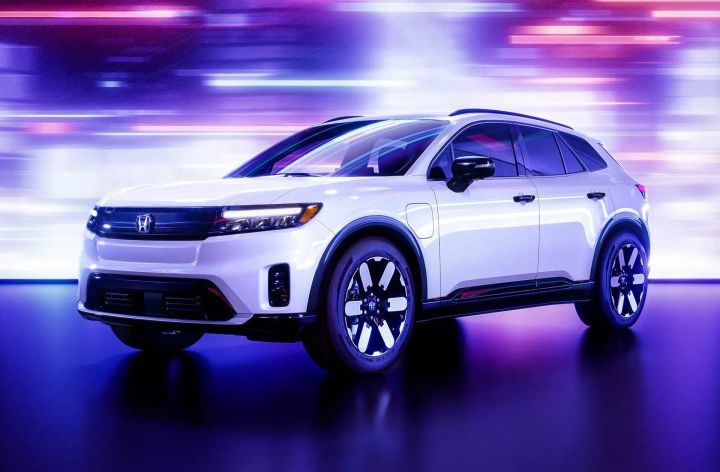
The Honda Elevate EV is expected to become Honda's next major electric SUV for the Indian market, reflecting the company's broader strategy to expand its electric vehicle portfolio. As India's automotive industry moves steadily toward electrification, manufacturers are introducing battery-powered SUVs that combine everyday practicality with lower emissions and advanced digital technologies.

The Elevate EV is anticipated to build upon the foundation established by the Honda Elevate SUV while incorporating an electric powertrain, connected technologies, modern safety systems, and improved driving efficiency. Although Honda has not officially announced all technical specifications, industry reports suggest that the model is being developed to compete within India's rapidly expanding electric SUV segment.

The growing interest surrounding the Honda Elevate EV also reflects wider changes in consumer preferences, government support for electric mobility, and improvements in charging infrastructure across the country.

Key InformationDetails
VehicleHonda Elevate EV
Vehicle TypeElectric SUV
Model YearExpected 2026
PowertrainBattery Electric Vehicle (BEV)
ChargingFast Charging Expected
Drive TypeFront-Wheel Drive (Expected)
Expected Launch2026
SegmentCompact Electric SUV

Understanding the Honda Elevate EV

The Honda Elevate EV is expected to represent Honda's transition toward cleaner mobility solutions in India. Unlike conventional petrol-powered SUVs, battery electric vehicles operate using electric motors powered by rechargeable battery packs.

Electric vehicles generally eliminate tailpipe emissions and include several technologies designed to improve energy efficiency, driving refinement, and digital connectivity.

Expected highlights may include:

  • Modern electric powertrain
  • High-capacity battery pack
  • Regenerative braking
  • Fast charging capability
  • Connected vehicle platform
  • Digital driver display
  • Advanced infotainment system
  • Enhanced safety technologies

Rather than completely redefining Honda's SUV strategy, the Elevate EV is expected to extend the existing Elevate nameplate into the electric mobility segment.

Why the Honda Elevate EV Matters

Electric vehicles are becoming increasingly important within India's automotive industry as infrastructure, technology, and consumer awareness continue to improve.

Several factors explain why the Honda Elevate EV has attracted significant attention.

Expansion of Electric Mobility

Electric vehicles now represent one of the fastest-growing categories in India's passenger vehicle market.

Growth is supported by:

  • Improved battery technology
  • Expanded charging infrastructure
  • Better driving range
  • Lower maintenance requirements
  • Reduced local emissions
  • Advancements in digital vehicle systems

These developments are encouraging more consumers to explore electric mobility.

Suitable for Urban and Highway Driving

Modern electric SUVs are increasingly designed to perform well across multiple driving conditions.

Expected benefits include:

  • Smooth acceleration
  • Quiet cabin operation
  • Efficient city driving
  • Regenerative braking
  • Comfortable long-distance travel
  • Advanced navigation support

These characteristics make electric SUVs suitable for daily commuting as well as occasional highway journeys.

Technology-Driven Ownership Experience

Electric vehicles rely heavily on software and digital technologies.

Expected connected features may include:

  • Remote battery monitoring
  • Charging status updates
  • Smartphone application support
  • Navigation with charging locations
  • Vehicle diagnostics
  • Remote climate control
  • Digital key functionality (expected)

These technologies simplify vehicle management while improving convenience.

Growing Focus on Sustainability

Many manufacturers are investing in battery-electric vehicles as part of broader sustainability strategies.

Electric SUVs contribute toward:

  • Reduced dependence on fossil fuels
  • Lower local emissions
  • Improved energy efficiency
  • Quieter urban transportation
  • Integration with renewable energy sources

Although the environmental impact depends on electricity generation methods, electric mobility continues to play an important role in long-term transportation planning.

Expected Specifications Overview

FeatureExpected Details
Vehicle TypeBattery Electric SUV
BatteryHigh-Capacity Lithium-Ion Battery (Expected)
Driving RangeCompetitive Long-Range Capability (Official figures pending)
ChargingDC Fast Charging & AC Charging (Expected)
Drive SystemFront-Wheel Drive (Expected)
InfotainmentLarge Touchscreen Display
ConnectivityWireless Smartphone Integration
SafetyMultiple Airbags, ESC, ADAS (Expected)

Battery Technology

Battery technology continues evolving rapidly across the global automotive industry.

Modern electric SUVs commonly feature:

  • Lithium-ion battery packs
  • Thermal management systems
  • Intelligent battery monitoring
  • Regenerative energy recovery
  • Battery health management software
  • Smart charging optimization

These technologies help improve efficiency, battery durability, and driving performance.

Charging Technology

Charging infrastructure has expanded considerably across India over the past few years.

Electric SUVs generally support:

  • Home AC charging
  • Public AC charging
  • DC fast charging
  • Scheduled charging
  • Battery monitoring through mobile applications

Charging speeds vary depending on battery size, charger capacity, and environmental conditions.

Recent Updates and Industry Developments

Several developments during the past year have strengthened India's electric vehicle ecosystem and influenced upcoming models such as the Honda Elevate EV.

Expansion of Charging Networks

Charging infrastructure continues expanding across metropolitan cities, highways, and commercial locations.

Recent developments include:

  • More DC fast chargers
  • Highway charging corridors
  • Smart charging stations
  • Mobile charging applications
  • Integrated payment systems

Improved accessibility supports greater confidence among electric vehicle users.

Improved Battery Technology

Battery manufacturers continue investing in technologies that enhance:

  • Energy density
  • Charging efficiency
  • Battery longevity
  • Thermal management
  • Safety performance

These improvements contribute to better driving range and long-term reliability.

Connected Electric Vehicles

Electric SUVs increasingly integrate digital ecosystems featuring:

  • Over-the-air software updates
  • Remote diagnostics
  • Smartphone applications
  • Cloud-based navigation
  • Charging station mapping
  • Vehicle health analytics

Software has become an increasingly important component of modern electric vehicles.

Growth of India's EV Market

The Indian EV market has continued expanding across passenger vehicles, commercial vehicles, and two-wheelers.

Industry trends include:

  • Higher consumer awareness
  • Increased manufacturer participation
  • Improved charging accessibility
  • Advancements in battery manufacturing
  • Greater emphasis on connected technologies

These developments provide a supportive environment for future electric SUV launches.

EV Technology Trend Illustration


Battery Technology        ███████████████████
Fast Charging             █████████████████
Connected Features        ██████████████████
ADAS Systems              ███████████████
Digital Displays          █████████████████


Illustrative representation of technology trends influencing modern electric SUVs.

Government Regulations and EV Policies

The development of the Honda Elevate EV is expected to align with India's evolving electric mobility ecosystem. Government policies, safety standards, and environmental regulations continue to influence how manufacturers design, manufacture, and introduce electric vehicles in the country.

PM E-DRIVE Scheme

India's PM Electric Drive Revolution in Innovative Vehicle Enhancement (PM E-DRIVE) initiative supports the adoption of electric mobility by encouraging the development of charging infrastructure and promoting cleaner transportation technologies.

The program focuses on areas such as:

  • Expansion of public charging stations
  • Support for electric mobility infrastructure
  • Advanced battery technologies
  • Electric public transportation
  • Domestic EV ecosystem development

These initiatives contribute to improving the overall electric vehicle environment in India.

Battery Safety Standards

Electric vehicles sold in India must comply with battery safety regulations established under the Automotive Industry Standards (AIS).

Manufacturers are expected to integrate:

  • Battery Management Systems (BMS)
  • Thermal management technologies
  • Cell monitoring systems
  • Overcharge protection
  • Short-circuit protection
  • Thermal runaway mitigation measures

These systems are designed to improve battery reliability and operational safety.

Bharat NCAP Safety Program

The Bharat New Car Assessment Programme (Bharat NCAP) encourages manufacturers to improve occupant protection and crash safety.

Modern electric SUVs increasingly incorporate:

  • Multiple airbags
  • Electronic Stability Control (ESC)
  • Autonomous Emergency Braking (selected models)
  • Lane Departure Warning
  • Driver monitoring systems
  • Strong battery protection structures

As safety awareness continues to grow, advanced safety technologies are becoming increasingly common across premium electric vehicles.

Charging Infrastructure Development

India continues expanding its charging ecosystem through public and private initiatives.

Current developments include:

  • DC fast charging stations
  • Highway charging corridors
  • Urban charging hubs
  • Smart charging management
  • Renewable energy integration
  • Digital charger discovery platforms

These developments improve accessibility and convenience for electric vehicle users.

Environmental and Sustainability Initiatives

Electric mobility forms part of India's broader sustainability objectives.

Industry efforts continue focusing on:

  • Reduced vehicle emissions
  • Improved energy efficiency
  • Battery recycling initiatives
  • Responsible battery manufacturing
  • Renewable energy integration
  • Sustainable transportation solutions

These long-term initiatives are expected to support continued growth of electric passenger vehicles.

Helpful Tools and Resources

Several official platforms and digital tools help drivers better understand electric vehicles, charging infrastructure, and vehicle ownership.

ResourcePurpose
Honda Cars India Official WebsiteOfficial specifications, announcements, and product updates
PM E-DRIVE Information PortalInformation on India's electric mobility initiatives
Ministry of Road Transport & Highways (MoRTH)Road transport regulations and EV-related policies
VAHAN PortalVehicle registration information
DigiLockerSecure digital storage of driving licence and vehicle documents
Bharat NCAPVehicle safety ratings and crash assessment information

Additional digital resources useful for EV owners include:

  • Charging station locator applications
  • EV route planning tools
  • Battery monitoring applications
  • Energy consumption calculators
  • Navigation systems with charger integration
  • Vehicle maintenance reminder apps
  • Home charging management tools
  • Weather forecasting applications for trip planning

These resources help owners manage charging, travel planning, and vehicle documentation more efficiently.

Expected Feature Comparison

CategoryHonda Elevate (Petrol)Honda Elevate EV (Expected)
PowertrainPetrol EngineBattery Electric Motor
Energy SourcePetrolRechargeable Battery
TransmissionAutomatic / ManualSingle-Speed EV Drive (Expected)
Driving ExperienceConventionalInstant Electric Torque
ConnectivitySmartphone IntegrationEnhanced Connected Vehicle Platform
SafetyMultiple Airbags, ESCAdditional ADAS Features (Expected)
Instrument ClusterDigital DisplayAdvanced Digital Interface
ChargingNot ApplicableAC & DC Charging (Expected)

Frequently Asked Questions

Is the Honda Elevate EV officially launched in India?

At the time of writing, Honda has not officially launched the Elevate EV in India. Information currently available is based on industry reports and expected product development. Final specifications, launch timing, and feature availability will be confirmed by Honda.

What type of battery is expected in the Honda Elevate EV?

Although Honda has not released official technical details, the Elevate EV is expected to use a modern lithium-ion battery pack supported by an advanced Battery Management System designed to improve efficiency, charging performance, and battery durability.

Will the Honda Elevate EV support fast charging?

Industry expectations indicate that the vehicle is likely to support both AC charging for home use and DC fast charging for public charging infrastructure. Official charging specifications will be announced closer to launch.

What technologies are expected in the Honda Elevate EV?

Expected features include a large touchscreen infotainment system, digital instrument cluster, wireless smartphone connectivity, connected vehicle technology, regenerative braking, advanced safety systems, and selected driver-assistance technologies.

Who is the Honda Elevate EV designed for?

The Elevate EV is expected to suit drivers seeking an electric SUV for urban commuting, family transportation, and occasional long-distance travel while benefiting from modern connectivity, improved driving refinement, and lower local emissions.

Conclusion

The Honda Elevate EV represents Honda's expected expansion into India's fast-growing electric SUV segment. Built on the popularity of the existing Elevate, the electric version is anticipated to combine practical SUV characteristics with battery-electric technology, connected digital features, and enhanced safety systems.

Industry reports suggest the vehicle may introduce improvements such as a modern electric powertrain, advanced battery management, fast-charging capability, connected vehicle functions, and driver-assistance technologies. These developments reflect broader trends across the global automotive industry, where electrification, software integration, and intelligent mobility are becoming increasingly important.

The Honda Elevate EV is also expected to align with India's evolving regulatory environment, including PM E-DRIVE initiatives, Bharat NCAP safety standards, battery safety requirements, and expanding charging infrastructure. While official specifications, driving range, feature availability, and launch timeline remain subject to Honda's confirmation, the model continues to generate interest among readers following developments in India's electric vehicle market.

As electric mobility continues to evolve, vehicles such as the Honda Elevate EV demonstrate how manufacturers are adapting to changing consumer expectations through cleaner powertrains, improved digital experiences, and modern safety technologies. Readers should refer to Honda Cars India's official announcements for the latest confirmed information as the launch approaches.

author-image

Saurabh Chawla

We are a performance-driven media buying team focused on scaling brands through smart, data-backed advertising strategies

July 27, 2026 . 11 min read