Haute Couture Leathercraft Insights into Luxury Fashion and Handmade Creations
Haute couture leathercraft represents the highest level of craftsmanship in leather design and production. It combines traditional artisan skills with modern design principles to create unique and highly detailed leather products. Unlike mass-produced leather items, haute couture leathercraft focuses on precision, creativity, premium materials, and exceptional attention to detail.
The purpose of haute couture leathercraft is to transform leather into artistic and functional creations. These creations often include handbags, footwear, belts, garments, gloves, travel accessories, and decorative pieces that showcase expert workmanship.
This specialized field bridges the gap between fashion, design, and traditional craftsmanship. It preserves centuries-old techniques while adapting to contemporary consumer preferences and sustainability expectations.
How Haute Couture Leathercraft Is Structured
The creation process typically follows several carefully planned stages. Each stage contributes to the quality and uniqueness of the final product.
Key Stages in Haute Couture Leathercraft
- Material selection
- Pattern development
- Hand cutting
- Leather treatment
- Stitching and assembly
- Edge finishing
- Hardware integration
- Quality inspection
- Final detailing
Every stage requires skilled artisans who understand the characteristics of different leather types and how they respond to various crafting techniques.
Essential Materials Used
The quality of materials directly influences durability, appearance, and performance.
| Material Type | Common Characteristics | Typical Applications |
|---|---|---|
| Full-Grain Leather | Natural texture, strong durability | Luxury bags, footwear |
| Top-Grain Leather | Smooth finish, refined appearance | Fashion accessories |
| Vegetable-Tanned Leather | Natural aging, eco-conscious processing | Belts, wallets |
| Exotic Leather | Distinctive patterns and textures | Couture accessories |
| Suede Leather | Soft surface and elegant finish | Fashion garments |
| Nubuck Leather | Velvet-like texture | Premium footwear |
Selecting the appropriate material depends on the intended design, functionality, and aesthetic goals.
Importance of Haute Couture Leathercraft
Haute couture leathercraft plays a significant role in preserving artisan traditions while supporting innovation in fashion and design.
Its importance can be observed in several areas:
Major Benefits
- Preserves traditional craftsmanship
- Encourages artistic expression
- Promotes product longevity
- Supports customization and individuality
- Enhances material utilization
- Creates durable luxury products
- Maintains cultural heritage techniques
In an era dominated by automation, handcrafted leatherwork continues to demonstrate the value of human expertise and creativity.
Core Techniques Used by Artisans
Professional leather artisans employ specialized techniques developed over generations.
Common Leathercraft Techniques
- Saddle stitching
- Hand stitching
- Edge burnishing
- Leather carving
- Leather embossing
- Tooling and engraving
- Hand painting
- Layer construction
- Pattern sculpting
- Decorative perforation
These techniques allow artisans to achieve intricate designs that machines often cannot replicate with the same level of precision.
Real-World Applications
Haute couture leathercraft extends beyond fashion products and serves various industries.
Common Applications
- Luxury handbags
- Designer footwear
- Couture jackets
- Premium travel accessories
- Fashion runway collections
- Limited-edition accessories
- Heritage-inspired products
- Artistic exhibition pieces
Many leading fashion houses rely on skilled leather artisans to create signature products that reflect their design philosophy and brand identity.
Challenges Solved by Haute Couture Leathercraft
Although industrial manufacturing provides efficiency, haute couture leathercraft addresses several challenges that mass production may struggle to overcome.
Problems Addressed
- Limited product individuality
- Reduced craftsmanship quality
- Lack of customization
- Short product lifespan
- Generic design aesthetics
- Insufficient attention to detail
Through meticulous craftsmanship, artisans create products that emphasize durability, uniqueness, and personal expression.
Key Components of a Haute Couture Leather Product
Several elements contribute to the overall quality of a couture leather creation.
Essential Components
- Premium leather material
- Reinforced stitching
- Precision-cut patterns
- Durable linings
- High-quality hardware
- Hand-finished edges
- Decorative detailing
- Structural support elements
The integration of these components ensures functionality while maintaining a sophisticated appearance.
Types of Haute Couture Leathercraft
The field encompasses numerous specialized categories.
Popular Categories
- Leather accessories
- Leather garments
- Luxury footwear
- Travel goods
- Decorative leather art
- Custom leather products
- Fashion runway pieces
- Collector editions
Each category requires different techniques, tools, and design considerations.
Modern Technologies Influencing Leathercraft
Technology continues to enhance traditional leatherworking without replacing artisan expertise.
Emerging Technologies
- Digital pattern creation
- Laser-assisted cutting
- Computer-aided design software
- Advanced leather finishing systems
- 3D prototyping tools
- Precision measurement systems
- Material performance testing
These technologies improve consistency and efficiency while allowing artisans to maintain creative control.
Recent Trends and Developments (2025–2026)
The leathercraft industry has experienced significant developments over the past year.
Notable Industry Trends
- Increased adoption of sustainable leather sourcing practices
- Greater use of vegetable-tanned materials
- Expansion of traceable supply chains
- Growth in limited-production artisan collections
- Integration of digital design technologies
- Increased interest in heritage craftsmanship
- Rising demand for repairable and long-lasting products
Developments Observed in 2025–2026
- Fashion brands expanded circular production initiatives during 2025.
- Material innovation continued with lower-impact tanning methods throughout 2025 and 2026.
- Artisan workshops increasingly adopted digital design tools in 2026.
- Consumer interest in durable luxury goods remained strong across international fashion markets during 2026.
These developments reflect broader sustainability and craftsmanship-focused movements within the fashion industry.
Sustainability and Responsible Leathercraft
Environmental responsibility has become an important consideration within haute couture leathercraft.
Sustainable Practices
- Responsible sourcing of raw materials
- Waste reduction initiatives
- Long-life product design
- Repair-focused craftsmanship
- Eco-conscious tanning methods
- Resource-efficient production processes
By emphasizing durability and longevity, haute couture leathercraft contributes to reduced product replacement cycles.
Regulations and Industry Standards
Leather products may be influenced by various regulations depending on production location and market requirements.
Relevant Regulatory Areas
- Product labeling requirements
- Material traceability standards
- Environmental compliance regulations
- Chemical usage restrictions
- Consumer safety standards
- International trade documentation
Manufacturers and artisans must remain informed about evolving regulatory frameworks to ensure compliance and transparency.
Tools and Learning Resources
Individuals interested in learning haute couture leathercraft can benefit from various educational resources and professional tools.
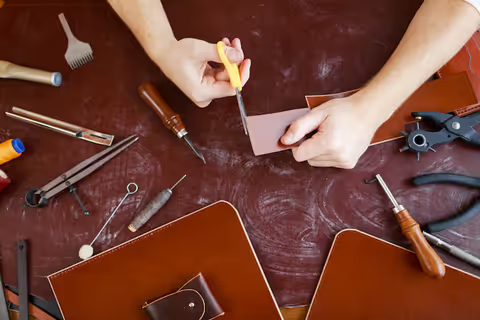
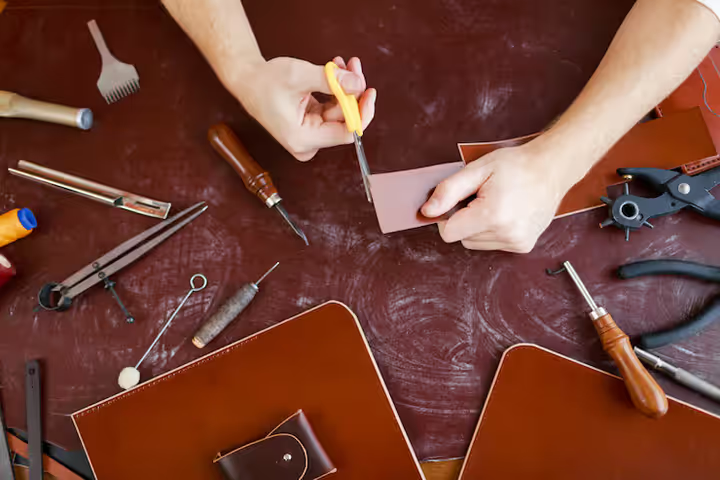
Useful Tools
- Leather knives
- Edge bevelers
- Stitching chisels
- Burnishing tools
- Cutting mats
- Measuring instruments
- Leather punches
- Pattern templates
Learning Resources
- Leatherworking workshops
- Fashion design institutes
- Craftsmanship academies
- Professional leathercraft associations
- Technical leatherworking manuals
- Material science publications
- Digital design training platforms
Continuous learning helps artisans refine their skills and adapt to changing industry requirements.
Economic and Cultural Impact
Haute couture leathercraft contributes to both cultural preservation and creative industries.
Artisan workshops often preserve regional techniques that have been passed down through generations. These traditions provide cultural value while supporting specialized craftsmanship sectors.
Additionally, luxury leather craftsmanship encourages innovation in materials, design methodologies, and production techniques. This combination of heritage and innovation helps maintain the relevance of leathercraft in modern fashion.
Future Outlook
The future of haute couture leathercraft is expected to balance tradition with technological advancement. As consumers increasingly value authenticity, craftsmanship, and sustainability, demand for expertly crafted leather products is likely to remain significant.
Future developments may include:
Expected Advancements
- Improved material traceability
- Advanced sustainable tanning methods
- Enhanced digital design integration
- Greater customization capabilities
- Increased artisan education programs
- Expanded circular production practices
These advancements can help preserve traditional skills while supporting responsible innovation.
FAQ
What is haute couture leathercraft?
Haute couture leathercraft is the creation of premium leather products using advanced artisan techniques, exceptional materials, and meticulous craftsmanship.
How is haute couture leathercraft different from standard leather production?
It emphasizes handcrafted techniques, limited production, detailed finishing, customization, and artistic design rather than large-scale manufacturing.
Which leather types are commonly used in haute couture products?
Common options include full-grain leather, top-grain leather, vegetable-tanned leather, suede, nubuck, and selected exotic leathers.
Why is sustainability becoming important in leathercraft?
Consumers and manufacturers increasingly prioritize responsible sourcing, durability, waste reduction, and environmentally conscious production methods.
Can modern technology support traditional leathercraft?
Yes. Technologies such as digital design software, laser-assisted cutting, and precision measurement tools help artisans improve efficiency while preserving craftsmanship quality.
Conclusion
Haute couture leathercraft represents the highest expression of leather artistry, combining premium materials, technical expertise, and creative design. Through carefully refined techniques and attention to detail, artisans create products that balance functionality, durability, and aesthetic excellence. As sustainability, traceability, and digital innovation continue to shape the industry in 2025 and 2026, haute couture leathercraft remains a valuable example of how traditional craftsmanship can evolve while preserving its heritage and cultural significance.