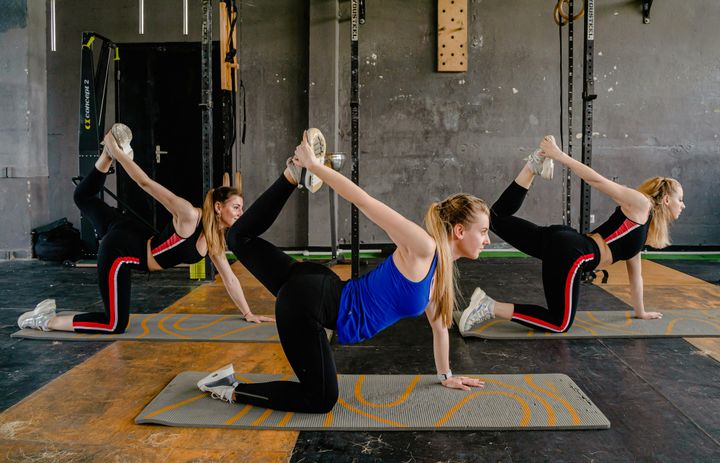
Unlike regular clothing, activewear is engineered with performance-focused materials that enhance mobility and reduce discomfort. It includes items such as t-shirts, leggings, shorts, sports bras, and training jackets.
High CPC keywords in this domain include gym activewear, performance workout clothing, moisture-wicking fabric, breathable sportswear, compression wear technology, and fitness apparel materials. These keywords highlight the technical and functional aspects of activewear design.
Activewear has evolved alongside fitness trends, becoming an essential part of both athletic performance and everyday lifestyle wear.
Why Gym Activewear Matters Today
Gym activewear plays an important role in improving exercise experience and overall performance. As fitness awareness grows, more individuals are paying attention to clothing that supports their physical activities.
Key reasons for its importance include:
-
Comfort and flexibility: Allows free movement during workouts
-
Moisture management: Helps keep the body dry during intense activity
-
Injury prevention support: Provides compression and stability in certain designs
-
Temperature regulation: Assists in maintaining body balance during exercise
Problems that activewear helps address:
-
Discomfort caused by heavy or non-breathable fabrics
-
Restricted movement during workouts
-
Excess sweat retention leading to irritation
-
Lack of durability in regular clothing during physical activity
Activewear is relevant for fitness enthusiasts, athletes, and individuals incorporating regular exercise into their routines.Common Types of Gym Activewear
| Type | Description | Common Use |
|---|
| T-Shirts & Tanks | Lightweight tops for ventilation | General workouts |
| Leggings & Tights | Stretchable lower wear for flexibility | Yoga, training |
| Shorts | Loose or fitted designs for mobility | Cardio workouts |
| Sports Bras | Provide support during high-impact activities | Running, training |
| Training Jackets | Lightweight outerwear for warm-ups | Outdoor workouts |
This table outlines common categories of gym activewear and their typical uses
Fabric Types and Performance Features
Fabric selection is a critical factor in activewear performance. Different materials offer varying levels of comfort, durability, and functionality.
Synthetic fabrics:
-
Polyester: Lightweight and moisture-wicking
-
Nylon: Durable and stretchable
-
Spandex (elastane): Provides elasticity and flexibility
Natural fabrics:
-
Cotton: Soft and breathable but retains moisture
-
Bamboo: Lightweight and eco-friendly
Blended fabrics:
-
Combine natural and synthetic fibers for balanced performance
Key performance features include:
-
Moisture-wicking technology: Draws sweat away from the body
-
Breathability: Allows airflow to keep the body cool
-
Stretchability: Enhances mobility during exercise
-
Quick-drying capability: Reduces discomfort after sweating
Recent Trends and Updates in Activewear (2025–2026)
The activewear industry has seen several developments in the past year, influenced by sustainability, technology, and lifestyle changes.
Sustainable fabric innovation (2025):
Manufacturers are using recycled materials and eco-friendly fibers to reduce environmental impact.
Smart textiles and wearable integration (2026):
Some activewear now includes sensors to track performance metrics such as heart rate and movement.
Athleisure expansion (2025–2026):
Activewear is increasingly designed for both workouts and casual wear, blending style with functionality.
Seamless construction technology (late 2025):
Seamless designs reduce friction and improve comfort during prolonged activity.
Temperature-regulating fabrics (2026):
Advanced materials adjust to body heat, enhancing comfort in different environments.
Activewear Performance ComparisonThis graph shows relative performance levels of common activewear materials based on durability and moisture management.
Regulations and Policies Affecting Activewear
Gym activewear is influenced by textile regulations and safety standards that ensure product quality and consumer protection.
In India, key regulatory aspects include:
-
Textile labeling requirements:
Ensure accurate information about fabric composition and care instructions
-
Quality standards:
Govern durability, colorfastness, and fabric strength
-
Environmental guidelines:
Encourage sustainable manufacturing and reduced chemical usage
-
Consumer protection laws:
Prevent misleading claims about product performance
-
Industry compliance:
Brands such as Nike and Adidas follow global quality and safety standards in textile production
These regulations help maintain transparency and ensure that activewear meets expected performance criteria.
Tools and Resources for Activewear Selection and Care
Various tools and resources help individuals understand, maintain, and optimize their activewear usage.
Fitness tracking apps:
-
MyFitnessPal for monitoring workouts and activity levels
-
Nike Training Club for guided exercise routines
Fabric care guides:
-
Online resources explaining washing, drying, and maintenance practices
Size and fit guides:
-
Charts that help determine appropriate sizing for comfort and performance
Material comparison tools:
-
Platforms that explain differences between fabric types
Educational content:
-
Articles and videos on workout clothing and performance optimization
These resources support better understanding and long-term use of activewear.
Frequently Asked Questions
What is gym activewear?
Gym activewear is clothing designed specifically for exercise, offering comfort, flexibility, and performance features.
Which fabric is best for workouts?
Synthetic fabrics like polyester and nylon are commonly preferred due to their moisture-wicking and quick-drying properties.
Why is moisture-wicking important?
It helps keep the body dry by drawing sweat away from the skin, improving comfort during workouts.
Can activewear be used for daily wear?
Yes, many designs are suitable for both exercise and casual use, especially in athleisure styles.
How should activewear be maintained?
Proper washing, avoiding high heat, and following care instructions help maintain fabric performance.
Conclusion
Gym activewear is an essential component of modern fitness routines, offering functionality, comfort, and adaptability. By combining advanced fabrics with thoughtful design, it supports a wide range of physical activities.
Recent trends such as sustainable materials, smart textiles, and athleisure designs reflect the evolving needs of users. At the same time, regulations ensure that products meet quality and safety standards.
Understanding fabric types, performance features, and available resources helps individuals make informed decisions about activewear and enhance their overall exercise experience.
Disclaimer
This content is intended for informational and educational purposes only. It does not promote, endorse, or represent any specific brand, product, or organization. The information provided is general in nature and should not be interpreted as professional or fitness advice.