Jump to a Chapter

Guide To Water Conservation Equipment for Efficient Water Management

Guide To Water Conservation Equipment for Efficient Water Management

Water conservation equipment helps reduce unnecessary water use through efficient fixtures, leak monitoring, smart irrigation, rainwater collection, and water management systems.

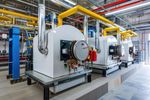
Water conservation equipment includes technologies and devices designed to reduce unnecessary water use while supporting normal daily, commercial, industrial, and agricultural activities. The goal is simple: use water more efficiently and reduce avoidable waste.

Common examples include efficient toilets and faucets, low-flow fixtures, leak detection systems, water meters, smart irrigation controllers, pressure-regulating equipment, rainwater harvesting systems, and water recycling equipment.

These technologies exist because water demand is growing while many regions face drought, aging infrastructure, population growth, and pressure on local water supplies. Modern water efficiency equipment can help users understand where water is being used and identify opportunities to reduce waste.

Common Types of Water Conservation Equipment

Equipment TypeMain Purpose
Efficient plumbing fixturesReduces unnecessary indoor water use
Leak detection systemsIdentifies unusual water flow
Smart water metersTracks water consumption
Smart irrigation controllersAdjusts outdoor watering schedules
Pressure regulatorsHelps control excessive water pressure
Rainwater harvesting systemsCollects water for suitable non-potable uses
Water recycling systemsSupports reuse of appropriately treated water

Importance: Why Water Conservation Equipment Matters Today

Water conservation matters to households, businesses, public institutions, agriculture, and industrial facilities. Even small leaks or inefficient equipment can contribute to significant water waste over time.

Water efficiency equipment can help address several practical challenges:

  • Reducing avoidable water loss
  • Detecting hidden plumbing leaks
  • Improving irrigation management
  • Supporting drought preparedness
  • Reducing pressure on water and wastewater infrastructure
  • Improving water-use monitoring

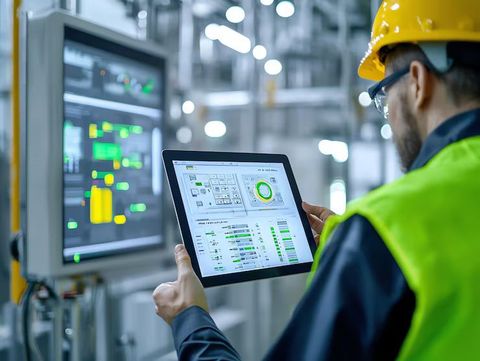
Smart water management is becoming especially important in buildings with complex plumbing networks and large outdoor areas. Water meters and digital monitoring systems can provide more detailed usage information, helping users notice unusual patterns earlier.

Who Is Affected?

The topic affects homeowners, property managers, schools, manufacturing facilities, farms, municipalities, and commercial buildings. Efficient water use can also support wider environmental goals by reducing the energy required for pumping, treating, and moving water.

Recent Updates: Trends in Water Conservation Technology

Recent developments have focused on smarter monitoring and data-driven water management. In 2025 and 2026, attention continued to grow around advanced metering infrastructure, digital water-use analysis, and improved leak detection. These tools can help utilities and large facilities understand water loss and consumption patterns more accurately.

In the United States, water-efficiency policy and product specifications have also been under review. In February 2025, the Environmental Protection Agency announced a review of WaterSense specifications, while work on developing some new product specifications was paused for further evaluation.

Another notable trend is the growing use of smart irrigation technology. Weather-based controllers can use local conditions and landscape information to improve watering schedules and reduce overwatering.

Laws or Policies: Water Conservation Rules in the United States

In the United States, water conservation equipment is affected by federal, state, and local rules. Plumbing codes may establish requirements for certain fixtures, while local governments can introduce drought restrictions, irrigation rules, or water-efficiency programs.

The EPA's WaterSense program remains an important voluntary framework for identifying products that meet established water-efficiency and performance criteria. WaterSense-labeled products are independently certified and are intended to use at least 20 percent less water than regular models in applicable categories while meeting performance requirements.

Federal guidance has also addressed water-efficient procurement. However, policy requirements can change, and Executive Order 14154 in 2025 revoked an earlier federal sustainability order that had included potable-water reduction targets.

Because local requirements vary, users should check applicable building codes and water regulations in their area.

Tools and Resources

Helpful water conservation resources include:

  • Water-use calculators for estimating household or building consumption
  • Smart meter dashboards for reviewing usage patterns
  • Leak detection alerts for unusual water flow
  • Irrigation scheduling tools based on weather and landscape conditions
  • Water conservation plan templates
  • Fixture comparison guides using efficiency and flow-rate information
  • Water audit worksheets for identifying major areas of consumption
  • Educational materials on indoor and outdoor water efficiency

These resources can support better planning without requiring advanced technical knowledge.

FAQs

What is water conservation equipment?

Water conservation equipment includes devices and systems that help reduce unnecessary water use, detect leaks, monitor consumption, or improve water management.

How do smart water meters help conserve water?

Smart meters can provide detailed consumption information and may help identify unusual usage patterns that could indicate leaks or inefficient equipment.

Is smart irrigation useful for water conservation?

Smart irrigation can improve watering schedules by considering factors such as weather conditions and landscape needs, helping reduce unnecessary watering.

Can leak detection equipment reduce water waste?

Yes. Early detection of unusual water flow can help users investigate potential leaks before water loss continues for a long period.

Is rainwater harvesting the same as drinking-water treatment?

No. Collected rainwater may require appropriate treatment before certain uses. Permitted uses and treatment requirements depend on local regulations.

Conclusion

Water conservation equipment plays an important role in modern water management. From efficient plumbing fixtures and leak detection systems to smart meters and irrigation controllers, these technologies can help reduce unnecessary water use and improve awareness of consumption patterns.

The most effective approach depends on the type of property, local water conditions, and applicable regulations. As smart water management technology continues to develop, monitoring, leak detection, efficient irrigation, and responsible reuse are likely to remain important parts of long-term water conservation.

Disclaimer

This article provides general educational information only. Water conservation requirements, plumbing codes, equipment standards, and local regulations may change. Users should verify current requirements with the appropriate local authorities before making technical or regulatory decisions.


author-image

Michel

We create meaningful, high-quality content that builds trust and drives results. Your story, written the right way

August 27, 2026 . 9 min read