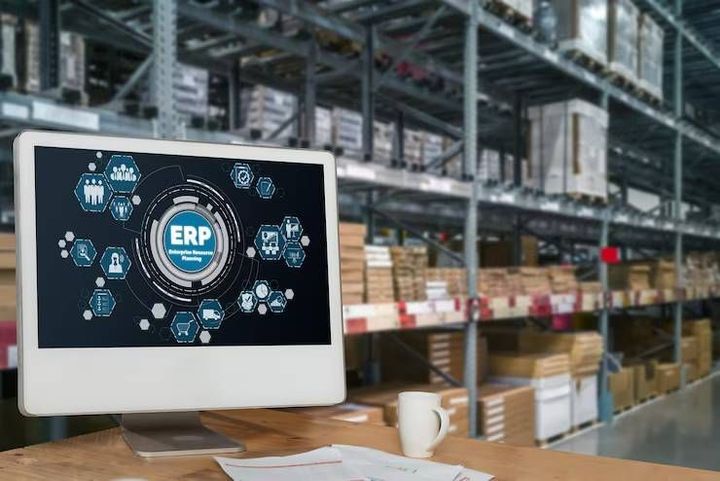
Guide To Top Wholesale Ordering Portals with ERP & SAP Integration
Running a modern distribution or manufacturing business without automated digital infrastructure creates expensive bottlenecks. When wholesale buyers rely on phone calls, spreadsheets, or manual emails to place bulk orders, errors multiply and fulfillment slows down. Adopting a dedicated wholesale ordering portal backed by deep enterprise resource planning (ERP) and SAP integration transforms how businesses handle complex B2B transactions. By connecting your customer-facing storefront directly to your back-office database, every price tier, stock adjustment, and invoice updates automatically in real time.
Traditional retail shopping carts rarely survive the complexities of wholesale distribution. B2B buyers demand personalized contract pricing, minimum order quantities, net payment terms, and instant visibility into warehouse stock levels.
Integrating your ordering portal directly with SAP S/4HANA, SAP Business One, or other cloud ERP software eliminates duplicate data entry and prevents costly overselling.
Leading Wholesale Ordering Portals with Native ERP & SAP Connectivity
Choosing the right automated order management system depends on your catalog complexity, existing SAP architecture, and internal technical resources. Below are the top-performing B2B portals engineered for enterprise reliability and smooth ERP synchronization.
SAP Commerce Cloud
Built natively within the SAP ecosystem, SAP Commerce Cloud serves large global enterprises managing massive product catalogs and omnichannel distribution networks.
Sana Commerce Cloud
Sana Commerce takes an ERP-first approach by installing directly inside your SAP or Microsoft Dynamics environment rather than relying on fragile third-party connectors.
BigCommerce B2B Edition
BigCommerce B2B Edition delivers a flexible, cloud-hosted storefront tailored for mid-market and enterprise wholesalers seeking rapid deployment. It supports corporate account hierarchies, multi-user buyer roles, custom quote generation, and quick-order pads out of the box. Through certified integration middleware like Celigo or APPSeCONNECT, BigCommerce connects reliably with SAP Business One, SAP S/4HANA, NetSuite, and Oracle, giving brands modern storefront speed without heavy infrastructure maintenance.
OroCommerce
Designed specifically from the ground up for B2B companies, OroCommerce excels at handling intricate corporate workflows and multi-tier distribution hierarchies.
WizCommerce and Corevist
For mid-market distributors running SAP Business One or SAP ECC, specialized platforms like WizCommerce and Corevist offer right-sized alternatives to heavy enterprise suites.
Essential Features to Evaluate Before Investing
Before committing to a wholesale software vendor, evaluate how well the platform handles real-world B2B friction points. A reliable portal should offer bidirectional data flow so that orders placed online immediately trigger pick-and-pack tickets in your warehouse, while offline phone orders immediately update available stock on the website.
Look closely at customer-specific catalog permissions, ensuring different distributor tiers only see relevant SKUs and contracted volume discounts.
Maximizing ROI Through Supply Chain Automation
Deploying a connected wholesale portal delivers measurable returns well beyond convenience.
Disclaimer: The information provided in this article is for general informational and educational purposes only. Software features, SAP compatibility, licensing models, and pricing tiers change frequently across vendors. Businesses should conduct thorough technical evaluations, consult certified ERP integration specialists, and request live product demonstrations before making enterprise software purchasing decisions.