Guide to Professional Laptops: Explore AI-Integrated PC Security Features, Cybersecurity Tips, Performance Insights, and Technology Basics
Professional laptops are portable computing devices designed to support business operations, productivity tasks, collaboration, and specialized workloads. Unlike consumer-oriented devices, professional laptops typically emphasize reliability, security, manageability, and long-term performance.
Understanding Professional Laptops and Why They Exist
The demand for business laptops has increased as organizations adopt hybrid work models, digital collaboration platforms, and cloud-based workflows. Employees, students, entrepreneurs, and remote professionals increasingly depend on portable computing systems for daily activities.
Recent advances in AI powered laptops and AI integrated PCs have introduced additional capabilities such as intelligent power management, automated security monitoring, enhanced video conferencing, and workload optimization. These developments reflect the broader transformation of workplace technology.
Professional laptops exist to address several challenges, including data protection, productivity requirements, mobility needs, and secure access to organizational resources. As cybersecurity threats continue to evolve, laptop security solutions have become an essential component of modern computing environments.
Why Professional Laptops Matter Today
Technology plays a central role in education, commerce, healthcare, finance, and government operations. Professional laptops enable users to remain productive regardless of location.
Several factors explain their growing importance:
- Expansion of remote and hybrid work environments.
- Increased reliance on cloud-based applications.
- Rising cybersecurity concerns affecting organizations and individuals.
- Greater demand for secure digital collaboration.
- Adoption of artificial intelligence technologies in workplace computing.
Professional laptops affect a wide range of users, including:
- Business professionals.
- Corporate teams.
- Educational institutions.
- Healthcare practitioners.
- Financial analysts.
- Government employees.
- Creative professionals.
These devices help solve common challenges such as unauthorized access, inefficient workflows, limited mobility, and data security risks.
The table below highlights common workplace needs and corresponding laptop capabilities.
| Workplace Need | Professional Laptop Capability |
|---|---|
| Secure Data Access | Laptop encryption software |
| Remote Collaboration | Video conferencing tools |
| Mobile Productivity | Lightweight designs |
| Data Protection | Cloud endpoint security |
| Multitasking | High-performance processors |
| Device Management | Enterprise administration features |
Different Types of Professional Laptops
Professional laptops are available in multiple categories, each designed for specific workloads and environments.
Traditional Business Laptops
Business laptops prioritize productivity, durability, and security. They commonly include advanced authentication technologies, extended battery life, and enterprise management features.
AI Powered Laptops
AI powered laptops incorporate dedicated processing units designed to accelerate artificial intelligence tasks. These systems support intelligent performance optimization, automated noise reduction, and enhanced security functions.
AI Integrated PCs
AI integrated PCs combine traditional computing resources with neural processing capabilities. They are increasingly used for productivity applications, machine learning workloads, and advanced collaboration experiences.
Mobile Workstations
Mobile workstations provide additional computing power for engineering, data analysis, software development, and content creation. They often include professional-grade graphics processors.
Ultraportable Professional Laptops
These devices emphasize mobility while maintaining enterprise-level security and productivity features. They are commonly used by frequent travelers and remote workers.
Rugged Professional Laptops
Rugged systems are engineered for demanding environments such as field operations, manufacturing facilities, logistics operations, and emergency response scenarios.
Benefits and Applications of Professional Laptops
Professional laptops provide numerous benefits across industries and user groups.
Enhanced Productivity
Modern processors, optimized operating systems, and AI integrated PCs enable efficient multitasking and improved workflow management.
Improved Cybersecurity
Cybersecurity for laptops remains a critical concern. Advanced security technologies help reduce exposure to threats such as malware, phishing attempts, and unauthorized access.
Common laptop security solutions include:
- Multi-factor authentication.
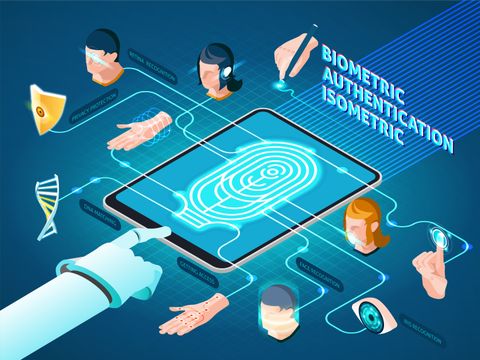
- Biometric authentication.
- Laptop encryption software.
- Secure boot technologies.
- Endpoint detection tools.
- Cloud endpoint security platforms.
Greater Mobility
Professional laptops allow users to access applications, documents, and communication tools from multiple locations.
Better Collaboration
Integrated microphones, high-definition cameras, and AI-assisted conferencing features support virtual meetings and remote teamwork.
Centralized Device Management
Organizations can monitor, update, and manage devices through enterprise management systems.
The chart below illustrates the relative importance of common professional laptop capabilities.
| Capability | Estimated Organizational Priority (%) |
| Security Features | 35 |
| Performance | 25 |
| Mobility | 20 |
| Collaboration Tools | 12 |
| AI Features | 8 |
Professional laptops are widely used in:
- Corporate offices.
- Educational institutions.
- Financial organizations.
- Healthcare facilities.
- Research environments.
- Government agencies.
- Creative industries.
Top 5 Leading Provider Company Names
Several global technology companies are recognized for their contributions to professional computing and enterprise technology.
- Lenovo
- Dell Technologies
- HP Inc.
- Apple Inc.
- Microsoft Corporation
These companies develop a broad range of professional laptops, AI integrated PCs, enterprise security technologies, and workplace computing solutions.
Recent Updates and Industry Trends
The professional laptop market has experienced significant developments over the past year.
Expansion of AI Integrated PCs (2025–2026)
Throughout 2025 and early 2026, major manufacturers introduced additional AI integrated PCs equipped with dedicated neural processing units designed to accelerate artificial intelligence workloads.
Increased Focus on On-Device AI
Recent product announcements emphasize local AI processing to improve privacy, reduce latency, and support productivity applications without relying entirely on cloud infrastructure.
Growth in Cloud Endpoint Security
Organizations continue expanding cloud endpoint security adoption as hybrid work environments remain widespread. Endpoint monitoring and zero-trust architectures have become increasingly common.
Enhanced Cybersecurity Features
Manufacturers have introduced improved hardware security technologies, including firmware protection, secure enclaves, and advanced biometric authentication systems.
Sustainability Initiatives
Many laptop manufacturers reported increased use of recycled materials and energy-efficient components during 2025 as part of broader environmental objectives.
Laws and Policies Affecting Professional Laptops
Professional laptops are influenced by numerous legal and regulatory frameworks.
Data Protection Regulations
Many countries enforce laws governing personal information processing and digital privacy. Examples include:
- General Data Protection Regulation (GDPR) in Europe.
- Digital Personal Data Protection Act (DPDP Act) in India.
- California Consumer Privacy Act (CCPA) in the United States.
These regulations affect how organizations secure devices and manage data.
Cybersecurity Standards
Organizations often implement cybersecurity frameworks such as:
- ISO/IEC 27001.
- NIST Cybersecurity Framework.
- Zero Trust Architecture guidance.
These standards influence cybersecurity for laptops and endpoint protection practices.
Government Digital Security Programs
Governments worldwide continue expanding cybersecurity awareness initiatives, digital resilience programs, and national cyber strategies that encourage secure computing practices.
Environmental Compliance Requirements
Professional laptop manufacturers frequently comply with regulations governing electronic waste, hazardous substances, and energy efficiency.
Helpful Tools and Resources
Various tools and resources support secure and efficient professional laptop usage.
Security and Protection Tools
- Laptop encryption software.
- Password managers.
- Multi-factor authentication applications.
- Cloud endpoint security platforms.
- Device health monitoring utilities.
Productivity Applications
- Document collaboration platforms.
- Project management applications.
- Secure communication tools.
- Cloud storage platforms.
Educational Resources
- Cybersecurity awareness portals.
- Technology training platforms.
- Enterprise security documentation.
- Digital privacy guides.
The following table summarizes useful resources.
| Resource Category | Purpose |
| Password Managers | Credential protection |
| Encryption Tools | Data confidentiality |
| Endpoint Security Platforms | Device monitoring |
| Collaboration Software | Team productivity |
| Training Portals | Cybersecurity education |
Frequently Asked Questions
What is the difference between consumer and professional laptops?
Professional laptops generally prioritize security, durability, manageability, and long-term reliability, whereas consumer laptops often emphasize entertainment and general-purpose use.
What are AI powered laptops?
AI powered laptops include specialized hardware that accelerates artificial intelligence tasks such as intelligent performance optimization, audio enhancement, and automated productivity features.
Why is cybersecurity for laptops important?
Cybersecurity for laptops helps protect sensitive information, reduces exposure to cyber threats, and supports secure access to digital resources.
What is cloud endpoint security?
Cloud endpoint security refers to security technologies that monitor, protect, and manage connected devices through cloud-based infrastructure.
How does laptop encryption software improve security?
Laptop encryption software protects stored information by converting data into unreadable formats that require authorized credentials for access.
Conclusion
Professional laptops have become essential tools for modern work, education, and digital collaboration. Advances in AI powered laptops, AI integrated PCs, cloud endpoint security, and laptop security solutions continue to reshape how individuals and organizations approach productivity and cybersecurity.
As digital transformation progresses, understanding technology fundamentals, cybersecurity for laptops, performance considerations, and evolving regulatory requirements will remain increasingly important. By staying informed about current trends, security practices, and available resources, users can make well-informed decisions regarding professional computing environments.
Informational Disclaimer: References to business laptop deals, technology packages, software subscriptions, security platforms, or computing solutions are provided solely for educational and informational purposes.