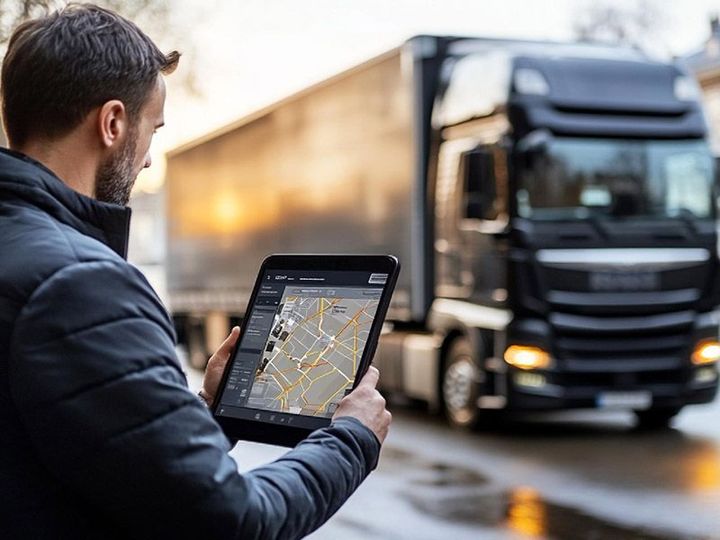
GPS Tracking & Fleet Management Solutions: Explore Guide, Tips, Insights, Advice, Facts, Knowledge, and Helpful Resources
GPS tracking and fleet management solutions are technologies used to monitor, manage, and optimize vehicles, drivers, routes, and transportation operations. These systems combine Global Positioning System (GPS) technology, telematics software, vehicle diagnostics, cloud-based analytics, and reporting tools to provide visibility into fleet activities.
These solutions were developed to address the growing need for better visibility over transportation activities. As businesses expanded their delivery networks and transportation operations, manually tracking vehicles became difficult and inefficient. GPS-based technologies emerged as a practical way to improve operational awareness, increase accountability, and support informed decision-making.
Today, GPS tracking is used across industries such as logistics, transportation, construction, utilities, public services, field operations, and passenger transportation. It provides location data, route histories, and performance insights that help organizations understand how their vehicles are being used.
Why GPS Tracking and Fleet Management Matter
The transportation sector has become increasingly dependent on data-driven decision-making. GPS tracking and fleet management systems provide information that can help organizations improve planning, monitor assets, and maintain operational efficiency.
Some of the key areas where these solutions provide value include:
• Route optimization and navigation support
• Vehicle utilization monitoring
• Fuel consumption analysis
• Driver behavior assessment
• Maintenance scheduling and record management
• Asset tracking and security monitoring
• Regulatory compliance reporting
• Operational performance measurement
The technology affects a wide range of stakeholders, including transportation companies, delivery providers, public transportation agencies, utility organizations, construction firms, and educational institutions that operate vehicle fleets.
By providing real-time and historical data, fleet management systems help address challenges such as inefficient routing, unexpected downtime, poor vehicle visibility, maintenance delays, and limited operational oversight.
Fleet Management Components Overview
| Component | Primary Function | Typical Data Collected |
|---|---|---|
| GPS Tracking | Vehicle location monitoring | Coordinates, routes, speed |
| Telematics | Vehicle diagnostics | Engine data, fuel usage |
| Driver Monitoring | Driver performance insights | Braking, acceleration, idling |
| Maintenance Management | Vehicle health tracking | Service records, alerts |
| Reporting Systems | Performance analysis | Operational metrics |
| Asset Tracking | Equipment visibility | Location and movement data |
Recent Updates and Industry Trends
GPS tracking and fleet management technologies have evolved significantly during the past year. Several notable developments have influenced the industry.
In 2025 and early 2026, artificial intelligence and predictive analytics became more integrated into fleet management platforms. Organizations increasingly adopted systems capable of identifying maintenance patterns, route inefficiencies, and operational risks through automated analysis.
Cloud-based fleet management solutions also continued gaining popularity. These platforms allow fleet managers to access information from multiple locations and devices without relying on locally installed software.
Electric vehicle fleet management became another important trend. As organizations expanded electric vehicle adoption, fleet management systems introduced specialized monitoring features for battery performance, charging schedules, energy consumption, and charging infrastructure utilization.
Cybersecurity has received increased attention as connected vehicle technologies continue to expand. Industry experts have emphasized stronger security controls for telematics systems, connected devices, and vehicle data platforms throughout 2025 and 2026.
Another notable development has been the growth of video telematics. These systems combine GPS tracking with camera technology and advanced analytics to provide additional operational insights and safety monitoring capabilities.
Fleet Technology Evolution
| Period | Primary Focus |
| Early GPS Tracking | Basic location monitoring |
| Telematics Expansion | Vehicle diagnostics |
| Cloud Integration | Centralized data access |
| AI Adoption (2025–2026) | Predictive analytics |
| Connected Fleet Era | Real-time operational intelligence |
Laws, Regulations, and Policy Considerations
GPS tracking and fleet management solutions are often influenced by transportation regulations, privacy laws, and data protection requirements.
Organizations operating vehicle fleets typically need to consider:
• Driver privacy regulations
• Data protection requirements
• Commercial transportation reporting standards
• Vehicle safety regulations
• Electronic record-keeping requirements
• Environmental reporting programs
Many countries have strengthened data privacy frameworks in recent years. These regulations often require organizations to clearly communicate how location and vehicle data are collected, stored, processed, and protected.
Transportation authorities may also establish rules regarding electronic logging, vehicle inspections, maintenance documentation, and operational reporting. Fleet management platforms are frequently used to help maintain records that support compliance activities.
Environmental policies have also become increasingly relevant. Governments worldwide continue introducing programs focused on emissions monitoring, fuel efficiency improvements, and sustainable transportation practices. Fleet management technologies can assist organizations in tracking performance indicators related to these objectives.
Organizations should regularly review transportation regulations and data governance requirements applicable to their region and industry sector.
Helpful Tools and Resources
A variety of digital tools and resources support GPS tracking and fleet management activities.
Common categories include:
• GPS route planning platforms
• Fleet analytics dashboards
• Vehicle maintenance tracking applications
• Driver behavior monitoring systems
• Fuel management software
• Asset tracking platforms
• Geofencing tools
• Mileage reporting calculators
• Vehicle inspection templates
• Maintenance scheduling tools
Useful resources for learning include:
• Transportation industry publications
• Fleet management research reports
• Government transportation departments
• Vehicle telematics documentation
• Geographic information system (GIS) resources
• Data analytics learning platforms
• Fleet operations best-practice guides
Common Fleet Metrics
Organizations often monitor the following metrics:
| Metric | Purpose |
| Fleet Utilization Rate | Measures vehicle usage efficiency |
| Fuel Efficiency | Tracks fuel performance |
| Vehicle Downtime | Measures operational interruptions |
| Maintenance Frequency | Tracks service requirements |
| Route Efficiency | Evaluates travel optimization |
| Driver Performance Score | Assesses driving behavior |
| Asset Availability | Measures fleet readiness |
Frequently Asked Questions
What is GPS tracking?
GPS tracking is a technology that uses satellite signals to determine and report the location of a vehicle, asset, or device. The information can be viewed in real time or analyzed later through historical reports.
What is fleet management?
Fleet management is the process of overseeing vehicles, drivers, maintenance activities, fuel usage, operational performance, and transportation-related resources through structured management practices and technology platforms.
How does telematics differ from GPS tracking?
GPS tracking primarily focuses on location information. Telematics combines GPS data with vehicle diagnostics, performance metrics, engine information, fuel usage data, and operational analytics.
Can GPS tracking improve operational efficiency?
GPS tracking can provide visibility into routes, travel patterns, vehicle utilization, and operational performance. Organizations often use these insights to support planning, scheduling, and resource allocation decisions.
Why is vehicle maintenance tracking important?
Maintenance tracking helps organizations monitor service schedules, identify recurring issues, document repairs, and reduce the likelihood of unexpected vehicle downtime.
What is geofencing?
Geofencing is a technology that creates virtual geographic boundaries around specific locations. Alerts can be generated when vehicles enter or leave designated areas.
Conclusion
GPS tracking and fleet management solutions have become important components of modern transportation operations. By combining location tracking, telematics, analytics, maintenance monitoring, and operational reporting, these technologies provide valuable insights into vehicle performance and fleet activities.
Recent advancements in artificial intelligence, cloud computing, connected vehicle systems, electric vehicle management, and cybersecurity continue shaping the future of fleet technology. At the same time, evolving regulations related to privacy, transportation compliance, and environmental reporting influence how organizations implement and manage these systems.
For organizations seeking to improve operational visibility, understand vehicle performance, support compliance activities, and enhance transportation planning, GPS tracking and fleet management technologies remain valuable tools in an increasingly data-driven transportation environment.
High-value informational topics associated with this field include fleet management software, GPS vehicle tracking, telematics systems, transportation analytics, route optimization, vehicle monitoring, asset tracking technology, fleet compliance management, predictive maintenance analytics, driver behavior monitoring, logistics technology solutions, connected vehicle platforms, fuel management analytics, commercial vehicle tracking, and transportation data management.