Glass Manufacturers in China: What Every Buyer Should Know Before Choosing
Glass manufacturing involves converting raw materials into glass products through melting, forming, cooling, and processing. Common raw materials include silica sand, soda ash, limestone, and other ingredients selected according to the required glass composition.
China has manufacturers covering several stages of this process. Some companies specialise in producing large sheets of raw flat glass, while others process glass through cutting, tempering, laminating, coating, polishing, and shaping.
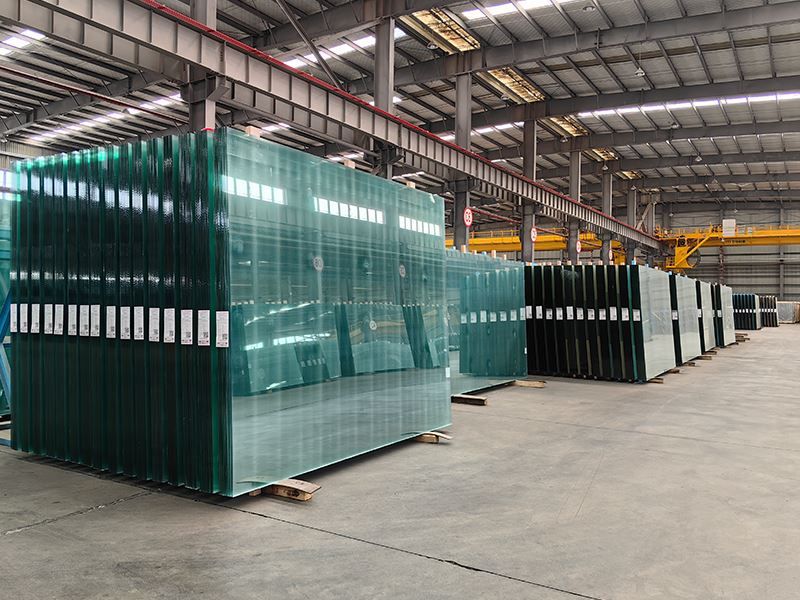
The finished products are used in buildings, vehicles, solar panels, electronic equipment, household products, and industrial machinery.
What Products Do Chinese Glass Manufacturers Produce?
Common product categories include:
Float glass: Flat glass with smooth surfaces, commonly used as a base material for further processing.
Tempered glass: Heat-treated glass designed to have greater mechanical strength than ordinary annealed glass.
Laminated glass: Glass layers bonded using an interlayer, commonly used in safety glazing.
Insulated glass: Two or more glass panes separated by a sealed space to support thermal and acoustic performance.
Low-E glass: Glass with a low-emissivity coating designed to influence heat transfer and energy performance.
Automotive glass: Specialised glass used in vehicle windshields, windows, and other glazing components.
Solar glass: Glass designed for photovoltaic modules and solar energy applications.
Decorative glass: Patterned, tinted, frosted, or printed glass used in interiors and architectural designs.
How Does Glass Manufacturing Work?
The production process depends on the glass category, but many manufacturing operations follow a similar sequence:
Raw material preparation: Ingredients are measured and mixed according to the required glass composition.
Melting: The prepared mixture is heated in a furnace until it becomes molten glass.
Forming: The molten material is shaped into sheets, containers, or other required forms.
Annealing: Controlled cooling helps reduce internal stresses.
Cutting and processing: Glass is cut, polished, drilled, coated, or shaped according to specifications.
Quality inspection: Products are checked for dimensions, surface defects, and other technical requirements.
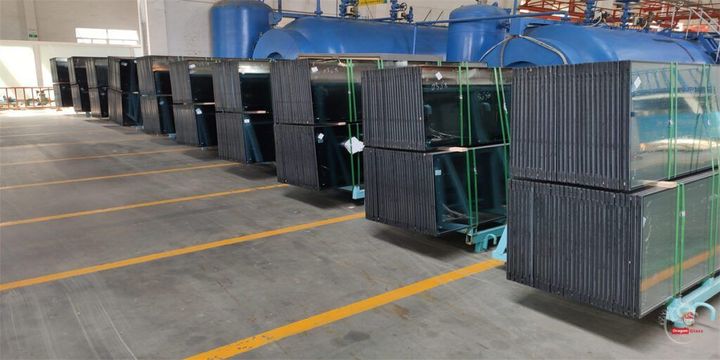
Packaging: Finished glass is protected using suitable packing materials before storage or transportation.
Why Is China Important in the Global Glass Industry?
China has an extensive industrial manufacturing base, established raw material supply networks, and specialised glass processing facilities. These factors support the production of different glass categories for domestic and international markets.
Which Industries Depend on Chinese Glass Manufacturers?
Several industries use glass produced in China:
Construction: Architectural glass is used in windows, doors, façades, partitions, and building interiors.
Automotive: Vehicle manufacturers use specialised glass for windshields, side windows, and rear windows.
Solar energy: Photovoltaic glass forms part of solar panel manufacturing.
Furniture: Glass is used in tables, cabinets, shelves, and decorative products.
Electronics: Specialised glass is used in display panels and electronic equipment.
Food and beverages: Glass containers are used for packaging selected food and beverage products.
Industrial equipment: Glass components are used in machinery, instruments, and specialised manufacturing systems.
Which Chinese Glass Companies Are Known in the Industry?
Several established companies operate in different segments of China's glass industry.
CSG Holding: Operates across float glass, architectural glass, solar glass, and other specialised glass products.
Xinyi Glass: Has activities in float glass, automotive glass, and architectural glass.
Kibing Group: Has manufacturing operations involving float glass, photovoltaic glass, and other glass categories.
Fuyao Glass: Focuses primarily on automotive glass and related vehicle glazing products.
These companies have different product portfolios and manufacturing capabilities. Their names should be treated as starting points for industry research rather than automatic recommendations. Product availability, export arrangements, and technical suitability should be confirmed directly.
Recent Developments in China's Glass Manufacturing Industry
China's glass industry continues to develop through investments in production technology, energy efficiency, specialised coatings, and automated processing.
How Is Technology Changing Glass Manufacturing?
Modern production facilities increasingly use automated equipment and digital monitoring systems.
Important developments include:
Automated cutting: Computer-controlled cutting systems help process glass according to programmed dimensions.
Advanced tempering: Controlled heating and cooling processes support the production of strengthened glass.
Coating technology: Specialised coatings are used to modify solar, thermal, and optical properties.
Robotic handling: Automated equipment helps move large glass sheets through production stages.
Digital inspection: Cameras and sensors help identify selected surface and dimensional defects.
Energy management: Manufacturers are examining furnace efficiency and energy consumption during production.
What Are the Emerging Trends?
Several areas are receiving attention across the industry.
Energy-efficient architectural glass is relevant to buildings designed to manage heat transfer and natural lighting. Photovoltaic glass is connected to solar energy production, while specialised electronic glass supports display and technology applications.
Manufacturers are also exploring production methods that reduce material waste and improve the use of energy and resources. The actual availability and performance of these technologies vary by factory and product category.
Glass Manufacturing Standards and Import Regulations
Glass products supplied internationally may need to meet technical, safety, environmental, and packaging requirements. These requirements depend on the destination country and intended application.
Which Standards Are Relevant to Glass Products?
Commonly referenced standards and regulatory frameworks include:
ISO 9001: Covers quality management systems within an organisation.
ISO 14001: Relates to environmental management systems.
EN 12150: Covers thermally toughened soda-lime silicate safety glass.
EN 14449: Relates to laminated glass and laminated safety glass.
ASTM standards: Provide technical requirements and testing methods for various glass products.
Bureau of Indian Standards (BIS): Publishes Indian standards relevant to selected glass products and applications.
A manufacturer's general certification does not automatically confirm that every product meets a particular technical standard. Importers should request documentation that applies to the specific product and production facility.
What Should Indian Importers Check?
Businesses importing glass into India should consider:
Applicable customs classification and import duties.
Current import policy requirements.
Relevant BIS standards and mandatory certification requirements, where applicable.
Product specifications and test documentation.
Country-of-origin and commercial shipping documents.
Packaging requirements for safe transportation.
Any applicable restrictions or trade measures.
Requirements can differ between architectural, automotive, solar, and other glass categories. Importers should verify current rules with the relevant Indian authorities or a qualified customs professional before shipment.
Types of Glass Products and Manufacturing Methods
Understanding glass categories helps importers identify which manufacturers have the appropriate production capabilities.
What Are the Main Types of Industrial Glass?
Glass type | Main characteristics | Common applications |
|---|---|---|
Float glass | Smooth, flat glass sheets | Windows and further processing |
Tempered glass | Heat-treated for increased strength | Doors, partitions, and vehicle windows |
Laminated glass | Multiple layers bonded with an interlayer | Safety glazing and windshields |
Insulated glass | Multiple panes separated by a sealed space | Energy-efficient windows |
Low-E glass | Special coating controls heat transfer | Building façades and windows |
Solar glass | Designed for photovoltaic applications | Solar panels |
Patterned glass | Textured surface design | Decorative partitions and interiors |
Borosilicate glass | Designed for particular thermal and chemical conditions | Laboratory and industrial equipment |
Float Glass vs Tempered Glass: What Is the Difference?
Float glass is produced as a flat sheet and can be used as a base material for additional processing. Tempered glass is created through a controlled heat-treatment process that changes its mechanical properties.
Comparison | Float glass | Tempered glass |
|---|---|---|
Manufacturing | Formed into flat sheets | Heat-treated after forming |
Strength | Standard annealed glass properties | Greater mechanical strength |
Breakage | Can break into larger sharp fragments | Generally breaks into smaller fragments |
Processing | Can be cut and processed before tempering | Cutting and drilling must generally happen before tempering |
Applications | General glazing and further fabrication | Safety glazing applications |
What Should Importers Compare Before Choosing a Manufacturer?
A structured comparison can help identify differences between suppliers.
Evaluation factor | What to examine |
|---|---|
Product range | Types, thicknesses, sizes, and finishes |
Manufacturing capability | In-house production and processing equipment |
Quality control | Inspection methods and testing procedures |
Certifications | Product-specific and facility documentation |
Production capacity | Available output and order requirements |
Packaging | Protective materials and export packing methods |
Export experience | Previous international shipment experience |
Communication | Technical support and order coordination |
Tools and Resources for Evaluating Glass Manufacturers
Technical and trade resources help importers understand suppliers, product specifications, and international requirements.
Which Resources Can Help With Glass Sourcing?
Common resources include:
China National Enterprise Credit Information Publicity System: Helps examine registered company information in China.
International Organization for Standardization (ISO): Provides information about management system standards.
Bureau of Indian Standards: Helps identify relevant Indian product standards.
China Customs: Provides information related to Chinese customs procedures and trade requirements.
Manufacturer product catalogues: Explain available glass categories, dimensions, thicknesses, and processing capabilities.
Independent inspection organisations: Can conduct factory assessments and product inspections according to an agreed inspection plan.
What Documents Should Importers Request?
Before confirming an order, importers should review:
Company registration information.
Product technical datasheets.
Relevant quality certificates.
Test reports and inspection records.
Approved product samples.
Final drawings and dimensional specifications.
Packaging details.
Commercial invoice and packing list.
Shipping and export documentation.
A factory visit or live video inspection can also help clarify whether the supplier operates its own production facilities or works with external manufacturers.
Frequently Asked Questions About Glass Manufacturers in China
1. What Products Do Glass Manufacturers in China Produce?
They produce float glass, tempered glass, laminated glass, insulated glass, automotive glass, solar glass, decorative glass, and specialised industrial products.
2. Which Chinese Companies Manufacture Industrial Glass?
Companies such as CSG Holding, Xinyi Glass, and Kibing Group operate in several glass manufacturing segments. Fuyao Glass is particularly associated with automotive glass.
3. How Can Importers Evaluate Glass Manufacturers in China?
Importers can examine company registration, production facilities, product specifications, quality documents, inspection procedures, export experience, and packaging arrangements.
4. What Is the Difference Between Float Glass and Tempered Glass?
Float glass is formed into flat sheets, while tempered glass undergoes controlled heat treatment to increase its mechanical strength and change its breakage behaviour.
5. What Documents Are Needed When Importing Glass From China to India?
Common documents include commercial invoices, packing lists, shipping documents, product specifications, and applicable certificates or test reports. Additional requirements depend on the glass category and current Indian import regulations.
Conclusion
Glass Manufacturers in China supply a wide range of products for construction, automotive, solar energy, furniture, and industrial applications. Their manufacturing capabilities vary from basic float glass production to specialised processing and finished glass products. Importers should examine product specifications, quality documentation, production capabilities, and export arrangements before selecting a supplier. Understanding these factors helps create a clearer sourcing process and reduces the risk of specification and shipment problems.