Gear Grinding Machine: A Complete Guide to Precision Gear Manufacturing
A gear grinding machine is an industrial machine tool used to improve the accuracy, surface finish, and dimensional quality of gears after the initial gear manufacturing process. Grinding is generally considered a finishing operation because it removes a relatively small amount of material while producing highly accurate gear teeth.
Gears are used in many mechanical systems, including automotive transmissions, industrial equipment, robotics, aerospace systems, wind turbines, pumps, compressors, and other power transmission applications. Because gear performance depends heavily on tooth geometry and surface quality, precision machining processes such as gear grinding are important in modern manufacturing.
Modern gear grinding machines can incorporate CNC technology, automated workholding, electronic measurement systems, and sophisticated control software. These technologies allow manufacturers to maintain consistent machining parameters and produce gears with tight dimensional tolerances.
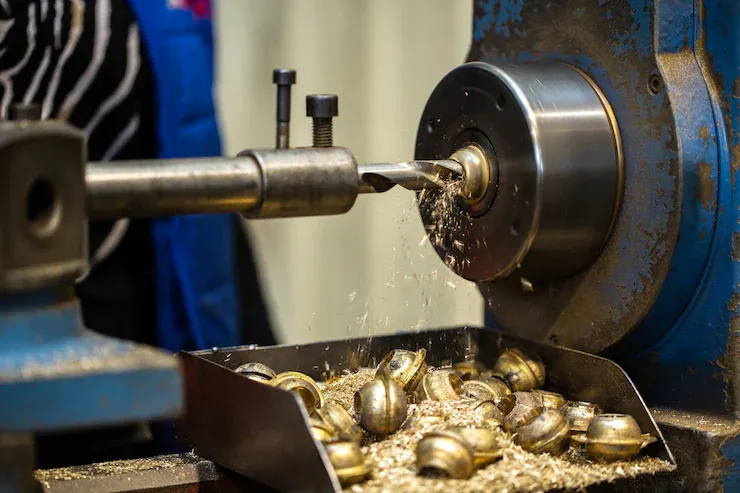
Why Is Gear Grinding Important?
The performance of a gear depends on several factors, including tooth profile, pitch accuracy, alignment, surface finish, and dimensional consistency. Small variations in these characteristics can influence noise, vibration, efficiency, wear, and service life.
Gear grinding is often used when a higher level of precision is required than can normally be achieved through earlier cutting operations. The process can correct certain dimensional and geometric errors while creating a smoother tooth surface.
In precision engineering, better surface quality can also help reduce friction and improve the interaction between mating gear teeth. This is particularly important in applications where gears operate at high rotational speeds or transmit substantial loads.
How Does a Gear Grinding Machine Work?
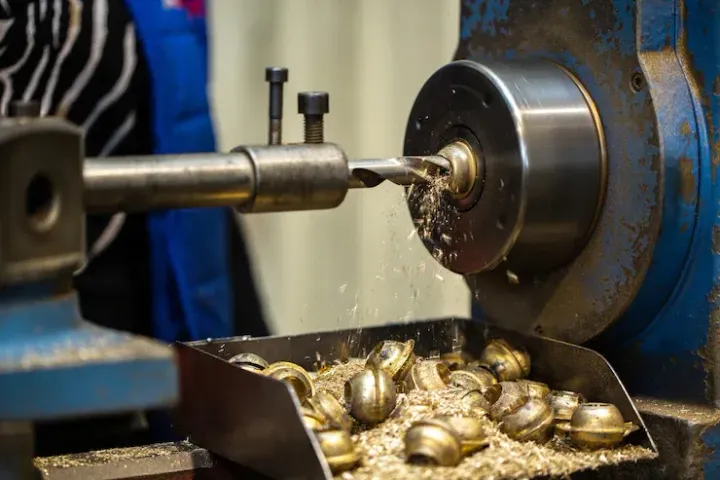
The basic principle of gear grinding involves using an abrasive grinding tool to remove a controlled amount of material from the gear teeth. The gear and grinding tool rotate according to a precisely calculated relationship.
The machine controls the relative movement between the workpiece and grinding wheel. Depending on the machine design and grinding method, the tool can follow the geometry of the gear tooth while gradually removing material.
CNC controls allow manufacturers to program important machining parameters, including grinding speed, feed movement, dressing cycles, tooth geometry, and other process variables. Sensors and measurement systems can also be integrated into advanced machines for process monitoring and quality control.
Gear Preparation Before Grinding
Before grinding, the gear normally undergoes earlier manufacturing operations such as forging, turning, hobbing, shaping, or another gear-cutting process. Heat treatment may also be performed to provide the required material properties.
The grinding operation then focuses on achieving the final dimensional and surface requirements. Proper preparation is important because excessive material variation or distortion can affect grinding performance.
Grinding Wheel and Dressing
The grinding wheel is one of the most important components of a gear grinding machine. Different abrasive materials, wheel specifications, and geometries may be selected according to the workpiece material and required finish.
Grinding wheels gradually change during operation. Wheel dressing is therefore used to restore the desired wheel geometry and cutting characteristics. Correct dressing can contribute to consistent grinding performance and dimensional accuracy.
Types of Gear Grinding Machines
Different gear geometries and production requirements have led to several types of gear grinding technologies. The appropriate machine depends on the gear design, production volume, accuracy requirements, material, and manufacturing process.
Generating Gear Grinding Machines
Generating grinding machines use a grinding tool that resembles the operating principle of a gear. The tool and workpiece rotate together in a controlled relationship.
This method is suitable for producing accurate gear tooth profiles and is widely associated with high-precision gear manufacturing.
Profile Gear Grinding Machines
Profile grinding machines use a grinding wheel that follows the specific profile of an individual gear tooth. This approach can provide high control over the tooth geometry.
Profile grinding can be useful for specialized gears, complex profiles, and applications where detailed control of tooth geometry is required.
CNC Gear Grinding Machines
CNC gear grinding machines use computerized numerical control to manage machine movements and grinding parameters. CNC technology can improve repeatability and make it easier to produce complex gear geometries.
Modern CNC machine tools may also integrate automatic tool management, measurement systems, digital process monitoring, and production data collection.
Internal Gear Grinding Machines
Internal gear grinding machines are designed for gears where the teeth are located on the inside diameter. Internal gears are commonly found in planetary transmission systems and other specialized mechanical assemblies.
The machine configuration must provide sufficient access and precise alignment between the grinding tool and internal tooth surface.
Gear Grinding Process
The gear grinding process generally involves several controlled stages. First, the workpiece is inspected to verify its dimensions and condition. The gear is then securely positioned in the machine.
The grinding wheel is prepared and dressed according to the required specifications. The machine is programmed with the appropriate machining parameters before grinding begins.
During grinding, the abrasive wheel removes a small amount of material from the gear teeth. Depending on the machine and process, multiple passes may be used to achieve the desired geometry and surface finish.
After grinding, the gear is inspected using precision measurement equipment. Measurements can include tooth profile, lead, pitch, runout, dimensional accuracy, and surface roughness.
Gear Grinding After Heat Treatment
Heat treatment is commonly used in gear manufacturing to modify material properties such as hardness, strength, and wear resistance. However, heat treatment can sometimes introduce dimensional changes or distortion.
Grinding can be used as a finishing operation after heat treatment to bring gear teeth closer to their required final geometry. This is one reason gear grinding is important for high-precision transmission components.
The grinding process must be carefully controlled because hardened gear materials can require specialized abrasive tools and appropriate machining parameters.
Applications of Gear Grinding Machines
Gear grinding machines are used across several industrial sectors where accurate power transmission is required. The automotive industry uses precision gears in transmissions, differentials, steering systems, and other drivetrain components.
Industrial machinery manufacturers use ground gears in reducers, gearboxes, compressors, pumps, material-handling systems, and production equipment. Aerospace applications can require highly controlled gear geometry because transmission components may operate under demanding conditions.
Renewable energy equipment is another important application area. Wind turbines, for example, use large gear systems that require careful manufacturing and inspection to support reliable power transmission.
Robotics and industrial automation systems can also use precision gears where controlled movement, positioning accuracy, and repeatability are important.
Advantages of Gear Grinding
One of the main advantages of gear grinding is its ability to produce highly accurate gear tooth geometry. The process can provide a fine surface finish and help achieve tight dimensional requirements.
Gear grinding is also useful for hardened gear materials that may be difficult to finish using conventional cutting processes. CNC control can further improve process repeatability when the machine is correctly configured.
Another advantage is the ability to support demanding gear applications where noise, vibration, efficiency, and durability are important considerations.
Gear Grinding vs Gear Hobbing
Gear grinding and gear hobbing perform different roles in gear manufacturing. Hobbing is primarily a gear-cutting process used to generate gear teeth, while grinding is generally used as a finishing process.
Hobbing can efficiently produce gear teeth during earlier manufacturing stages. Gear grinding, on the other hand, is commonly selected when greater dimensional accuracy and surface quality are required.
In many manufacturing processes, these technologies complement each other rather than directly replacing one another.
Factors to Consider When Selecting a Gear Grinding Machine
Selecting industrial machinery requires consideration of the intended application and manufacturing requirements. Gear size is an important factor because the machine must accommodate the required workpiece dimensions.
The type of gear, tooth geometry, material hardness, required accuracy, surface finish, production volume, and automation requirements should also be evaluated.
CNC capabilities can be important for manufacturers producing different gear designs. Measurement and inspection capabilities are also relevant because accurate verification is necessary for precision gear manufacturing.
Maintenance requirements, machine rigidity, grinding wheel compatibility, control systems, and operator requirements can further influence machine selection.
Gear Grinding Machine Maintenance
Regular maintenance helps maintain machine accuracy and consistent production performance. Grinding machines should be inspected according to the manufacturer's maintenance schedule.
Important areas can include lubrication systems, grinding wheel assemblies, machine guides, workholding systems, coolant systems, sensors, and CNC control components.
Grinding coolant should also be properly managed because temperature control can influence dimensional stability and grinding performance. Contamination or poor coolant management can affect both machine components and finished gear quality.
Quality Control in Gear Manufacturing
Quality control is an important part of precision gear manufacturing. A gear may be inspected using specialized gear measurement equipment designed to evaluate tooth geometry and dimensional characteristics.
Common inspection parameters include tooth profile, tooth lead, pitch variation, runout, concentricity, and surface roughness. The specific measurements depend on the gear design and application requirements.
Modern manufacturing facilities may combine CNC machining with automated inspection systems. This can help manufacturers identify process variation and maintain consistent production quality.
Latest Trends in Gear Grinding Technology
The development of CNC machine tools has significantly influenced modern gear manufacturing. Advanced machines increasingly combine precision motion control with automated measurement and digital process monitoring.
Automation is another important trend. Automated loading and unloading systems can reduce manual handling and help connect gear grinding operations with broader manufacturing lines.
Data collection and digital manufacturing technologies are also becoming more common. Production information can be used to analyze machine performance, identify process variations, and support predictive maintenance strategies.
Another trend is the development of grinding technologies capable of processing increasingly complex gear geometries while maintaining high levels of accuracy.
Future of Gear Grinding Machines
The future of gear grinding is closely connected with precision manufacturing, industrial automation, digital production, and advanced CNC technology. Manufacturers are increasingly focused on improving accuracy while reducing production variation and energy consumption.
Smart manufacturing systems may allow machines, inspection equipment, and production-management systems to exchange information in real time. Such integration can support better process monitoring and manufacturing efficiency.
As electric vehicles, robotics, renewable energy systems, aerospace equipment, and automated machinery continue to develop, the requirements for precision power transmission components are also evolving.
Conclusion
Gear grinding machines play an important role in precision gear manufacturing. By removing small amounts of material from gear teeth, these machines can improve tooth geometry, dimensional accuracy, and surface finish.
CNC gear grinding technology has expanded the capabilities of modern machine tools by providing controlled movement, repeatability, and support for complex gear designs. Applications range from automotive transmissions and industrial gearboxes to robotics, aerospace systems, and renewable energy equipment.
Understanding the different types of gear grinding machines, grinding methods, quality-control requirements, and maintenance considerations can help manufacturers better evaluate the role of precision grinding within a modern gear manufacturing process.