FIFA World Cup 2026 Explained: Explore Guide, Tips, Insights, Advice, Suggestions, Overview, Basics, and Information
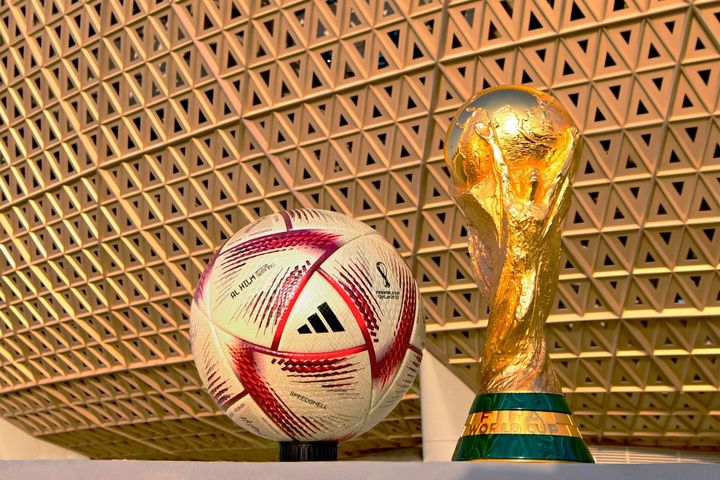
The FIFA World Cup 2026 is one of the most significant international sporting events in modern football history. Organized by the governing body of world football, FIFA, the tournament brings together national teams from around the globe to compete for the sport's most prestigious trophy.
The 2026 edition stands out because it introduces the largest tournament structure ever used in a FIFA World Cup. It is also the first World Cup to be jointly hosted by three countries and the first to feature 48 participating national teams instead of 32. These changes aim to increase global participation, improve representation across continents, and create more opportunities for emerging football nations.
Overview of FIFA World Cup 2026
| Category | Information |
|---|---|
| Tournament | FIFA World Cup 2026 |
| Hosts | Canada, Mexico, United States |
| Teams | 48 National Teams |
| Match Count | 104 Matches |
| Tournament Dates | June 11 – July 19, 2026 |
| Host Cities | 16 Cities |
| Final Venue | New York New Jersey Stadium |
| Organizer | FIFA |
The tournament will span more cities, stadiums, and participating nations than any previous World Cup.
Why the FIFA World Cup 2026 Matters
The World Cup is more than a football competition. It serves as a global platform for cultural exchange, international cooperation, tourism development, sports innovation, and economic activity.
For football associations, the expanded tournament creates additional qualification opportunities. Smaller football nations that previously struggled to reach the World Cup now have a greater chance of participating on the global stage.
The event also affects:
- National football federations
- Players and coaching staff
- Broadcasters and media organizations
- Sports technology providers
- Stadium management authorities
- Tourism and transportation sectors
- Sports analytics and performance researchers
The expanded format is expected to encourage football development programs in many regions while increasing international exposure for emerging teams.
Participation Growth Comparison
| Tournament Year | Teams | Matches |
| 2018 | 32 | 64 |
| 2022 | 32 | 64 |
| 2026 | 48 | 104 |
This growth demonstrates FIFA's objective of broadening international participation and creating a more inclusive tournament structure.
Recent Updates and Developments
The past year has seen several important developments related to the FIFA World Cup 2026.
In June 2026, FIFA confirmed the completion of team qualification and finalized tournament preparations. The event officially began on June 11, 2026, with participating nations arriving across host cities.
Several nations qualified for the World Cup for the first time in their history, highlighting the impact of the expanded 48-team format. New participants include countries that previously found qualification extremely difficult under the older structure.
Another major development was the implementation of the new competition format featuring:
- 12 groups of four teams
- Round of 32 knockout stage
- Additional qualification opportunities
- Increased total matches
FIFA also introduced official tournament mascots during 2025, representing each host nation and emphasizing cultural diversity across the event.
Tournament planning has additionally focused on transportation systems, referee appointments, stadium readiness, digital ticketing technologies, and fan engagement platforms.
Understanding the New Tournament Format
One of the most discussed aspects of FIFA World Cup 2026 is the revised competition structure.
The new format can be summarized as follows:
| Stage | Details |
| Group Stage | 12 Groups of 4 Teams |
| Automatic Advancement | Top 2 Teams from Each Group |
| Additional Advancement | 8 Best Third-Place Teams |
| Knockout Stage | Round of 32 |
| Final Stage | Championship Match |
This system increases the number of competitive matches while maintaining fairness and competitive balance.
Tournament Structure Visualization
48 Teams
    │
12 Groups
    │
Top 24 Teams
+
8 Best Third-Place Teams
    │
Round of 32
    │
Round of 16
    │
Quarterfinals
    │
Semifinals
    │
Final
The champion may need to play up to eight matches to win the tournament, making endurance, squad depth, and strategic planning increasingly important.
Laws, Regulations, and Governance
The FIFA World Cup operates under regulations established by FIFA and supported by agreements with host governments and football associations.
Key regulatory areas include:
- Player eligibility requirements
- International transfer and registration rules
- Anti-doping regulations
- Match officiating standards
- Stadium safety protocols
- Security coordination measures
- Broadcasting and media rights regulations
- Fan conduct policies
Host nations also coordinate immigration procedures, customs arrangements, transportation systems, and public safety measures to support participating teams and international visitors.
Video Assistant Referee (VAR) technology continues to play an important role in match decision-making. FIFA has expanded referee and VAR appointments to support the larger tournament schedule.
Helpful Tools and Resources
Many digital resources can help fans, researchers, journalists, and football enthusiasts follow the tournament effectively.
Useful resources include:
- Official FIFA tournament website
- Match schedule planners
- Stadium location maps
- Sports analytics platforms
- Live score applications
- Team statistics databases
- Tournament bracket generators
- Travel planning platforms
- Football performance analysis tools
- Sports news applications
Common football analytics metrics include:
| Metric | Purpose |
| Possession % | Ball control analysis |
| Expected Goals (xG) | Scoring probability measurement |
| Pass Accuracy | Team passing efficiency |
| Shots on Target | Offensive effectiveness |
| Defensive Actions | Defensive performance tracking |
These resources help improve understanding of team performance and tournament trends.
Frequently Asked Questions
What makes FIFA World Cup 2026 different from previous tournaments?
The tournament expands from 32 teams to 48 teams, includes 104 matches, and is hosted jointly by Canada, Mexico, and the United States. It is the largest FIFA World Cup ever organized.
How many teams will participate?
A total of 48 national teams will compete in the tournament, compared with 32 teams in previous editions.
How does the new group-stage format work?
Twelve groups of four teams are formed. The top two teams from each group advance, along with the eight best third-place teams, creating a 32-team knockout bracket.
Why was the tournament expanded?
The expansion was designed to increase global representation, provide additional qualification opportunities, and support football development across more regions worldwide.
How many cities will host matches?
Sixteen host cities across the three host nations will stage matches throughout the tournament.
Conclusion
The FIFA World Cup 2026 represents a major milestone in the evolution of international football. With 48 participating nations, 104 matches, 16 host cities, and three host countries working together, the tournament introduces a new era of global football competition.
The expanded structure aims to improve inclusivity, increase international participation, and provide fans with more matches and broader representation from around the world. Recent developments, finalized tournament preparations, and the successful implementation of new competition formats demonstrate how FIFA continues adapting the World Cup to meet the changing demands of modern sport.
For football supporters, analysts, journalists, and sports enthusiasts, FIFA World Cup 2026 offers a unique opportunity to observe one of the most ambitious sporting events ever organized, while gaining insights into the future direction of international football.