Exploring Angel One and Zerodha: A Quick Guide for First-Time Investors
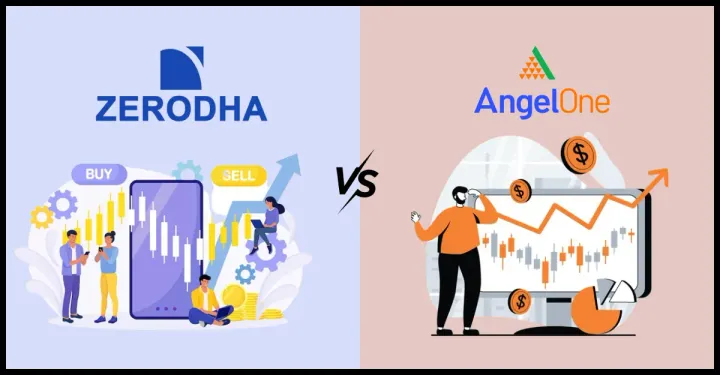
Angel One and Zerodha are two recognised stockbroking platforms in India that allow individuals to participate in the securities market.
Both provide trading and demat accounts, digital investment tools, and access to different financial instruments. They serve investors with different experience levels, from people beginning their investment journey to individuals who actively monitor market movements.
Angel One Limited operates under the Angel One brand, while Zerodha operates through Zerodha Broking Limited. Both are registered stockbrokers under the Securities and Exchange Board of India (SEBI). Their platforms differ in design, account features, pricing structures, and investment tools.
Understanding Angel One and Zerodha
Angel One provides a mobile application and web-based platform for managing investments and trading activity. Its features include stock investments, mutual funds, IPO applications, market research, charts, and derivatives trading.
Zerodha follows a technology-focused broking model through its Kite trading platform. Its wider ecosystem includes Console for account reporting, Coin for direct mutual fund investments, and Varsity for financial education.
Understanding Trading and Demat Accounts
A trading account connects an investor with recognised stock exchanges and allows market orders to be placed. A demat account holds securities electronically, while a linked bank account handles financial transfers.
These accounts generally form part of the onboarding process with both platforms. Applicants must complete identity verification and provide the required documents before account activation.
Importance
Understanding the differences between Angel One and Zerodha matters because selecting a stockbroker affects how investors access markets, monitor investments, and manage transactions. First-time investors may be unfamiliar with brokerage charges, annual account maintenance, order types, and market risks.
A clear comparison helps people understand the features and responsibilities associated with each platform.
Features That Matter to First-Time Investors
New investors may need straightforward navigation, portfolio tracking, educational material, market information, and clear transaction records. Angel One combines investment tools, research information, and account management within its platform.
Zerodha provides a separate ecosystem for trading, portfolio reporting, and financial education. Its Kite platform includes charts, watchlists, price alerts, and different order types.
Understanding Brokerage and Other Charges
Brokerage is only one part of the overall trading expense. Investors may also encounter Securities Transaction Tax (STT), exchange transaction charges, GST, stamp duty, depository participant charges, and account maintenance charges.
The following comparison provides an overview of the published standard brokerage structures:
| Category | Angel One | Zerodha |
|---|---|---|
| Equity delivery | ₹20 or 0.1%, whichever is lower, minimum ₹5 | ₹0 brokerage |
| Equity intraday | ₹20 or 0.1%, whichever is lower, minimum ₹5 | 0.03% or ₹20, whichever is lower |
| Futures | ₹20 per executed order | 0.03% or ₹20, whichever is lower |
| Options | ₹20 per executed order | ₹20 per executed order |
| Account maintenance | First-year waiver; later charges depend on account category | First-year waiver for eligible new resident individual accounts; later charges depend on account category |
These figures describe brokerage and selected account-maintenance terms, not the complete amount payable. Actual charges depend on applicable taxes, transaction volume, account classification, and current pricing schedules.
Recent Updates
Between 2024 and 2026, both platforms continued developing their digital trading environments, account features, and investment tools. Changes also reflected wider industry attention to digital accessibility, market information, and investor awareness.
Developments at Angel One
Angel One introduced changes to its pricing schedule during 2025. In 2026, its web platform introduced Trade One, bringing elements such as charts, watchlists, market depth, positions, and order information into a unified workspace.
The platform also introduced TradingView access and Scalper Mode. These developments provide additional charting and order-management features, particularly for users following short-term market activity.
Developments at Zerodha
Zerodha continued expanding its Kite platform with features such as GTT orders, basket orders, market alerts, and portfolio monitoring. Console provides account statements and performance information, while Varsity contains educational material about investing and market concepts.
Another account-related change introduced in 2026 concerns annual maintenance charges. Eligible new resident individual accounts opened from June 2026 receive a waiver for the first year on the primary demat account. Subsequent charges depend on account classification.
Laws or Policies
Stockbroking platforms in India operate under regulations established by SEBI and recognised stock exchanges. These rules cover investor identification, account documentation, transaction reporting, risk disclosures, and grievance handling.
SEBI Registration and KYC Requirements
Angel One Limited and Zerodha Broking Limited appear in SEBI's registered stockbroker records. Investors should verify the legal entity and registration details when opening an account.
The account-opening process generally requires:
PAN for tax identity verification.
Aadhaar or another accepted identity document.
Bank account details for payment verification.
Address and personal information required for KYC.
Income documentation when applying for eligible derivatives segments.
Applicants should review account agreements, tariff schedules, and risk disclosures before completing registration.
Investor Protection and Responsibilities
SEBI's Investor Charter explains the rights and responsibilities of investors. It includes access to account statements, transparent information, and formal grievance-handling procedures.
Investors can use SEBI's SCORES platform for eligible securities-market complaints. They should also protect login credentials, avoid sharing OTPs, and check transaction records regularly.
Tools and Resources
Both platforms provide digital tools that help users monitor market activity and understand their accounts. The purpose of each tool differs according to the activity being performed.
| Tool or resource | Purpose |
|---|---|
| Angel One App | Account monitoring and investment activity |
| Trade One | Web-based trading workspace |
| Zerodha Kite | Charts, orders, and market monitoring |
| Zerodha Console | Statements and portfolio reports |
| Zerodha Varsity | Financial education |
| Brokerage calculator | Estimates transaction-related charges |
| SEBI Investor Charter | Explains investor rights and responsibilities |
First-time investors may also maintain a personal investment record containing transaction dates, holdings, charges, and investment objectives. Reviewing these records helps them understand account activity and maintain financial discipline.
FAQs
What is the difference between Angel One and Zerodha?
Both are SEBI-registered stockbrokers, but their platform layouts, tools, account features, and brokerage structures differ. Angel One has an integrated investment and research environment, while Zerodha uses a connected platform ecosystem.
Are Angel One and Zerodha suitable for first-time investors?
Both provide account management and investment tools that individuals can explore. Suitability depends on a person's familiarity with trading, preferred interface, investment requirements, and understanding of financial risks.
What documents are required to open accounts?
Applicants generally need PAN, identity and address information, bank details, and completed KYC verification. Additional income documents may be required for derivatives activation.
Do Angel One and Zerodha charge annual maintenance fees?
Both have account-maintenance rules that depend on account classification. First-year waivers and subsequent BSDA or non-BSDA charges vary according to their published terms.
Can investors use both platforms?
Yes. Eligible individuals can maintain trading and demat accounts with multiple registered brokers. Each account has separate documentation, charges, and account-management requirements.
Conclusion
Angel One and Zerodha provide digital access to India's securities markets through trading and demat accounts. Their platforms differ in features, investment tools, brokerage structures, and account-management arrangements. Understanding these differences, along with SEBI regulations and market risks, helps first-time investors make informed decisions. Market participation still requires personal research, financial awareness, and careful planning.