Explore Wedding Photo Styles & Equipment: Complete Guide, Tips, Insights, and Essential Photography Knowledge
Wedding photography is a visual storytelling method that captures important moments, emotions, traditions, and celebrations during a wedding event. Over time, wedding photography has developed into multiple styles that focus on different artistic approaches, lighting techniques, editing methods, and camera technologies.
Modern wedding photography includes both traditional and contemporary methods. Some photographers focus on posed portraits, while others prefer candid documentary-style images. The use of advanced DSLR cameras, mirrorless photography systems, professional lighting equipment, and photo editing software has also changed how wedding memories are recorded and preserved.
Wedding photo styles exist because couples and families often want photographs that reflect their personal preferences, culture, atmosphere, and emotions. Different styles help photographers create a unique visual experience depending on the event setting, lighting conditions, and storytelling goals.
Common Wedding Photography Styles
| Photography Style | Main Characteristics | Common Equipment |
|---|---|---|
| Traditional Photography | Posed group photos and formal portraits | DSLR camera, tripod |
| Candid Photography | Natural moments without posing | Fast lens, mirrorless camera |
| Documentary Style | Story-focused event coverage | Lightweight camera setup |
| Fine Art Photography | Creative compositions and soft lighting | Prime lenses, editing software |
| Editorial Style | Fashion-inspired poses and dramatic lighting | Studio lighting equipment |
| Black and White Photography | Timeless monochrome images | Editing software tools |
Essential Wedding Photography Equipment
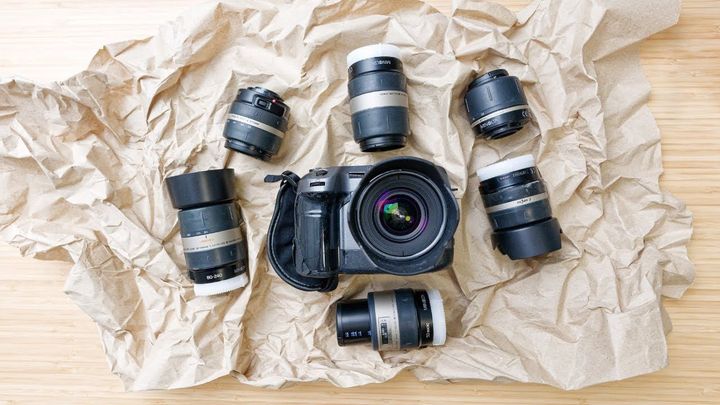
Photography equipment plays a major role in image quality, lighting balance, and motion capture. Modern wedding photography usually combines multiple devices and accessories for different shooting conditions.
Important equipment often includes:
- DSLR camera systems
- Mirrorless cameras
- Wide-angle lenses
- Prime portrait lenses
- External flash units
- Continuous LED lighting
- Camera stabilizers
- Memory cards and storage devices
- Battery backup systems
- Editing monitors and calibration tools
Mirrorless cameras have become increasingly popular because of lightweight designs, fast autofocus systems, and improved low-light performance. Many photographers now combine both mirrorless and DSLR systems depending on the event environment.
Why Wedding Photography Knowledge Matters Today
Wedding photography affects multiple groups, including photographers, event planners, families, digital creators, and photography learners. As social media platforms continue to grow, visual storytelling has become more important for preserving personal events and documenting cultural traditions.
Photography knowledge matters because weddings often involve fast-moving environments with changing lighting conditions, crowded venues, and emotional moments that cannot easily be recreated. Understanding composition, exposure settings, and lighting helps improve image consistency and storytelling quality.
The topic also matters because digital photography technology changes rapidly. Camera sensors, image stabilization systems, AI-powered editing software, and cloud storage tools continue to influence how wedding photographs are created and managed.
Main Challenges in Wedding Photography
| Challenge | Explanation |
|---|---|
| Low-Light Conditions | Indoor venues may require advanced lighting techniques |
| Fast Movement | Dances and ceremonies require quick shutter speeds |
| Data Storage | Large image files need organized backup systems |
| Weather Conditions | Outdoor weddings can affect equipment safety |
| Color Balance | Mixed lighting sources can impact skin tones |
Photography Trends and Recent Developments
The wedding photography industry has experienced several technological and creative changes during the past year.
In 2025, AI-assisted photo editing tools became more common in photography workflows. Many editing platforms introduced automated color correction, background cleanup, and facial enhancement features designed to reduce editing time.
Several major camera manufacturers also released updated mirrorless systems during 2025 with improved autofocus tracking and enhanced low-light image quality. These developments increased interest in lightweight camera systems for event photography.
Another recent trend involves cinematic wedding storytelling. Many photographers now combine still photography with short cinematic highlight videos optimized for social media platforms and digital albums.
Drone photography also continued growing in popularity during 2025, especially for outdoor weddings and destination events. Aerial photography provides wide-angle views of venues, landscapes, and group arrangements.
Photography Technology Trends
| Trend | Description | Year |
|---|---|---|
| AI Photo Editing | Automated retouching and color adjustments | 2025 |
| Cloud Image Storage | Online gallery and backup systems | 2025 |
| Drone Photography | Aerial wedding coverage | 2025 |
| 4K and 8K Hybrid Cameras | Combined photo and video capture | 2025 |
| Real-Time Image Sharing | Faster wireless transfer systems | 2025 |
Laws, Rules, and Photography Policies
Wedding photography can be affected by local regulations, venue policies, aviation rules, and copyright laws. Rules may vary depending on the country, venue type, and photography method used.
Drone photography, for example, is commonly regulated by aviation authorities. Drone operators may need registration, pilot certification, or permission before aerial photography near crowded venues or restricted areas.
Privacy regulations may also affect how wedding photographs are shared online. Some regions have stricter rules regarding consent for publishing identifiable images on websites or social media platforms.
Music licensing rules can also apply when wedding highlight videos use copyrighted songs during editing or public distribution.
Venue photography policies sometimes include restrictions related to:
- Flash photography during ceremonies
- Drone usage near guests
- Tripod placement in religious spaces
- Commercial photography permits
- Photography during official rituals
Photographers often review venue rules before events to avoid operational disruptions.
Helpful Photography Tools and Resources
Modern wedding photography relies on both hardware and software tools. Many resources help improve editing workflows, image organization, lighting management, and file backup security.
Popular Photography Software
| Tool Type | Main Purpose |
|---|---|
| Photo Editing Software | Color correction and retouching |
| RAW Image Processors | Advanced exposure adjustments |
| Cloud Storage Platforms | File backup and image sharing |
| Album Design Software | Wedding album layouts |
| AI Editing Tools | Automated enhancements |
| Lighting Calculators | Exposure and flash planning |
Useful Photography Resources
Helpful resources often include:
- Camera manufacturer learning centers
- Photography exposure calculators
- Online lighting simulators
- Lens comparison guides
- Color grading tutorials
- Photography community forums
- Cloud gallery platforms
- Metadata management tools
Some photographers also use calibration tools for monitors to improve color accuracy during editing. This helps maintain consistent skin tones and print quality.
Basic Camera Settings for Wedding Photography
| Camera Setting | Typical Purpose |
|---|---|
| Aperture | Controls background blur |
| Shutter Speed | Captures movement clearly |
| ISO | Adjusts low-light brightness |
| White Balance | Corrects lighting color |
| Autofocus Mode | Tracks moving subjects |
Understanding these settings helps photographers adapt to indoor halls, outdoor ceremonies, evening receptions, and changing weather conditions.
Frequently Asked Questions
What is the difference between candid and traditional wedding photography?
Traditional wedding photography mainly focuses on posed portraits and formal group arrangements. Candid photography captures natural moments and spontaneous emotions without direct posing.
Why are mirrorless cameras becoming popular for weddings?
Mirrorless cameras are often lighter, quieter, and equipped with advanced autofocus systems. Many photographers prefer them for long events and low-light performance.
Is lighting equipment important for wedding photography?
Yes. Lighting equipment helps improve image clarity, reduce shadows, and maintain consistent exposure during indoor ceremonies or evening receptions.
What are RAW image files in photography?
RAW files contain unprocessed image data directly from the camera sensor. They provide greater flexibility for editing exposure, colors, and details during post-processing.
Why do photographers use multiple lenses during weddings?
Different lenses are useful for portraits, wide venue shots, close-up details, and low-light scenes. Using multiple lenses helps photographers adapt to different environments and compositions.
Conclusion
Wedding photography combines artistic creativity, technical camera knowledge, lighting control, and digital editing techniques to document meaningful events. Different photography styles allow visual storytelling through portraits, candid moments, cinematic compositions, and documentary coverage.
Recent developments in mirrorless cameras, AI editing software, cloud storage platforms, and drone photography continue to influence the industry. At the same time, photography laws, privacy rules, and venue regulations remain important considerations for responsible event coverage.
Understanding photography equipment, camera settings, lighting tools, and editing workflows helps create better visual consistency and long-term image preservation. As photography technology evolves, educational awareness and technical adaptability remain essential for anyone exploring wedding photography concepts and equipment knowledge.