Explore Virtual Reality Headsets: Complete Overview, Practical Tips, Insights, Technology Details, and Learning Resources
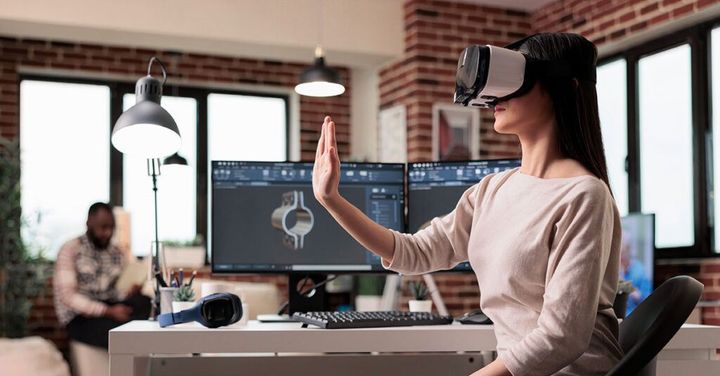
Virtual reality headsets are wearable digital devices designed to create immersive computer-generated environments. These systems use displays, motion sensors, spatial audio, and interactive controls to simulate realistic experiences. The main purpose of virtual reality technology is to allow users to feel present inside a digital environment rather than simply viewing it on a screen.
The concept of virtual reality has existed for decades, but advancements in computing power, graphics processing, and motion tracking have made modern VR systems more accessible and practical. Today, virtual reality headsets are used in multiple industries including education, healthcare, architecture, entertainment, engineering, aviation training, and remote collaboration.
A typical VR headset includes several components:
| Component | Function |
|---|---|
| Display Screens | Create immersive visuals |
| Motion Sensors | Track head movement |
| Controllers | Allow interaction with digital objects |
| Audio Systems | Deliver spatial sound effects |
| Tracking Cameras | Monitor body position and movement |
Many VR devices now support wireless functionality, reducing the need for cables and improving user mobility. Some systems operate independently, while others connect to computers or gaming consoles for higher processing performance.
Why Virtual Reality Headsets Matter Today
Virtual reality technology has become increasingly important because it supports interactive learning, simulation-based training, and immersive communication. Unlike traditional digital media, VR creates a more engaging environment where users can experience situations in real time.
Several sectors benefit from this technology:
| Industry | Example Use |
|---|---|
| Education | Virtual classrooms and science simulations |
| Healthcare | Surgical practice and therapy sessions |
| Manufacturing | Safety training simulations |
| Real Estate | Digital property walkthroughs |
| Tourism | Interactive destination experiences |
| Engineering | Product design visualization |
Educational institutions use VR learning tools to explain complex scientific concepts through visual simulations. Healthcare professionals use immersive technology for therapy, rehabilitation, and surgical preparation. Businesses also rely on enterprise VR solutions for employee training and remote collaboration.
Another reason virtual reality matters is accessibility to experiential learning. Instead of reading about historical events or technical systems, users can interact with detailed virtual environments. This improves engagement and memory retention for many learners.
The growth of augmented and virtual reality technologies is also connected to broader digital transformation trends. Companies developing smart environments, digital twins, and interactive simulations increasingly use immersive technologies as part of their workflow.
Recent Trends and Updates in Virtual Reality Technology
The virtual reality industry experienced significant development during 2025 and early 2026. Several technology companies introduced improvements in display resolution, battery efficiency, eye tracking, and mixed reality integration.
Some major trends include:
- Higher-resolution displays for clearer visuals
- Lightweight headset designs for longer usage
- Expanded mixed reality features combining physical and digital spaces
- Improved hand tracking without external controllers
- AI-supported virtual environments and adaptive simulations
- Increased educational and enterprise adoption
In late 2025, many VR platforms introduced productivity-focused applications aimed at remote teamwork and digital collaboration. Educational institutions also increased experimentation with immersive classrooms and interactive science labs.
Another important trend is the expansion of spatial computing. Spatial computing combines virtual reality, augmented reality, and artificial intelligence to create interactive digital environments that respond to user movement and surroundings.
The gaming sector continues to influence headset development, but professional training and educational applications are becoming equally important. Analysts also observed increased investment in immersive learning systems and industrial simulation software throughout 2025.
The graph below shows the growing use of VR applications across sectors:
| Sector | Approximate Growth Trend (2025) |
|---|---|
| Education Technology | High |
| Healthcare Simulation | Moderate to High |
| Entertainment | High |
| Industrial Training | Moderate |
| Virtual Collaboration | Increasing |
Privacy and digital wellbeing discussions have also become more common. Experts continue to examine how prolonged VR usage may affect visual comfort, motion sensitivity, and data privacy practices.
Regulations and Policy Considerations
Virtual reality technology is affected by several legal and regulatory areas. These rules vary across regions and generally focus on consumer safety, digital privacy, accessibility, and content moderation.
Important policy areas include:
- Data protection and biometric information
- Digital content standards
- User privacy regulations
- Accessibility guidelines
- Health and safety recommendations
- Intellectual property rights
Many VR headsets collect motion data, eye movement information, and interaction patterns. Because of this, data privacy frameworks increasingly apply to immersive technologies. Organizations developing VR applications are often expected to provide transparency regarding data collection practices.
Educational institutions using immersive learning tools may also follow digital accessibility standards to ensure equal participation for students with different needs.
Health agencies and technology organizations sometimes publish recommendations regarding safe usage duration, especially for younger audiences. These guidelines typically focus on visual comfort, motion sensitivity, and physical safety while using immersive systems.
In several countries, consumer electronics laws also apply to VR hardware regarding safety certifications, wireless communication standards, and device testing requirements.
Governments and research organizations continue to examine how immersive technology may influence workplace training, digital communication, and educational systems. Some public-sector institutions are also exploring VR applications for emergency response training and virtual public services.
Helpful Tools and Learning Resources
Many tools and platforms support virtual reality education, content development, and interactive experiences. These resources help beginners understand how immersive technology works and how it is applied in real-world environments.
Useful categories include:
| Resource Type | Purpose |
|---|---|
| VR Development Platforms | Create immersive applications |
| Simulation Software | Build training environments |
| Educational VR Apps | Interactive learning experiences |
| Motion Design Tools | Develop 3D environments |
| Spatial Audio Tools | Improve immersive sound |
Popular learning areas include:
- 3D modeling basics
- VR interface design
- Spatial computing concepts
- Immersive storytelling
- Motion interaction systems
- Virtual collaboration tools
Educational websites and online learning platforms often provide beginner tutorials covering:
- Headset setup guidance
- Motion tracking principles
- VR safety recommendations
- Digital environment creation
- Interactive simulation techniques
Several universities and technology institutes also publish open educational materials related to virtual reality research, human-computer interaction, and immersive media design.
People interested in technical learning often explore subjects such as:
- Computer graphics
- Artificial intelligence integration
- Real-time rendering
- Spatial mapping
- Human sensory interaction
- Cloud-based VR systems
For practical learning, beginners may start with simple virtual environments before moving toward advanced simulation platforms and interactive design systems.
Frequently Asked Questions
What is the difference between virtual reality and augmented reality?
Virtual reality creates a fully digital environment that replaces the user’s surroundings, while augmented reality adds digital elements to the real-world environment. Both technologies are part of immersive computing systems.
Can virtual reality headsets be used for education?
Yes. Educational institutions increasingly use VR learning tools for science simulations, historical recreations, technical training, and interactive classroom experiences.
Why do some users experience motion discomfort in VR?
Motion discomfort may occur when visual movement does not perfectly match physical movement. Factors such as frame rate, headset quality, and session duration can influence user comfort.
Do virtual reality systems require internet access?
Some VR applications function offline, while others require internet connectivity for multiplayer experiences, cloud services, or software updates.
What skills are useful for learning VR development?
Helpful skills include 3D design, programming basics, user interface design, animation, spatial audio understanding, and knowledge of immersive interaction systems.
Conclusion
Virtual reality headsets represent an important development in immersive digital technology. What began primarily as an experimental entertainment concept has evolved into a practical tool for education, healthcare, industrial training, design visualization, and remote collaboration.
Advancements in display quality, motion tracking, and spatial computing continue to improve user experiences and expand practical applications. As organizations invest more heavily in immersive learning and simulation systems, virtual reality technology is expected to remain an important part of digital transformation strategies.
At the same time, discussions around privacy, accessibility, digital wellbeing, and responsible technology use continue to shape how VR systems are developed and regulated. Understanding these factors helps users make informed decisions while exploring immersive technologies.
For beginners, learning about virtual reality headsets offers insight into how digital environments are changing communication, training, and interactive experiences across many industries.