Jump to a Chapter

Explore Sheet Cutting Machines: Explanation, Tips, Insights, Help, Resources, and Practical Information

Explore Sheet Cutting Machines: Explanation, Tips, Insights, Help, Resources, and Practical Information

Sheet cutting machines are industrial systems designed to cut flat sheets of materials into specific shapes and sizes. These machines are widely used across manufacturing environments where accuracy, consistency, and efficiency are important. Materials commonly processed include metal sheets, plastic sheets, composite materials, rubber, cardboard, and certain textiles.


The development of sheet cutting machines emerged from the need to improve production accuracy while reducing manual labor. Traditional cutting methods often required significant physical effort and produced inconsistent results. Modern machines use advanced technologies such as computer numerical control (CNC), lasers, plasma systems, water jets, and automated mechanical blades to achieve precise cuts.

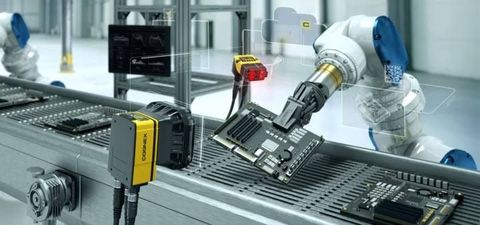
Today, sheet cutting machines are part of broader industrial automation systems. They help manufacturers create components used in transportation, construction, electronics, renewable energy equipment, packaging, and infrastructure projects.

Common Types of Sheet Cutting Machines

Machine TypeTypical MaterialsKey Characteristics
Laser Cutting MachineMetal, plastic, acrylicHigh precision and detailed cutting
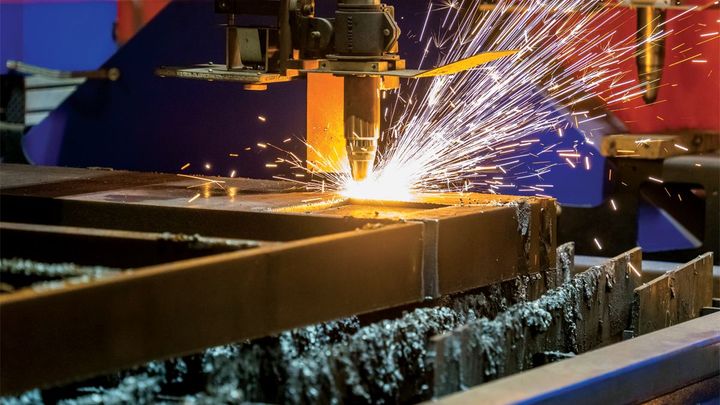
Plasma Cutting MachineConductive metalsSuitable for thicker metal sheets
Water Jet Cutting MachineMetal, stone, glass, compositesNo heat-affected zone
Mechanical Shearing MachineMetal sheetsStraight-line cutting operations
CNC RouterWood, plastic, compositesComputer-controlled cutting
Die Cutting MachinePaper, cardboard, foamRepetitive production tasks

Why Sheet Cutting Machines Matter

Modern industries rely heavily on precision manufacturing. Even small dimensional errors can affect product performance, safety, and assembly compatibility. Sheet cutting machines help address these challenges by improving consistency and reducing material waste.

Several sectors benefit from these technologies:

  • Construction and infrastructure manufacturing
  • Automotive component production
  • Aerospace engineering
  • Consumer electronics manufacturing
  • Packaging and printing industries
  • Renewable energy equipment production
  • Industrial machinery fabrication

The growing emphasis on industrial automation has increased the importance of advanced cutting technologies. Automated systems can process large production volumes while maintaining consistent quality standards.

Problems These Machines Help Solve

Manufacturers often face challenges such as:

  • Material waste during production
  • Inconsistent cutting accuracy
  • Long production cycles
  • Complex shape requirements
  • Workforce safety concerns
  • Quality control issues

Advanced sheet cutting systems address these challenges through automated controls, precision software, and real-time monitoring capabilities.

Operational Benefits Overview

Manufacturing ChallengeMachine Contribution
Material WasteOptimized cutting layouts
Production DelaysFaster processing speeds
Human ErrorAutomated control systems
Quality VariationsConsistent cutting precision
Safety RisksReduced manual handling
Complex DesignsComputer-guided cutting paths

Recent Updates and Industry Trends

The sheet cutting machine sector has experienced notable technological developments during 2025 and early 2026.

Manufacturers have increasingly integrated artificial intelligence and machine learning capabilities into industrial cutting systems. These technologies can analyze production patterns, predict maintenance needs, and optimize cutting paths to improve material utilization.

Another major trend has been the expansion of smart manufacturing initiatives. Connected cutting machines can now communicate with factory management systems, allowing real-time production monitoring and performance analysis.

Recent developments include:

  • Increased adoption of Industry 4.0 technologies throughout 2025
  • Growth in cloud-based machine monitoring platforms
  • Expanded use of digital twins for production simulation
  • Improved energy-efficient laser cutting technologies introduced during 2025
  • Enhanced automation software for predictive maintenance programs
  • Wider integration of robotic material handling systems

Environmental sustainability has also become a significant focus. Many equipment manufacturers are developing systems designed to reduce energy consumption and improve resource efficiency.

Technology Adoption Trends


Automation Integration
2023 ██████
2024 ████████
2025 ██████████
2026 ███████████


The trend illustrates increasing adoption of automation technologies within industrial cutting environments.

Safety, Standards, and Regulatory Considerations

Sheet cutting machines operate within frameworks established by industrial safety and manufacturing regulations. Requirements vary by country and industry sector, but several common standards influence machine design and operation.

Important regulatory areas include:

  • Workplace safety requirements
  • Machine guarding standards
  • Electrical safety regulations
  • Environmental compliance measures
  • Noise exposure controls
  • Industrial emissions requirements

Organizations using sheet cutting equipment often follow internationally recognized standards developed by industry bodies and regulatory agencies. These standards help promote safe operation, maintenance procedures, and equipment reliability.

For example, industrial facilities may implement:

  • Risk assessment procedures
  • Operator training programs
  • Preventive maintenance schedules
  • Emergency shutdown protocols
  • Workplace hazard monitoring systems

Environmental regulations increasingly influence manufacturing operations. Energy efficiency standards, waste reduction initiatives, and emissions requirements can affect equipment selection and operational practices.

Compliance Areas Affecting Operations

AreaImpact on Facilities
Worker SafetyTraining and protective measures
Environmental RulesEmissions and waste management
Electrical StandardsEquipment certification
Quality StandardsProcess documentation
Industrial SafetyOperating procedures
Maintenance RequirementsScheduled inspections

Useful Tools and Resources

Professionals working with sheet cutting technologies often rely on various digital tools and resources to improve planning, production, and maintenance activities.

Helpful categories include:

CAD Software

  • Design and drafting platforms
  • Technical drawing applications
  • Product modeling software

CAM Systems

  • Tool path generation
  • Manufacturing planning software
  • Production optimization systems

Material Utilization Calculators

  • Nesting optimization tools
  • Sheet usage estimators
  • Waste reduction planners

Maintenance Platforms

  • Predictive maintenance systems
  • Equipment monitoring dashboards
  • Asset management applications

Industrial Data Analytics Tools

  • Production performance tracking
  • Machine efficiency monitoring
  • Operational reporting systems

Training Resources

  • Technical documentation
  • Safety manuals
  • Industry certification programs
  • Equipment operation guides

Resource Comparison

Resource TypePrimary Purpose
CAD ToolsDesign creation
CAM SoftwareManufacturing planning
Analytics PlatformsPerformance monitoring
Maintenance SystemsEquipment reliability
Training MaterialsKnowledge development
Optimization ToolsResource efficiency

Practical Tips for Understanding Sheet Cutting Systems

When learning about sheet cutting machines, it is helpful to focus on both the technology and the production requirements they support.

Consider the following points:

  • Understand the material being processed.
  • Learn the differences between cutting technologies.
  • Review machine precision specifications carefully.
  • Study safety procedures and operational guidelines.
  • Explore automation capabilities and software integration.
  • Monitor maintenance requirements and performance metrics.
  • Examine energy efficiency characteristics.
  • Understand quality control processes.

A strong understanding of these areas provides valuable context for evaluating manufacturing workflows and industrial automation systems.

Frequently Asked Questions

What is the main purpose of a sheet cutting machine?

A sheet cutting machine is designed to cut flat materials into specific shapes, dimensions, or patterns with high accuracy and consistency. These machines help improve manufacturing efficiency and product quality.

What materials can sheet cutting machines process?

Depending on the technology used, sheet cutting machines can process metals, plastics, composites, cardboard, foam, rubber, glass, and various industrial materials.

What is the difference between laser and plasma cutting?

Laser cutting generally offers higher precision and finer detail, while plasma cutting is commonly used for thicker conductive metals and larger industrial applications.

Why is CNC technology important in sheet cutting?

CNC technology enables computer-controlled cutting operations. This improves accuracy, repeatability, productivity, and consistency while reducing the likelihood of human error.

How does automation affect sheet cutting operations?

Automation helps improve production efficiency, optimize material usage, reduce downtime, support predictive maintenance, and enhance overall manufacturing performance.

Are sheet cutting machines part of Industry 4.0?

Yes. Many modern systems include sensors, connectivity features, data analytics capabilities, and integration with smart manufacturing environments, making them important components of Industry 4.0 initiatives.

Conclusion

Sheet cutting machines play an essential role in modern manufacturing and industrial automation. From simple mechanical shearing systems to advanced CNC-controlled laser and water jet technologies, these machines help organizations achieve precision, consistency, and operational efficiency.

Recent developments in artificial intelligence, predictive maintenance, smart manufacturing, and digital connectivity continue to transform the industry. At the same time, safety regulations, environmental requirements, and quality standards remain important factors influencing machine operation and facility management.

Understanding the technologies, applications, trends, regulations, and available resources surrounding sheet cutting machines can help readers develop a clearer picture of their role in contemporary manufacturing systems. As industrial automation continues to advance, sheet cutting technologies are expected to remain a fundamental part of efficient and precise production processes.


author-image

Harshit Sharma

We are a performance-driven media buying team focused on scaling brands through smart, data-backed advertising strategies

June 06, 2026 . 8 min read