Explore Office Furniture: Complete Guide, Tips, Insights, Facts, and Resource Knowledge
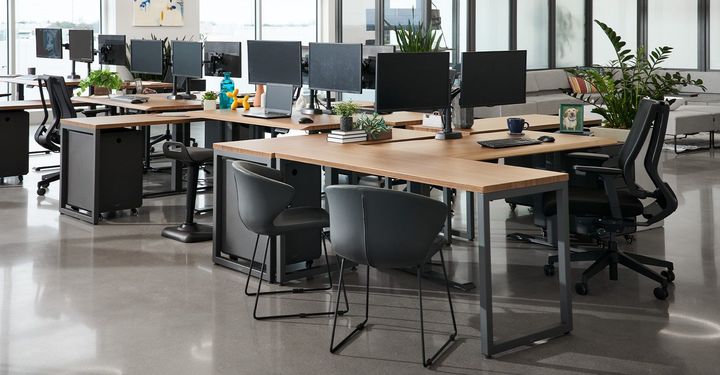
Office furniture refers to the equipment and furnishings used within workplaces to support daily business activities. Common examples include desks, ergonomic office chairs, conference tables, storage cabinets, workstation systems, reception furniture, and collaborative seating arrangements.
The concept of office furniture has evolved significantly over time. Traditional workplaces primarily focused on functionality, with basic desks and chairs designed to accommodate paperwork and administrative tasks. As technology, workplace culture, and employee well-being became more important, office furniture evolved into a specialized field that combines ergonomics, productivity, workplace safety, and interior design.
Modern office furniture is designed to support a variety of work styles. Open-plan offices, hybrid workplaces, remote work environments, and collaborative workspaces all require different furniture solutions. Organizations increasingly view furniture as an important component of workplace efficiency, employee comfort, and long-term operational planning.
Why Office Furniture Matters in Today's Workplace
Office furniture plays an important role in creating productive and comfortable work environments. It affects employees, managers, facility planners, business owners, educational institutions, healthcare organizations, and government offices.
Poor workplace setups can contribute to discomfort, fatigue, reduced concentration, and repetitive strain issues. Well-designed office furniture helps address these challenges by supporting proper posture, efficient workspace organization, and collaborative activities.
Key benefits include:
- Improved workplace ergonomics
- Better employee comfort and satisfaction
- Enhanced productivity and workflow efficiency
- More effective space utilization
- Support for hybrid and flexible work models
- Improved workplace aesthetics and professional appearance
The growing emphasis on workplace wellness has also increased interest in ergonomic office solutions. Adjustable desks, ergonomic seating systems, monitor positioning accessories, and workspace optimization tools are now common components of modern office environments.
Office Furniture Categories and Their Functions
| Furniture Category | Primary Function |
|---|---|
| Ergonomic Office Chairs | Support posture and comfort |
| Executive Desks | Provide workspace for leadership roles |
| Workstation Systems | Organize team-based work environments |
| Conference Tables | Facilitate meetings and collaboration |
| Filing Cabinets | Document and records storage |
| Reception Furniture | Visitor accommodation and first impressions |
| Standing Desks | Encourage movement and ergonomic flexibility |
| Modular Furniture | Adapt to changing workspace needs |
Workplace Furniture Priorities
| Priority Area | Importance Level |
| Ergonomics | High |
| Durability | High |
| Space Efficiency | High |
| Flexibility | Medium |
| Aesthetics | Medium |
| Technology Integration | Growing |
| Sustainability | Growing |
Recent Updates and Industry Trends
The office furniture sector has experienced notable changes throughout 2025 and early 2026 due to evolving workplace expectations and technological advancements.
Several workplace studies published during 2025 highlighted increased demand for ergonomic office furniture as organizations focused on employee wellness initiatives. Hybrid work arrangements continued influencing furniture design, encouraging flexible workstation layouts and modular office systems.
Recent trends include:
- Height-adjustable workstation adoption
- Increased focus on ergonomic workplace design
- Sustainable furniture materials and manufacturing
- Smart furniture integration with workplace technology
- Modular and reconfigurable office layouts
- Acoustic furniture solutions for open offices
Many organizations are also exploring environmentally responsible workplace strategies. Furniture manufacturers increasingly emphasize recycled materials, sustainable sourcing, and extended product life cycles.
The growing integration of workplace analytics has influenced furniture planning as organizations use occupancy data and space utilization insights to optimize office layouts.
Office Furniture Trends Overview
| Trend | Workplace Impact |
| Ergonomic Seating | Improved employee comfort |
| Adjustable Desks | Enhanced flexibility |
| Modular Systems | Easier workspace adaptation |
| Sustainable Materials | Environmental responsibility |
| Acoustic Solutions | Better focus and privacy |
| Technology Integration | Increased productivity support |
Laws, Regulations, and Workplace Policies
Office furniture is often influenced by workplace safety regulations, occupational health standards, accessibility requirements, and environmental policies.
Many countries maintain occupational safety frameworks that encourage employers to provide work environments that reduce physical strain and support employee well-being. While specific requirements vary by jurisdiction, common considerations include:
- Ergonomic workstation design
- Employee health and safety standards
- Accessibility compliance
- Fire safety regulations
- Environmental sustainability guidelines
Accessibility regulations frequently influence office furniture selection by encouraging inclusive workplace design. Adjustable workstations, accessible meeting spaces, and adaptable seating arrangements help organizations accommodate diverse workforce needs.
Environmental policies may also impact furniture procurement practices. Sustainability certifications and responsible material sourcing standards increasingly influence workplace planning decisions.
Organizations often develop internal workplace policies covering:
- Ergonomic assessments
- Workspace allocation
- Equipment usage guidelines
- Hybrid work arrangements
- Employee wellness initiatives
These policies help ensure furniture solutions align with organizational goals while supporting employee health and productivity.
Helpful Tools and Resources
Numerous resources can assist facility managers, workplace planners, architects, and business decision-makers in evaluating office furniture needs.
Useful categories include:
Ergonomic Assessment Tools
- Desk setup evaluation checklists
- Posture assessment guides
- Workplace comfort surveys
- Ergonomic workstation calculators
Space Planning Resources
- Office layout planners
- Floor plan design software
- Workspace utilization tools
- Seating capacity calculators
Project Management Resources
- Furniture inventory templates
- Workspace planning checklists
- Asset tracking systems
- Maintenance scheduling tools
Research and Educational Resources
- Occupational safety publications
- Workplace design studies
- Ergonomics guidelines
- Sustainability reporting resources
Popular Digital Resource Categories
| Resource Type | Typical Use |
| Workspace Planner | Layout design |
| Ergonomic Calculator | Posture evaluation |
| Inventory Template | Asset management |
| Facility Management Software | Operations planning |
| Project Tracking Tools | Implementation monitoring |
| Sustainability Frameworks | Environmental planning |
Key Considerations When Evaluating Office Furniture
Several factors should be examined when assessing workplace furniture solutions.
Ergonomic Compatibility
Furniture should support natural body positioning and reduce physical strain during prolonged work activities.
Workspace Flexibility
Adaptable furniture systems can accommodate organizational growth and changing workplace requirements.
Durability and Maintenance
Long-term reliability contributes to consistent workplace operations and reduced maintenance demands.
Technology Support
Modern work environments often require furniture that accommodates devices, cable management systems, and digital collaboration tools.
Environmental Impact
Sustainable materials and responsible manufacturing practices are increasingly important considerations.
Accessibility
Furniture should support inclusive workplace environments and accommodate diverse employee needs.
Frequently Asked Questions
What is ergonomic office furniture?
Ergonomic office furniture is designed to support proper posture, reduce physical strain, and improve comfort during work activities. Examples include adjustable chairs, height-adjustable desks, monitor arms, and keyboard positioning accessories.
Why has office furniture become more important in recent years?
Workplace wellness, hybrid work arrangements, productivity goals, and employee comfort have increased attention on furniture design and workspace planning.
What are the most common types of office furniture?
Common categories include office chairs, desks, workstation systems, conference tables, storage cabinets, reception furniture, and collaborative seating solutions.
How does office furniture affect productivity?
Furniture influences comfort, organization, accessibility, and workspace efficiency. Well-designed environments can help employees maintain focus and perform tasks more effectively.
What role does sustainability play in office furniture?
Sustainability initiatives encourage the use of recycled materials, responsible sourcing practices, durable construction methods, and environmentally conscious manufacturing processes.
Conclusion
Office furniture has evolved from simple workplace equipment into a critical component of modern organizational strategy. It supports employee well-being, workplace productivity, ergonomic safety, operational efficiency, and adaptable work environments.
Recent developments have emphasized flexibility, sustainability, and employee-centered design. Organizations increasingly recognize that workplace furniture contributes to both daily operations and long-term workplace planning.
As technology, workplace expectations, and sustainability goals continue to evolve, office furniture will remain an important element in shaping productive, accessible, and efficient work environments. Understanding furniture categories, workplace regulations, emerging trends, and available planning resources can help stakeholders make informed decisions about future workspace development.