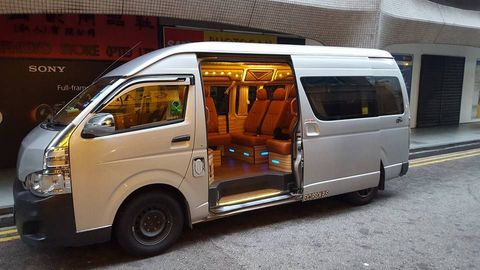
The concept emerged from the need to manage group mobility more efficiently. When individuals travel separately, it can create logistical complexity, increased fuel usage, and scheduling challenges. Group transportation solutions such as mini-bus services help streamline these challenges by allowing passengers to travel together in one vehicle.
Mini-buses are commonly used in situations where standard public transportation may not provide flexible routes or schedules. Examples include educational trips, event transportation coordination, corporate mobility programs, tourism group travel, and airport transfers.
From a transportation management perspective, mini-bus rentals fall within the broader category of commercial passenger transportation and fleet logistics management. The focus is often on route efficiency, passenger safety standards, and optimized vehicle utilization.
High-value informational keywords related to this topic often include:
-
fleet management software
-
commercial vehicle insurance
-
transportation logistics solutions
-
passenger transport regulations
-
vehicle fleet tracking systems
-
transportation management systems (TMS)
-
group travel planning software
These keywords frequently appear in discussions about transportation infrastructure and operational planning.
Why Mini-Bus Transportation Matters Today
Group transportation has become increasingly important as cities and organizations focus on mobility efficiency, sustainability, and coordination.
Mini-bus transportation provides a practical solution to several logistical challenges:
• Coordinating travel for multiple passengers
• Reducing traffic congestion from multiple vehicles
• Supporting organized group travel
• Improving scheduling efficiency for events or tours
In many regions, the demand for fleet management platforms and transport scheduling tools has increased as organizations attempt to manage transportation resources more effectively.
Another reason mini-bus transportation has gained attention is environmental awareness. Consolidating multiple travelers into a single vehicle can reduce overall fuel consumption compared with many individual cars traveling separately.
Industries that often rely on group transport planning include:
-
Tourism and hospitality
-
Education and training programs
-
Corporate travel coordination
-
Event management
-
Community transportation initiatives
Mini-bus travel can also simplify route management for organizations responsible for transporting participants between locations such as conference venues, hotels, airports, or campuses.
For planners and coordinators, the availability of transportation management software and fleet tracking systems helps improve scheduling accuracy and monitor vehicle performance.
Recent Developments and Transportation Trends
The transportation sector has experienced several developments during the past year related to fleet management and passenger mobility.
In 2025, transportation technology providers reported increased adoption of AI-powered fleet tracking software and route optimization platforms. These systems use real-time traffic data and predictive analytics to help fleet operators plan efficient travel routes and reduce delays.
Another trend involves the integration of telematics systems into passenger transport vehicles. Telematics technology allows operators to monitor vehicle diagnostics, driving patterns, and route performance. These insights help organizations improve safety compliance and operational efficiency.
Electric vehicle technology has also influenced group transportation discussions. During 2025, several transportation authorities announced pilot programs exploring electric mini-bus fleets for urban mobility initiatives. These programs aim to reduce emissions and modernize public transport systems.
Digital booking platforms have also evolved. Many platforms now incorporate features such as:
-
route scheduling dashboards
-
passenger management tools
-
automated fleet dispatching
-
digital trip documentation
Another emerging trend is the use of transport data analytics platforms, which analyze travel demand patterns and vehicle utilization to improve transportation planning decisions.
These technological changes demonstrate how transportation coordination increasingly relies on software systems rather than manual planning processes.
Regulatory Considerations and Transportation Policies
Passenger transportation involving group vehicles is typically subject to regulatory frameworks designed to ensure safety, compliance, and operational transparency.
Regulations commonly address several areas:
Driver licensing requirements
Drivers operating passenger transport vehicles may require specialized commercial driving credentials depending on vehicle capacity and regional transport laws.
Vehicle safety standards
Transportation authorities often require routine inspections for vehicles used in passenger transport operations. These inspections verify compliance with safety features such as braking systems, seat belts, emergency exits, and passenger capacity limits.
Insurance coverage
Commercial passenger transportation usually requires appropriate commercial vehicle insurance policies. Insurance frameworks typically cover liability, passenger safety, and operational risks.
Operational permits
Transport operators may require permits or certifications issued by regional transportation authorities. These permits verify that vehicles and operators meet regulatory requirements.
Data reporting and compliance
In some jurisdictions, transportation regulators require fleet operators to maintain digital logs, driver schedules, or vehicle inspection records. These records support compliance monitoring and safety audits.
Government policies related to urban mobility and environmental sustainability may also influence group transport operations. For example, some cities encourage shared transportation initiatives to reduce traffic congestion and improve public mobility systems.
Helpful Tools and Resources for Transportation Planning
Modern transportation planning relies on a variety of digital tools and analytical resources. These tools assist organizations in managing fleet operations, scheduling routes, and monitoring vehicle performance.
Examples of commonly used resources include:
Transportation Management Systems (TMS)
Platforms designed to coordinate route planning, vehicle dispatching, and travel schedules.
Fleet Tracking Software
GPS-enabled systems used to monitor vehicle location, route efficiency, and driver performance.
Route Optimization Calculators
Software tools that analyze travel distance, time, and traffic conditions to recommend efficient routes.
Vehicle Maintenance Management Platforms
Digital systems that track service schedules, inspections, and vehicle health diagnostics.
Passenger Transport Compliance Templates
Templates used for maintaining documentation related to driver logs, inspection reports, and safety checklists.
The following table summarizes several categories of transportation technology tools.
| Tool Category | Purpose | Key Function |
|---|
| Fleet Tracking Software | Vehicle monitoring | GPS tracking and telematics |
| Route Optimization Platforms | Travel planning | Traffic analysis and routing |
| Transportation Management Systems | Fleet coordination | Dispatch and scheduling |
| Vehicle Compliance Software | Safety monitoring | Inspection and maintenance logs |
| Transport Data Analytics | Performance insights | Travel data analysis |
These tools allow organizations to monitor transportation operations more effectively and improve logistical decision-making.
Example of Group Transport Planning Workflow
The diagram below illustrates a simplified transportation coordination process used in group travel logistics.
This workflow demonstrates how transportation planning integrates scheduling, vehicle allocation, and monitoring systems to ensure smooth travel coordination.
Frequently Asked Questions
What is a mini-bus in transportation terms?
A mini-bus is a passenger vehicle designed to carry more passengers than a typical car but fewer than a large coach bus. These vehicles are commonly used in group transportation planning and fleet mobility operations.
How many passengers can a mini-bus typically accommodate?
Passenger capacity varies depending on vehicle design and regional regulations. Most mini-buses are designed to transport small to mid-sized groups with seating arranged for efficient group travel.
What industries commonly use group transportation vehicles?
Group transportation vehicles are frequently used in sectors such as tourism, education, corporate mobility programs, event logistics, and community transportation initiatives.
What technologies support transportation planning today?
Modern transportation operations often rely on tools such as GPS fleet tracking systems, route optimization software, telematics platforms, and transportation management systems.
Are there regulations governing passenger transport vehicles?
Yes. Passenger transport operations are typically governed by transportation authorities. Regulations often include driver licensing standards, vehicle inspections, insurance requirements, and operational permits.
Conclusion
Mini-bus transportation plays an important role in modern mobility planning by enabling coordinated group travel. These vehicles support a range of applications, from tourism logistics to corporate travel programs and community mobility initiatives.
Recent developments in fleet technology, telematics systems, and transportation analytics have transformed how organizations manage passenger transportation. Digital tools now allow planners to monitor routes, track vehicle performance, and coordinate travel schedules with greater accuracy.
At the same time, regulatory frameworks continue to ensure that passenger transport operations meet safety and compliance standards. Licensing requirements, vehicle inspections, and operational permits remain essential components of responsible transportation management.
As transportation infrastructure evolves, group mobility solutions such as mini-bus coordination will likely remain a key component of efficient travel planning. By combining technology, regulatory oversight, and strategic logistics management, organizations can better manage transportation systems and improve overall mobility efficiency.