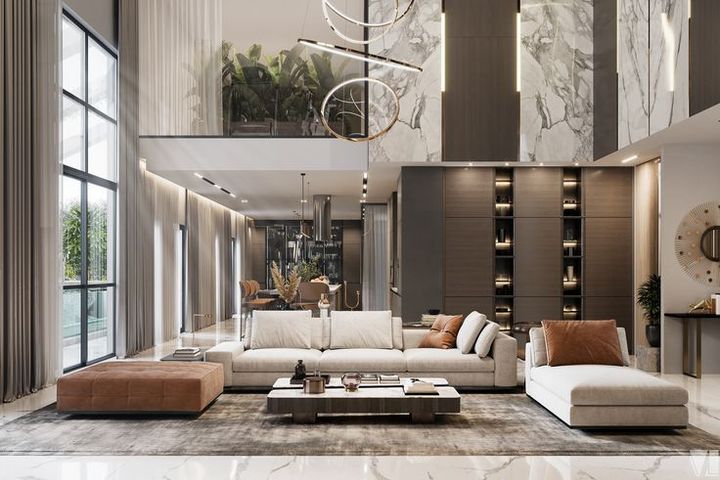
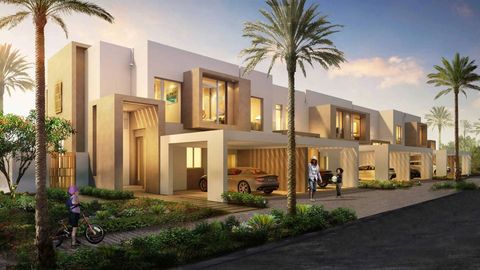
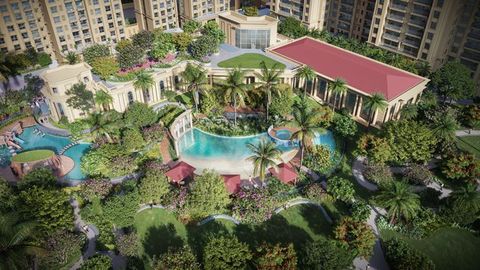
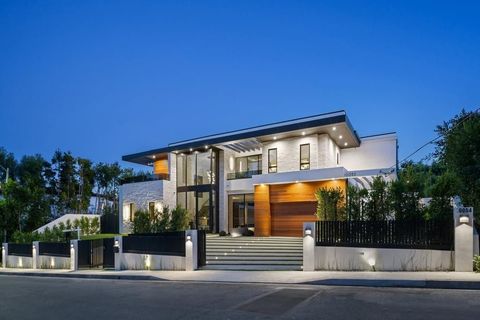
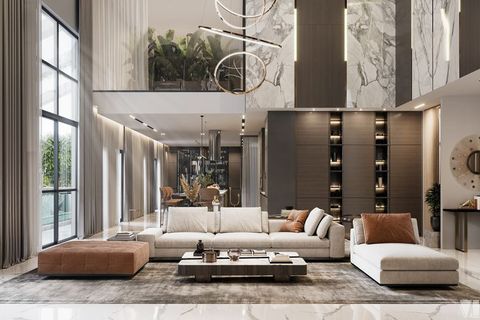
Over time, urbanization and rising income levels have contributed to the growth of this segment. Developers increasingly focus on integrating comfort, aesthetics, and convenience into residential spaces. Luxury apartments often include:
-
Smart home automation systems
-
High-end interior finishes
-
Fitness centers, pools, and wellness spaces
-
Concierge and security services
-
Sustainable and energy-efficient designs
The concept exists to meet the demand for elevated living environments that combine privacy, technology, and convenience in densely populated urban areas.
Importance – Why Luxury Apartments Matter Today
Luxury apartments play a significant role in the modern real estate landscape. They reflect changing lifestyle preferences and evolving expectations around housing quality.
For individuals and families, these properties provide:
-
Enhanced living standards through better infrastructure
-
Access to exclusive amenities within residential complexes
-
Improved safety and privacy features
-
Integration of digital and smart technologies
From a broader perspective, luxury housing impacts:
-
Urban development patterns
-
Real estate investment strategies
-
Demand for sustainable construction practices
The growing interest in premium residential spaces also addresses challenges such as overcrowding, lack of amenities, and outdated infrastructure in traditional housing systems.
Below is a simple comparison table highlighting differences between standard and luxury apartments:
| Feature | Standard Apartments | Luxury Apartments |
|---|
| Interior Quality | Basic | Premium finishes |
| Amenities | Limited | Extensive |
| Technology Integration | Minimal | Advanced smart systems |
| Security | Basic | Multi-layered systems |
| Location Preference | General areas | Prime locations |
Recent Updates – Trends and Developments
The luxury apartment segment has experienced notable changes in the past year, driven by technology, sustainability, and lifestyle shifts.
Key trends observed in 2025–2026 include:
-
Increased adoption of smart home ecosystems with AI-based automation
-
Growing demand for eco-friendly buildings with green certifications
-
Expansion of mixed-use developments combining residential, retail, and office spaces
-
Preference for larger layouts and flexible spaces for remote work
Developers are also focusing on wellness-oriented designs, including:
-
Air purification systems
-
Natural lighting optimization
-
Dedicated relaxation and fitness zones
A simplified trend graph illustrates the shift in buyer priorities:
| Trend Factor | 2024 (%) | 2025 (%) |
|---|
| Smart Technology | 55 | 70 |
| Sustainability | 48 | 65 |
| Wellness Amenities | 50 | 68 |
| Flexible Living Spaces | 45 | 72 |
These changes indicate a shift from purely aesthetic luxury to functional and sustainable living environments.
Laws or Policies – Regulatory Considerations
Luxury apartments are influenced by various regulations that ensure safety, transparency, and environmental responsibility. While rules vary by country, common regulatory aspects include:
-
Building codes related to structural safety and fire protection
-
Environmental regulations promoting energy efficiency and reduced emissions
-
Property ownership and registration laws
-
Zoning regulations that define land use and development limits
Governments and regulatory bodies may also introduce policies related to:
-
Sustainable construction certifications
-
Smart city initiatives
-
Urban planning frameworks
Compliance with these regulations ensures that luxury apartments meet quality standards and provide a safe living environment.
Tools and Resources – Helpful Platforms and Solutions
Several digital tools and resources can assist in researching and understanding luxury apartments. These tools help users evaluate features, compare options, and analyze market trends.
Useful categories include:
Property Research Platforms
-
Real estate listing websites with advanced filters
-
Virtual tour platforms for remote property viewing
Financial and Investment Tools
-
Mortgage and affordability calculators
-
Property value estimation tools
Design and Planning Tools
-
Interior design visualization apps
-
Floor plan creators
Smart Home Technology Platforms
-
Home automation dashboards
-
Energy monitoring systems
Documentation and Legal Resources
-
Lease agreement templates
-
Property compliance checklists
These resources support informed decision-making and simplify the process of understanding complex property details.
FAQs – Common Questions About Luxury Apartments
What defines a luxury apartment?
A luxury apartment is defined by its premium location, high-quality construction, advanced amenities, and enhanced security features. It often includes smart technology and exclusive services.
Are luxury apartments only located in urban areas?
While most are in urban or prime locations, some luxury developments are also found in suburban or scenic areas, depending on demand and planning trends.
How are luxury apartments different from regular apartments?
They differ in terms of design quality, amenities, technology integration, and overall living experience. Luxury apartments focus more on comfort, convenience, and lifestyle features.
Do luxury apartments include sustainable features?
Yes, many modern luxury apartments incorporate eco-friendly materials, energy-efficient systems, and green building certifications to reduce environmental impact.
What should be considered when evaluating luxury apartments?
Important factors include location, amenities, construction quality, security systems, technology features, and compliance with regulations.
Conclusion
Luxury apartments represent a significant evolution in residential living, combining advanced technology, high-quality design, and lifestyle-focused amenities. They reflect broader changes in how people prioritize comfort, sustainability, and convenience in their living environments.
As trends continue to evolve, the focus is shifting toward smarter, greener, and more adaptable spaces. Understanding the context, importance, regulations, and available tools can help individuals navigate this segment with clarity and confidence.
This guide provides a structured overview to support informed research and better awareness of the luxury apartment landscape without promotional bias or exaggerated claims.