Table of Contents

Explore Industrial Water Pumps: Explanation, Overview, Details, Insights, Learn Tips, Facts, and Help

Explore Industrial Water Pumps: Explanation, Overview, Details, Insights, Learn Tips, Facts, and Help

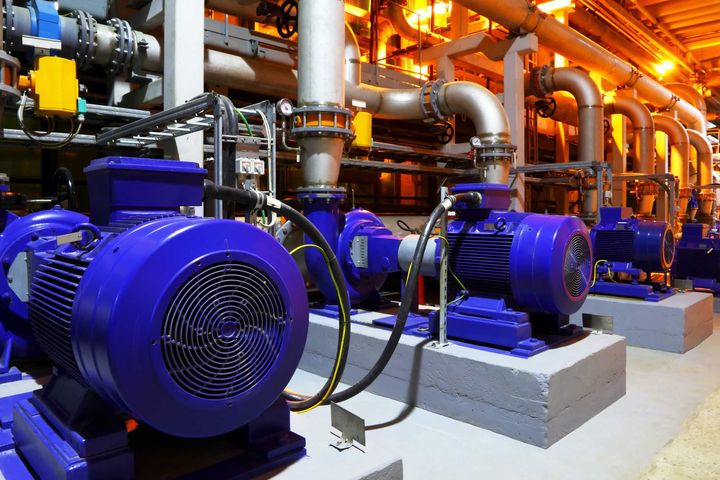
Industrial water pumps are mechanical devices designed to move water or other fluids from one location to another. They play a vital role in industrial operations by supporting water transportation, circulation, drainage, cooling, processing, and wastewater management.


These systems exist because industries require reliable methods for handling large volumes of water efficiently. Whether used in manufacturing facilities, power plants, agricultural operations, mining sites, or water treatment plants, pumps help maintain continuous operations and support infrastructure needs.

The basic principle behind an industrial water pump involves converting mechanical energy into hydraulic energy. This process generates pressure that moves water through pipelines, tanks, and industrial systems.

Common pump categories include:

  • Centrifugal pumps
  • Positive displacement pumps
  • Submersible pumps
  • Booster pumps
  • Vertical turbine pumps
  • Multistage pumps

Common Industrial Water Pump Types

Pump TypePrimary ApplicationKey Characteristic
Centrifugal PumpWater circulation and transferHigh flow capacity
Submersible PumpDrainage and wastewater handlingOperates underwater
Multistage PumpHigh-pressure systemsMultiple impellers
Booster PumpPressure enhancementImproves water pressure
Positive Displacement PumpPrecise fluid movementConsistent flow rate

Why Industrial Water Pumps Matter

Industrial water pumps are essential because they support critical infrastructure and industrial productivity. Without effective pumping systems, many industries would struggle to maintain operations.

Water is used for:

  • Cooling equipment
  • Manufacturing processes
  • Cleaning systems
  • Boiler operations
  • Irrigation support
  • Fire protection systems
  • Wastewater treatment

Modern industries depend on pump systems to ensure consistent water availability and efficient fluid movement.

Industries That Rely on Industrial Pump Systems

Several sectors depend heavily on industrial fluid handling equipment:

  • Manufacturing facilities
  • Chemical processing plants
  • Mining operations
  • Food and beverage production
  • Pharmaceutical facilities
  • Energy generation plants
  • Municipal water treatment facilities
  • Agricultural irrigation networks

Problems Industrial Pumps Help Solve

Industrial water pumps address several operational challenges:

  • Water distribution over long distances
  • Pressure maintenance in large systems
  • Flood control and drainage
  • Wastewater transportation
  • Process water circulation
  • Resource management efficiency

By solving these challenges, pumps contribute to operational stability and infrastructure resilience.

Industrial Water Pump Market Trends and Recent Updates

The industrial pumping sector has experienced significant developments during the past year.

In 2025 and early 2026, industries increasingly focused on energy-efficient pump technologies due to rising sustainability goals and operational efficiency requirements.

Key trends include:

  • Increased adoption of smart pump monitoring systems
  • Integration of Industrial Internet of Things (IIoT) technology
  • Expansion of predictive maintenance platforms
  • Growth of variable frequency drive (VFD) applications
  • Enhanced digital performance monitoring
  • Improved energy management capabilities

Manufacturers have also introduced advanced sensors capable of monitoring:

  • Flow rates
  • Pressure levels
  • Vibration patterns
  • Motor performance
  • Energy consumption

These technologies help operators identify potential issues before failures occur.

Emerging Technology Developments

Recent developments include:

TechnologyPurposeBenefit
IoT SensorsReal-time monitoringImproved reliability
Predictive AnalyticsFailure predictionReduced downtime
Variable Frequency DrivesSpeed controlBetter energy efficiency
Digital Twin SystemsVirtual system modelingPerformance optimization
Remote Monitoring PlatformsOff-site supervisionFaster response times

Sustainability and Energy Efficiency Focus

Many organizations have strengthened efforts to reduce energy consumption.

Industrial pumps often account for a significant portion of facility electricity usage. As a result, operators increasingly focus on:

  • Optimizing pump selection
  • Monitoring system performance
  • Reducing unnecessary energy consumption
  • Improving hydraulic efficiency
  • Implementing automated control systems

Industrial Water Pump Efficiency Overview

FactorInfluence on Performance
Proper SizingHigher operational efficiency
Regular MaintenanceReduced wear and failures
Flow OptimizationImproved energy usage
Modern ControlsBetter system management
Condition MonitoringEarlier issue detection

Regulations and Policy Considerations

Industrial water pumps are often affected by environmental, safety, and energy-efficiency regulations.

Governments and regulatory agencies typically establish standards relating to:

  • Water conservation
  • Energy efficiency
  • Environmental protection
  • Workplace safety
  • Wastewater management
  • Equipment performance standards

Organizations operating industrial pumping systems must often comply with requirements related to:

  • Water discharge permits
  • Environmental impact controls
  • Equipment safety inspections
  • Energy management programs
  • Emissions reduction initiatives

Energy Efficiency Standards

Many countries encourage or require:

  • High-efficiency motors
  • Reduced energy consumption
  • Sustainable water management practices
  • Performance monitoring systems

Energy efficiency standards continue to influence pump design and operational strategies.

Environmental Regulations

Environmental policies often focus on:

  • Reducing water waste
  • Improving wastewater handling
  • Preventing contamination
  • Protecting natural resources

Industrial facilities frequently incorporate advanced pump technologies to support compliance objectives.

Helpful Tools and Resources

A variety of tools assist engineers, operators, and facility managers in understanding and managing industrial water pump systems.

Useful resources include:

  • Pump sizing calculators
  • Flow rate calculators
  • Hydraulic analysis software
  • Energy consumption estimators
  • Maintenance planning templates
  • Equipment monitoring dashboards
  • Digital twin platforms
  • Asset management software

Common Resource Categories

Resource TypePurpose
Pump Selection SoftwareEquipment evaluation
Flow CalculatorsHydraulic calculations
Maintenance TemplatesInspection scheduling
Energy Analysis ToolsEfficiency monitoring
Asset Tracking SystemsEquipment management
Monitoring PlatformsReal-time diagnostics

Learning Resources

Individuals interested in industrial water management often explore:

  • Engineering handbooks
  • Fluid mechanics references
  • Industrial maintenance guides
  • Water treatment publications
  • Equipment manufacturer documentation
  • Professional training materials

These resources provide foundational knowledge regarding pump operation, troubleshooting, and optimization.

Practical Tips for Understanding Industrial Water Pumps

Understanding pump fundamentals can improve operational awareness and decision-making.

Useful tips include:

  • Learn the difference between flow and pressure.
  • Understand pump curves and performance charts.
  • Monitor vibration and noise patterns.
  • Review maintenance schedules regularly.
  • Study energy consumption trends.
  • Understand system head requirements.
  • Evaluate operating conditions carefully.

Important Performance Indicators

Several metrics help evaluate pump performance:

  • Flow rate
  • Head pressure
  • Efficiency percentage
  • Power consumption
  • Temperature readings
  • Vibration levels
  • Runtime statistics

Monitoring these indicators can provide valuable operational insights.

Industrial Water Pump Performance Relationship


Higher Efficiency


└────────────→ Better System Design


Predictive Maintenance


└────────────→ Reduced Equipment Downtime


These simplified relationships illustrate how system optimization can influence performance outcomes.

Frequently Asked Questions

What is the primary purpose of an industrial water pump?

Industrial water pumps move water or fluids through industrial systems for processes such as cooling, circulation, transfer, drainage, and treatment.

What is the most commonly used industrial water pump?

Centrifugal pumps are among the most widely used due to their ability to handle large flow volumes efficiently across many industrial applications.

How can pump efficiency be improved?

Efficiency may improve through proper sizing, regular maintenance, optimized operating conditions, variable frequency drives, and performance monitoring technologies.

Why is predictive maintenance becoming more common?

Predictive maintenance uses sensors and analytics to identify developing issues before equipment failures occur, helping reduce downtime and improve reliability.

What industries use industrial pump systems?

Industries such as manufacturing, energy production, mining, agriculture, water treatment, chemical processing, and food production commonly rely on industrial water pumps.

Conclusion

Industrial water pumps are fundamental components of modern infrastructure and industrial operations. They support water movement, process efficiency, environmental management, and operational reliability across numerous sectors.

Recent developments in smart monitoring, predictive maintenance, digital analytics, and energy-efficient technologies continue to shape the future of industrial pumping systems. At the same time, evolving environmental regulations and sustainability goals encourage organizations to improve efficiency and optimize water management practices.

Understanding pump fundamentals, performance indicators, regulatory influences, and available resources can help individuals gain valuable insights into how industrial water systems operate. As technology advances, industrial water pumps will remain essential tools for supporting reliable fluid handling, infrastructure development, and responsible resource management.


author-image

Harshit Sharma

We are a performance-driven media buying team focused on scaling brands through smart, data-backed advertising strategies

June 18, 2026 . 8 min read