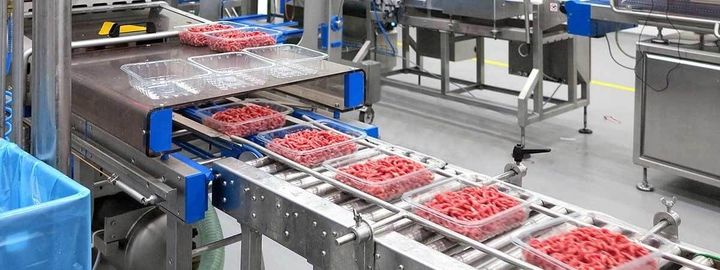
Explore Industrial Vacuum Packaging: Explanation, Facts, Knowledge, Help, and Valuable Resources
Industrial vacuum packaging is a packaging method that removes air from a package before sealing it. The process helps reduce oxygen exposure around products, creating an environment that can help preserve quality, maintain freshness, and support product protection during storage and transportation.
This packaging approach is widely used across manufacturing, food processing, pharmaceutical production, electronics protection, medical supply packaging, and industrial materials handling. The primary purpose is to create a controlled package environment that minimizes external factors such as moisture, contamination, oxidation, and environmental exposure.
The concept emerged as industries sought more reliable ways to preserve products and improve logistics efficiency. Over time, vacuum packaging technology evolved from simple manual systems into highly automated industrial packaging solutions integrated with production lines.
Many organizations now incorporate industrial vacuum packaging as part of broader packaging automation and supply chain management strategies.
Why Industrial Vacuum Packaging Matters
Industrial vacuum packaging plays an important role in modern production and distribution systems. As global supply chains become more complex, businesses and organizations require packaging methods that support product integrity throughout transportation and storage processes.
Several sectors benefit from vacuum packaging technologies:
Industry Sector Common Applications
Food Processing Product preservation and storage
Pharmaceuticals Sensitive product protection
Electronics Moisture and contamination control
Manufacturing Component protection
Medical Supplies Sterile packaging support
Aerospace Long-term storage solutions
The growing importance of industrial vacuum packaging is linked to several key factors:
• Product protection during transportation
• Improved storage management
• Reduced exposure to environmental contaminants
• Better packaging consistency
• Support for automated manufacturing processes
• Enhanced inventory management practices
In highly regulated industries, packaging reliability has become increasingly important because product quality and safety standards continue to evolve.
Industrial Vacuum Packaging Market Focus Areas
The following chart illustrates major areas where vacuum packaging solutions are commonly applied:
Application Area Relative Usage
Food Products Very High
Industrial Components High
Pharmaceuticals High
Medical Equipment Medium-High
Electronics Medium
Specialty Materials Medium
This distribution highlights the broad applicability of vacuum packaging technologies across different sectors.
Recent Updates and Industry Trends
The industrial vacuum packaging sector has experienced several notable developments during the past year.
Automation Integration
Throughout 2025 and early 2026, manufacturers increasingly adopted smart packaging equipment that integrates with digital production systems. Advanced sensors, automated monitoring, and data-driven packaging controls have become more common.
Sustainable Packaging Materials
A significant trend has involved the development of recyclable and lower-impact packaging materials. Many packaging technology providers have focused on improving material efficiency while maintaining vacuum performance standards.
Smart Monitoring Systems
Recent packaging systems now include monitoring capabilities that help operators track:
• Seal integrity
• Pressure consistency
• Equipment performance
• Production efficiency metrics
• Packaging quality indicators
Supply Chain Resilience Efforts
During 2025, industries placed greater emphasis on packaging solutions that support longer storage periods and improved transportation protection. This trend was influenced by ongoing supply chain optimization initiatives across global markets.
Digital Quality Assurance
Many industrial facilities have implemented digital inspection technologies that work alongside vacuum packaging equipment. These systems help verify packaging consistency and document production records.
Regulations, Standards, and Policy Considerations
Industrial vacuum packaging is influenced by multiple regulations and standards depending on the country and industry involved.
Food Safety Regulations
Food-related vacuum packaging operations are generally governed by food safety authorities and standards. These regulations typically focus on:
• Packaging material safety
• Product handling requirements
• Contamination prevention
• Traceability documentation
• Quality management procedures
Pharmaceutical Standards
Pharmaceutical packaging operations often follow strict quality standards that address:
• Product stability
• Packaging validation
• Environmental controls
• Documentation requirements
• Quality assurance processes
Environmental Policies
Many countries have introduced packaging sustainability initiatives that encourage:
• Material reduction
• Recyclable packaging solutions
• Waste management improvements
• Circular economy practices
• Resource efficiency programs
Workplace Safety Requirements
Industrial packaging facilities are also subject to occupational safety regulations covering machinery operation, employee training, equipment maintenance, and workplace risk management.
Useful Tools and Resources
Organizations and individuals seeking to learn more about industrial vacuum packaging can benefit from various resources and technologies.
Packaging Design Software
Several software platforms assist with:
• Package design
• Material selection
• Production planning
• Packaging simulations
• Process optimization
Vacuum Measurement Tools
Common monitoring instruments include:
• Digital vacuum gauges
• Pressure sensors
• Leak detection systems
• Seal integrity testers
• Quality monitoring devices
Industry Standards Resources
Useful information can often be found through:
• Packaging associations
• Manufacturing organizations
• Technical standards publications
• Research institutions
• Industry knowledge portals
Production Analysis Tools
Modern facilities frequently utilize:
Tool Category Purpose
Production Dashboards Monitor efficiency
Quality Tracking Systems Track packaging consistency
Data Analytics Platforms Analyze performance trends
Equipment Monitoring Software Monitor machine health
Compliance Documentation Systems Maintain records
Educational Resources
Learning resources may include:
• Technical publications
• Industry webinars
• Manufacturing journals
• Packaging research reports
• Professional certification programs
Key Facts About Industrial Vacuum Packaging
Several important facts help explain why this technology remains relevant across multiple industries.
• Vacuum packaging removes air before sealing products.
• Reduced oxygen exposure can support product preservation objectives.
• Modern systems can be integrated into automated production lines.
• Packaging technology continues evolving through digital innovation.
• Applications extend beyond food products into industrial and technical sectors.
• Quality assurance processes are increasingly data-driven.
• Environmental sustainability remains a major development focus.
• Regulatory compliance requirements vary by industry and region.
Frequently Asked Questions
What is industrial vacuum packaging?
Industrial vacuum packaging is a process that removes air from a package before sealing it. The method is commonly used to help protect products from environmental exposure during storage and transportation.
Which industries use vacuum packaging?
Industries such as food processing, pharmaceuticals, electronics manufacturing, medical equipment production, aerospace, and industrial manufacturing commonly use vacuum packaging technologies.
Does vacuum packaging only apply to food products?
No. While food applications are widely recognized, vacuum packaging is also used for electronics, industrial components, medical products, specialty materials, and various manufactured goods.
How has technology changed vacuum packaging systems?
Recent advancements include automation, digital monitoring, smart sensors, quality tracking systems, and data analytics tools that improve packaging consistency and operational visibility.
Are there environmental considerations associated with vacuum packaging?
Yes. Many organizations are exploring recyclable materials, packaging optimization strategies, and sustainability initiatives designed to reduce environmental impact while maintaining packaging performance.
Conclusion
Industrial vacuum packaging has become an important component of modern manufacturing, logistics, and product protection strategies. By removing air and creating controlled packaging environments, the technology supports product integrity across a wide range of industries.
Recent developments in automation, digital monitoring, and sustainable materials continue to shape the future of vacuum packaging systems. At the same time, regulatory standards and environmental policies influence how organizations design and implement packaging operations.
As industries seek greater efficiency, quality assurance, and supply chain resilience, industrial vacuum packaging remains a significant area of innovation and practical application. Understanding its principles, regulatory considerations, and available resources can help individuals and organizations stay informed about this evolving field.