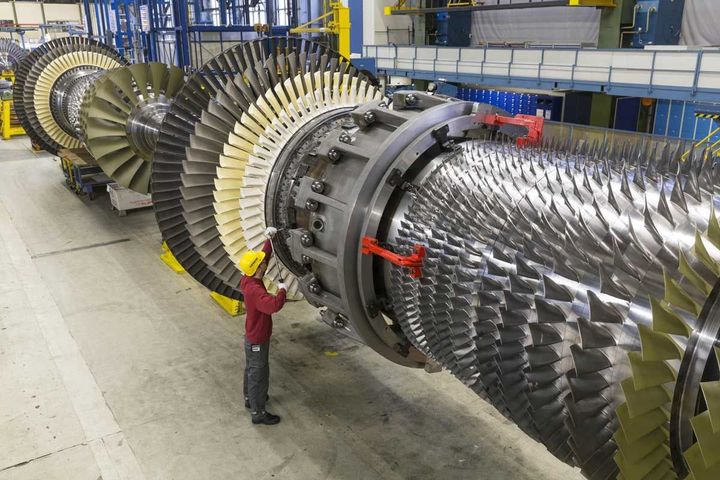
Explore Industrial Equipment Manufacturers: Guide, Tips, Insights, and Industry Knowledge
Industrial equipment manufacturers are organizations that design, develop, and produce machinery, systems, and components used in industrial operations. These products support sectors such as construction, mining, energy, logistics, agriculture, transportation, food processing, and advanced manufacturing.
Industrial machinery includes equipment such as conveyor systems, hydraulic presses, robotics platforms, packaging systems, industrial pumps, automation controllers, CNC machines, and material handling systems. These technologies are essential for improving operational efficiency, productivity, and workplace consistency.
The industrial equipment manufacturing sector exists because modern industries require scalable and reliable machinery to manage high production volumes, reduce downtime, and maintain quality standards. Over time, industrial systems have evolved from manually operated machinery to digitally connected equipment supported by sensors, data analytics, and industrial automation software.
Today, industrial manufacturing technology is increasingly connected with smart factory systems, cloud-based monitoring, industrial IoT platforms, and energy optimization tools. These developments continue to shape how manufacturers operate globally.
How Industrial Equipment Impacts Modern Industries
Industrial equipment plays a central role in economic activity and infrastructure development. Manufacturing facilities, logistics centers, warehouses, and production plants depend on specialized machinery to maintain continuous operations.
The importance of industrial equipment manufacturers can be understood through several key areas:
| Industry Area | Equipment Role | Operational Benefit |
|---|---|---|
| Manufacturing | CNC machines, robotics | Improved precision and production speed |
| Construction | Excavators, loaders | Faster infrastructure development |
| Energy | Turbines, compressors | Stable power and resource management |
| Logistics | Conveyor systems | Better inventory movement |
| Agriculture | Harvesting equipment | Increased agricultural productivity |
| Food Processing | Packaging and sorting systems | Consistent processing standards |
Industrial automation systems are also helping businesses address labor shortages, rising operational complexity, and equipment maintenance challenges. Predictive maintenance software supported by artificial intelligence can analyze machine performance data and reduce unexpected downtime.
In many industries, manufacturers are focusing on energy-efficient industrial systems to improve sustainability goals and reduce energy consumption. Advanced sensors, variable frequency drives, and automated monitoring systems are commonly used to support these objectives.
Recent Industry Updates and Manufacturing Trends
The industrial equipment manufacturing industry has experienced significant transformation during the past year due to digitalization, sustainability initiatives, and supply chain modernization.
Growth of Smart Manufacturing
During 2025 and early 2026, many manufacturers expanded investments in smart manufacturing technologies. Industrial IoT devices, cloud monitoring systems, and AI-powered analytics platforms became more common in production facilities.
Smart factories use connected machinery to collect operational data in real time. This information helps operators improve maintenance schedules, reduce waste, and monitor energy performance.
Increased Robotics Adoption
Industrial robotics adoption continued to increase across automotive, electronics, and warehouse operations throughout 2025. Collaborative robots, also known as cobots, gained attention because they can operate alongside workers in controlled environments.
Manufacturers are also using robotic systems for repetitive assembly, palletizing, inspection, and packaging tasks.
Supply Chain Resilience Strategies
Global supply chain disruptions over recent years encouraged manufacturers to diversify sourcing strategies and improve inventory visibility. In 2025, many industrial companies expanded digital supply chain analytics systems to improve forecasting and reduce operational risks.
Sustainability and Energy Efficiency
Environmental performance became a larger priority across industrial sectors during 2025–2026. Equipment manufacturers increasingly introduced systems designed to reduce emissions, optimize fuel use, and support cleaner production methods.
The following graph highlights major industry focus areas observed during recent manufacturing modernization initiatives:
| Manufacturing Priority | Industry Focus Level |
| Factory Automation | High |
| Energy Efficiency | High |
| Robotics Integration | Moderate to High |
| Digital Monitoring | High |
| Manual Operations Reduction | Moderate |
| Predictive Maintenance | Growing Rapidly |
Regulations and Industrial Policies
Industrial equipment manufacturing is influenced by regulations related to workplace safety, environmental standards, energy efficiency, and product compliance.
Government agencies in different countries establish standards that manufacturers and industrial operators must follow. These rules help ensure machinery reliability, worker protection, and operational consistency.
Key regulatory areas often include:
- Industrial workplace safety standards
- Machine guarding requirements
- Emissions and environmental compliance
- Electrical safety certifications
- Energy efficiency regulations
- Industrial cybersecurity frameworks
In many regions, industrial machinery must comply with testing and certification requirements before entering operational use. Certifications may involve electrical systems, pressure systems, operational safety, or environmental performance standards.
Governments have also introduced industrial modernization initiatives to encourage digital manufacturing and energy-efficient infrastructure. Programs supporting smart manufacturing, industrial innovation, and automation research have expanded in several global markets during 2025.
Industrial cybersecurity regulations are becoming increasingly important as connected factory systems rely more heavily on cloud computing and digital infrastructure. Manufacturers now pay closer attention to cybersecurity risk management and data protection standards within industrial environments.
Useful Tools and Resources for Industrial Manufacturing
Modern industrial operations often rely on software platforms, analytics systems, and digital engineering tools. These resources help improve planning, maintenance, equipment monitoring, and operational analysis.
Commonly used industrial tools and resources include:
| Tool Category | Purpose |
| CAD Software | Equipment and component design |
| ERP Platforms | Resource and operations management |
| Predictive Maintenance Software | Machine condition monitoring |
| Industrial IoT Platforms | Connected equipment analytics |
| Energy Monitoring Systems | Utility and power optimization |
| Supply Chain Analytics Tools | Inventory and logistics visibility |
| CNC Simulation Software | Manufacturing process testing |
| Digital Twin Technology | Virtual equipment modeling |
Additional educational resources include:
- Manufacturing research publications
- Industrial engineering journals
- Automation training platforms
- Industrial standards organizations
- Machinery maintenance manuals
- Engineering webinars and conferences
Cloud-based industrial monitoring systems are also becoming more common because they allow operators to analyze machine performance remotely and improve maintenance planning.
Frequently Asked Questions
What do industrial equipment manufacturers produce?
Industrial equipment manufacturers produce machinery, systems, and components used in industries such as manufacturing, construction, logistics, agriculture, mining, and energy production. Products may include robotics systems, conveyor equipment, industrial pumps, and automation technologies.
Why is industrial automation important?
Industrial automation helps improve operational efficiency, consistency, and productivity. Automated systems can reduce manual errors, improve production speed, and support real-time monitoring of industrial processes.
What is predictive maintenance in manufacturing?
Predictive maintenance uses sensors, software analytics, and operational data to identify potential equipment issues before failures occur. This approach helps reduce downtime and improve maintenance scheduling.
How is artificial intelligence used in industrial manufacturing?
Artificial intelligence is used for machine monitoring, predictive analytics, quality inspection, supply chain forecasting, and process optimization. AI systems can analyze large amounts of industrial data to support operational decision-making.
What are smart factories?
Smart factories are manufacturing environments where connected machinery, sensors, and software systems communicate digitally. These facilities use real-time data to improve automation, monitoring, and operational efficiency.
Conclusion
Industrial equipment manufacturers remain an important part of global industrial development and infrastructure operations. Modern industries depend on advanced machinery, automation systems, and connected technologies to maintain productivity and operational reliability.
The sector continues to evolve through smart manufacturing, robotics integration, industrial IoT systems, and energy-efficient technologies. Recent developments during 2025 and 2026 show growing interest in predictive maintenance, supply chain resilience, digital monitoring, and sustainability-focused manufacturing strategies.
Regulatory compliance, workplace safety, cybersecurity standards, and environmental policies also continue to influence how industrial equipment is designed and operated. As industrial systems become more digitally connected, manufacturers are increasingly focused on operational visibility, efficiency, and long-term infrastructure performance.
Understanding industrial equipment manufacturing helps explain how modern economies support large-scale production, logistics systems, and industrial innovation across multiple sectors.