Table of Contents

Explore Home Decor Guide: Tips, Ideas, Insights, Basics, and Helpful Resources

Explore Home Decor Guide: Tips, Ideas, Insights, Basics, and Helpful Resources

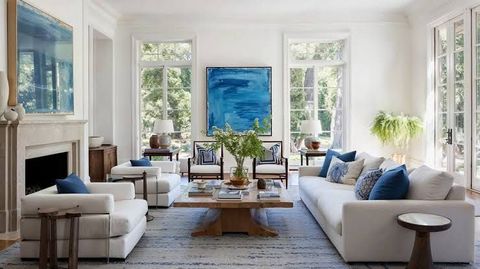
Home decor refers to the process of designing and arranging indoor spaces to improve comfort, appearance, functionality, and personal expression. It includes furniture placement, wall colors, lighting, decorative accessories, flooring, storage planning, and room organization. The concept has evolved over time as living spaces became more connected to lifestyle, technology, and wellness.


People use home decor to create environments that feel organized, practical, and visually balanced. Some focus on minimalist interior design, while others prefer traditional, luxury, industrial, or modern home styling themes. Home decor exists because homes serve many purposes beyond shelter. They are now spaces for remote work, relaxation, entertainment, learning, and social interaction.

Interior decoration also helps maximize available space. Small apartments, studio homes, and compact urban housing have increased interest in space-saving furniture and multifunctional layouts. Decorative choices can influence mood, productivity, and comfort levels inside a home.

Common Elements Found in Home Decor

Decor ElementPurposeExamples
FurnitureFunction and comfortSofas, tables, storage units
LightingVisibility and atmosphereLED lights, pendant lamps
Wall DecorVisual enhancementPaintings, mirrors, wallpapers
TextilesComfort and textureRugs, curtains, cushions
Storage SolutionsOrganizationCabinets, floating shelves
Color ThemesMood and design consistencyNeutral, pastel, earthy tones

Why Home Decor Matters Today

Home decor has become increasingly important due to changing lifestyles and housing patterns. Many individuals spend more time indoors for work, entertainment, and daily activities. As a result, interior spaces now play a larger role in overall well-being and productivity.

Modern households often focus on practical and efficient room layouts. Organized interiors can help reduce clutter and improve movement inside a home. Decorative planning also supports better use of lighting, ventilation, and storage.

Several groups are directly affected by home decor trends and interior planning:

  • Apartment residents managing limited space
  • Families designing child-friendly environments
  • Remote workers creating home office setups
  • Property owners improving visual appeal
  • Students arranging compact study areas
  • Older adults seeking accessible living spaces

The topic also addresses common challenges such as poor storage, uncomfortable furniture placement, weak lighting, and inefficient room organization. Smart interior planning can help solve these issues without requiring major structural changes.

Growing Interest in Smart and Sustainable Decor

In recent years, sustainable interior design and smart home decor have gained attention. Consumers are increasingly interested in eco-friendly materials, energy-efficient lighting, and reusable decorative products.

Popular sustainable decor choices include:

  • Bamboo furniture
  • Recycled wood materials
  • Energy-saving LED systems
  • Natural fiber rugs
  • Water-based paints
  • Indoor plants for air quality support

Smart home integration has also influenced interior decoration. Voice-controlled lighting systems, automated curtains, wireless security devices, and app-based temperature controls are now common in modern households.

Recent Updates and Home Decor Trends

The home decor industry has experienced notable changes during the past year. Several design trends became more visible across online platforms, interior publications, and housing developments during 2025 and early 2026.

Key Home Decor Trends in 2025–2026

TrendDescription
Biophilic DesignUse of plants and natural textures indoors
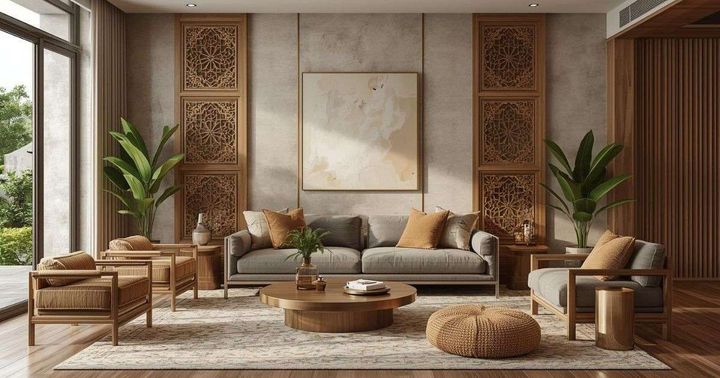
Earth-Tone Color PalettesBrown, olive, beige, and terracotta shades
Multifunctional FurnitureFurniture with storage and flexible use
Smart Lighting SystemsAutomated and app-controlled lighting
Minimalist OrganizationReduced clutter and simple layouts
Vintage-Inspired DecorTraditional textures mixed with modern styles

Interior experts have also observed increased use of curved furniture, textured walls, layered lighting, and mixed-material finishes. Social media platforms and virtual room design tools continue to influence home styling decisions globally.

During 2025, many furniture manufacturers introduced modular products designed for smaller urban homes. Compact storage solutions and foldable furniture became more visible in modern apartment planning.

Digital Influence on Interior Design

Technology has changed how people explore home decor ideas. Many users now rely on:

  • AI-powered room planners
  • Virtual interior design apps
  • Augmented reality furniture previews
  • Online mood board creators
  • Digital paint visualizers

These tools allow users to experiment with layouts and color combinations before making changes to a room.

Laws, Regulations, and Housing Policies

Home decor is influenced by local building regulations, housing policies, safety guidelines, and environmental standards. While decor itself is generally flexible, certain rules affect materials, electrical systems, and structural modifications.

Areas Commonly Regulated

AreaRegulatory Focus
Electrical InstallationsSafe wiring and lighting standards
Fire SafetySmoke alarms and flame-resistant materials
Apartment RenovationsStructural modification permissions
Energy EfficiencyLighting and appliance standards
Environmental PoliciesSustainable building materials

Some regions also encourage energy-efficient homes through sustainability programs and environmental awareness campaigns. Eco-friendly construction materials and energy-saving appliances are often promoted under housing efficiency guidelines.

In apartment buildings and rental properties, residents may need permission before making major decorative changes involving walls, flooring, plumbing, or permanent fixtures.

Safety Considerations in Home Decor

Interior design decisions should also consider safety and accessibility. Important considerations include:

  • Proper ventilation
  • Safe furniture placement
  • Non-slip flooring
  • Child-safe furniture edges
  • Electrical load management
  • Emergency exit accessibility

These factors are especially important in homes with children, elderly residents, or limited space.

Helpful Tools and Resources for Home Decor

Many digital platforms and practical resources help users explore interior design ideas and room planning techniques. These tools assist with visualization, organization, color selection, and furniture arrangement.

Useful Home Decor Tools

Tool TypePurpose
Room Layout PlannerArrange furniture digitally
Color Palette GeneratorMatch paint and decor colors
Lighting CalculatorEstimate room brightness needs
Mood Board AppsOrganize design inspiration
Storage Planning TemplatesImprove space organization
Budget Tracking SheetsMonitor decor-related expenses

Popular Categories of Decor Resources

  • Interior design blogs
  • Architecture magazines
  • Home improvement forums
  • Virtual room simulation tools
  • Smart home planning platforms
  • Furniture dimension calculators

Many homeowners also use printable checklists for room organization, seasonal decoration planning, and furniture measurement tracking.

Tips for Better Home Styling

Practical home styling usually focuses on balance, comfort, and efficient use of space. Simple adjustments can improve the appearance and functionality of a room.

Helpful ideas include:

  • Use layered lighting instead of a single overhead light
  • Choose neutral wall shades for flexible decor matching
  • Add mirrors to improve natural light reflection
  • Combine open and closed storage options
  • Maintain clear walking space between furniture
  • Use indoor plants for texture and freshness
  • Select furniture proportional to room size

Simple Room Improvement Comparison

Small AdjustmentPossible Improvement
Better lighting placementImproved room atmosphere
Wall-mounted shelvesExtra storage space
Neutral color paletteCleaner visual appearance
Multi-use furnitureSpace efficiency
Organized entry areasReduced clutter

Frequently Asked Questions

What is the difference between interior design and home decor?

Interior design usually focuses on structural planning, layouts, and functionality, while home decor mainly involves decorative elements such as furniture, accessories, colors, and visual styling.

Why are minimalist home decor ideas becoming popular?

Minimalist decor is often associated with reduced clutter, easier maintenance, improved organization, and flexible room layouts. Many people prefer simple interiors for comfort and practicality.

How can small rooms appear larger?

Small rooms can feel more spacious through better lighting, mirrors, light color schemes, vertical storage, and carefully scaled furniture arrangements.

What are smart home decor features?

Smart home decor includes technology-based features such as automated lighting, app-controlled devices, smart thermostats, voice assistants, and wireless security systems integrated into interior spaces.

Are sustainable decor materials important?

Sustainable materials are increasingly used because they may reduce environmental impact and encourage efficient resource usage. Common examples include recycled wood, natural fabrics, and energy-efficient lighting.

Which colors are commonly used in modern interiors?

Neutral shades, earthy tones, soft greens, warm browns, beige palettes, and muted textures have become common in contemporary interior styling trends.

Conclusion

Home decor continues to evolve as living spaces adapt to changing lifestyles, technology, and environmental awareness. Modern interior planning focuses not only on visual appearance but also on comfort, organization, sustainability, and efficient use of space.

The topic affects homeowners, apartment residents, remote workers, students, and families looking to improve daily living environments. Recent trends show increasing interest in multifunctional furniture, smart home integration, sustainable materials, and minimalist organization techniques.

Understanding decor basics, safety considerations, digital tools, and current design trends can help individuals create more practical and visually balanced spaces. Whether someone is organizing a compact apartment or updating a larger home environment, thoughtful decor choices can improve usability and overall comfort while supporting modern living needs.


author-image

Harshit Sharma

We are a performance-driven media buying team focused on scaling brands through smart, data-backed advertising strategies

May 15, 2026 . 9 min read