Explore Glass Door Ideas: Complete Guide, Design Tips, Insights, Basics, and Helpful Resources
Glass doors are architectural features designed to combine visibility, light flow, and space efficiency within residential and commercial environments. They are commonly used in entryways, offices, patios, balconies, kitchens, meeting rooms, and interior partitions. Over time, glass door designs have evolved from simple transparent panels into modern systems that include smart glass technology, insulated glazing, decorative textures, and energy-efficient materials.
The popularity of glass doors is closely linked to changing interior design preferences. Modern architecture often focuses on open layouts, natural lighting, and visual continuity. Glass doors support these goals by creating brighter interiors while maintaining physical separation between spaces.
Several types of glass doors are commonly discussed in architecture and home improvement guides:
| Glass Door Type | Common Use | Key Feature |
|---|---|---|
| Sliding Glass Doors | Patios and balconies | Space-saving movement |
| French Glass Doors | Living rooms and gardens | Traditional symmetrical style |
| Frosted Glass Doors | Bathrooms and offices | Improved privacy |
| Pivot Glass Doors | Luxury entrances | Modern appearance |
| Bi-Fold Glass Doors | Large openings | Flexible folding panels |
| Frameless Glass Doors | Offices and showers | Minimalist design |
Glass doors are also associated with energy-efficient building concepts. Double-glazed and insulated glass systems can help regulate indoor temperatures and reduce reliance on artificial lighting during daytime hours.
Why Glass Door Concepts Matter Today
Glass door designs are increasingly relevant because many buildings now prioritize sustainability, visual openness, and multifunctional spaces. Architects, homeowners, and workplace designers often explore glass door ideas to improve indoor comfort and maximize natural light.
One major reason for their popularity is their effect on interior brightness. Spaces with improved daylight exposure may reduce dependence on electrical lighting during daytime use. This trend is especially visible in modern office environments, apartments, and compact urban housing.
Glass doors also support flexible interior planning. In small spaces, transparent partitions can create separation without making rooms feel closed or narrow. This is important in apartments, coworking spaces, and mixed-use buildings.
Another factor is acoustic and thermal performance. Advanced insulated glass systems are designed to support sound reduction and indoor climate control. Tempered and laminated glass technologies also improve durability and safety standards.
The topic affects several groups:
- Homeowners interested in modern renovation ideas
- Architects and interior designers researching contemporary layouts
- Commercial property planners
- Educational institutions designing collaborative environments
- Hospitality spaces seeking open and visually connected interiors
The following chart highlights common priorities associated with modern glass door selection:
| Priority Area | Why It Matters |
|---|---|
| Energy Efficiency | Helps regulate indoor temperature |
| Natural Lighting | Improves interior brightness |
| Safety Glass Standards | Reduces injury risks |
| Noise Reduction | Supports privacy and comfort |
| Space Optimization | Useful in compact layouts |
| Smart Technology Integration | Supports automated privacy systems |
Recent Updates and Emerging Trends
During 2025 and early 2026, several design and technology trends influenced the discussion around glass doors and architectural glazing systems.
One widely discussed development has been the growth of smart glass technology. Electrochromic and switchable privacy glass systems have become more visible in commercial architecture and premium residential projects. These systems can transition from transparent to opaque using electrical controls.
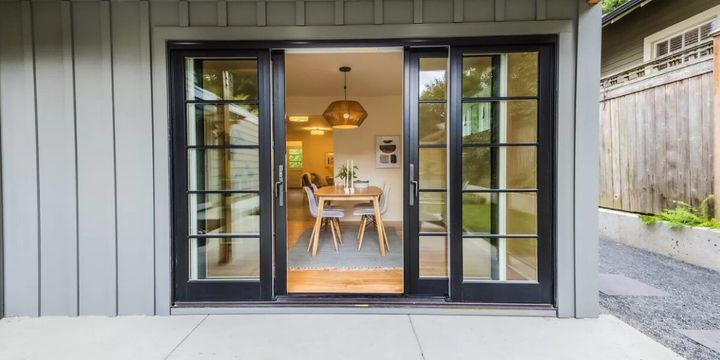
Another trend involves black-framed industrial glass doors. This design style remains popular in offices, kitchens, and interior partitions because it combines minimalist design with visible structural framing.
Sustainability has also become a major topic in modern construction discussions. Many new building projects now focus on:
- Low-emissivity glass coatings
- Solar heat reduction technology
- Recycled aluminum framing
- Thermal insulation performance
- Daylight optimization strategies
In 2025, several architecture publications highlighted increasing interest in biophilic design. This concept emphasizes stronger visual connections between indoor and outdoor environments. Large sliding glass systems and floor-to-ceiling glass entrances are often associated with this approach.
Safety improvements have also continued evolving. Tempered glass and laminated safety glass remain standard recommendations for many residential and commercial applications. Some modern systems now include enhanced shatter-resistance layers and improved impact testing procedures.
Another recent shift involves smart home integration. Certain glass door systems now connect with:
- Mobile access controls
- Automated locking systems
- Motion sensors
- Smart climate monitoring
- Digital privacy settings
These developments reflect broader trends in sustainable architecture and connected building technology.
Laws, Building Policies, and Safety Regulations
Glass door systems are influenced by building regulations and safety standards in many countries. These rules are designed to improve occupant safety, energy performance, and accessibility.
One important regulation area involves safety glazing requirements. Building codes often require tempered or laminated safety glass in locations where human impact risks are higher, such as:
- Entry doors
- Shower enclosures
- Balcony doors
- Low-level glazing panels
- Commercial access points
Energy-efficiency policies may also affect glass selection. Some building standards encourage or require insulated glazing systems to improve thermal performance and reduce energy consumption.
Accessibility regulations are another important factor. Public buildings frequently follow accessibility guidelines related to:
- Door opening width
- Handle placement
- Automated entry systems
- Visibility markings on transparent glass
Fire safety standards can also influence the use of specialized fire-rated glass in commercial or institutional settings.
The following table summarizes common policy areas connected to glass door systems:
| Policy Area | Typical Requirement |
|---|---|
| Safety Standards | Tempered or laminated glass |
| Energy Regulations | Insulated glazing performance |
| Accessibility Rules | Wider access and visibility |
| Fire Safety Codes | Fire-rated glass systems |
| Structural Compliance | Wind and impact resistance |
Because regulations vary by region, architects and property owners usually consult local construction guidelines before installation or renovation projects.
Helpful Tools, Platforms, and Educational Resources
Several digital tools and educational resources can help people understand glass door layouts, materials, and architectural planning concepts.
Design visualization software is commonly used for experimenting with layouts and lighting conditions. These tools help users preview how different glass door styles may affect interior spaces.
Useful categories of resources include:
- Interior design visualization platforms
- Building energy efficiency calculators
- Architectural drafting software
- Smart home compatibility guides
- Material durability comparison charts
- Safety glass specification references
Popular educational resources often include:
| Resource Type | Purpose |
|---|---|
| Design Inspiration Platforms | Explore modern layouts |
| CAD Software | Create architectural plans |
| Energy Performance Calculators | Analyze insulation efficiency |
| Building Code Databases | Review compliance standards |
| Smart Home Guides | Understand automation features |
Many architecture and construction organizations also publish educational materials about glazing systems, acoustic performance, sustainability, and daylight optimization.
When researching glass door ideas, people often compare:
- Frosted versus clear glass
- Sliding versus hinged systems
- Framed versus frameless structures
- Single versus double glazing
- Acoustic insulation ratings
- UV protection features
These comparisons help users understand design functionality rather than focusing only on appearance.
Frequently Asked Questions
Are glass doors suitable for small spaces?
Yes. Sliding and frameless glass door systems are commonly used in compact spaces because they allow light movement while minimizing visual barriers. This can make interiors appear more open.
What is the difference between tempered and laminated glass?
Tempered glass is heat-treated to improve strength and typically breaks into small pieces. Laminated glass contains bonded layers with an internal film that helps hold fragments together after impact.
Do glass doors support energy efficiency?
Modern insulated glass systems can contribute to thermal control and daylight optimization. Double-glazed panels and low-emissivity coatings are often associated with improved energy performance.
Are frosted glass doors useful for privacy?
Frosted glass is designed to diffuse visibility while still allowing light transmission. It is commonly used in bathrooms, offices, and meeting rooms.
What are current design trends for glass doors?
Recent trends include black metal frames, minimalist frameless systems, smart privacy glass, large sliding panels, and energy-efficient glazing materials.
Conclusion
Glass door ideas continue evolving alongside modern architecture, sustainability goals, and smart building technology. These systems are valued for their ability to support natural lighting, visual openness, and flexible interior layouts across residential and commercial environments.
Recent developments in insulated glazing, safety standards, and smart glass technology have expanded the range of available design options. At the same time, building regulations and energy-efficiency policies continue shaping how glass door systems are selected and installed.
Understanding different door types, safety considerations, material technologies, and architectural trends can help readers make informed decisions when exploring modern interior and exterior design concepts. Educational resources, visualization tools, and compliance references also provide valuable support for learning more about contemporary glass door solutions and design planning.