Explore Electrical Equipment Manufacturing: Guide, Basics, Insights, and Industry Knowledge
Electrical equipment manufacturing is a major part of the global industrial sector. It includes the design, development, assembly, and testing of devices and systems that generate, distribute, control, and use electricity. Products in this industry range from transformers and circuit breakers to industrial automation systems, smart meters, electric motors, and renewable energy components.
The industry exists because modern economies rely heavily on electricity for transportation, communication, healthcare, construction, manufacturing, and digital infrastructure. As technology evolves, electrical equipment manufacturers continue to improve energy efficiency, safety, and system reliability.
Today, electrical equipment manufacturing supports both traditional industries and emerging technologies such as electric vehicles, smart grids, and renewable energy systems.
Understanding Electrical Equipment Manufacturing
Electrical equipment manufacturing refers to the industrial process of producing electrical devices and components used in homes, businesses, factories, and public infrastructure.
Common product categories include:
- Power generation equipment
- Industrial control systems
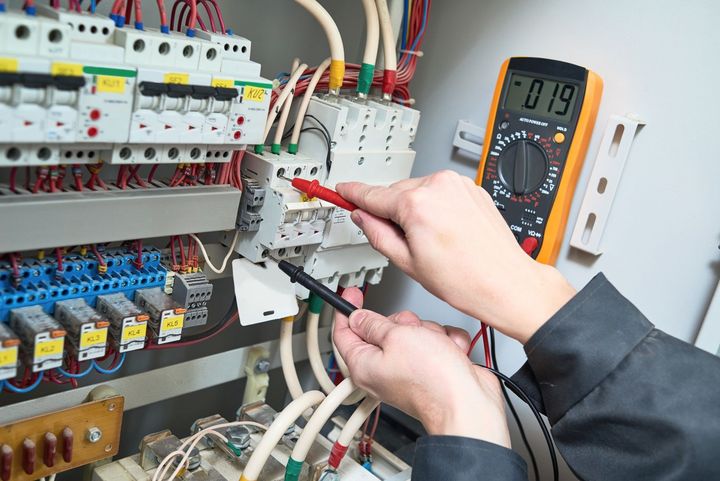
- Electrical distribution panels
- Switchgear and transformers
- Electric motors and generators
- Smart sensors and automation devices
- Renewable energy equipment
- Semiconductor-related electrical components
The manufacturing process typically includes:
| Manufacturing Stage | Purpose |
|---|---|
| Product Design | Engineering and technical planning |
| Material Processing | Preparing metals, plastics, and semiconductors |
| Assembly | Combining electrical and mechanical components |
| Quality Testing | Ensuring safety and performance standards |
| Distribution | Delivering products to industries and infrastructure projects |
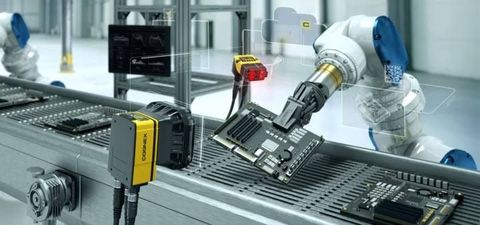
Electrical engineering, robotics, software systems, and precision manufacturing all play an important role in this sector.
Why Electrical Equipment Manufacturing Matters Today
Electrical equipment manufacturing is important because it supports modern infrastructure and economic development. Nearly every sector depends on reliable electrical systems.
Industries affected by this sector include:
- Construction and real estate
- Renewable energy development
- Transportation and mobility
- Telecommunications
- Data centers and cloud computing
- Healthcare technology
- Consumer electronics
- Industrial automation
One of the biggest contributions of the industry is improving energy efficiency. Modern electrical equipment helps reduce energy waste, improve grid stability, and support cleaner energy systems.
The sector also helps address several global challenges:
| Challenge | Industry Contribution |
| Rising electricity demand | Advanced power distribution systems |
| Climate concerns | Renewable energy integration |
| Industrial productivity | Automation and robotics |
| Aging infrastructure | Smart grid modernization |
| Energy losses | Efficient electrical components |
Smart manufacturing technologies have also increased operational accuracy. Many factories now use Industrial Internet of Things (IIoT) systems, predictive maintenance tools, and automated inspection technologies.
Recent Updates and Industry Trends
Over the past year, several developments have influenced electrical equipment manufacturing worldwide.
Expansion of Smart Grid Technologies
During 2025 and early 2026, utility companies in multiple regions expanded smart grid investments to improve energy management and reduce outages. Smart meters, digital substations, and AI-supported monitoring systems became more common.
This trend is linked to increasing electricity demand from electric vehicles, cloud computing infrastructure, and renewable energy installations.
Growth of Semiconductor Manufacturing
Semiconductor manufacturing investments continued growing throughout 2025. Electrical equipment producers increased production of precision power management systems, industrial sensors, and electronic control units used in advanced technologies.
The demand for automation hardware and industrial robotics also increased due to ongoing digital transformation initiatives.
Renewable Energy Equipment Expansion
Renewable energy technology remained a major growth area in 2025. Manufacturers focused on equipment related to:
- Solar power systems
- Wind turbine electronics
- Battery energy storage systems
- Grid integration technologies
- Power conversion systems
Governments and private organizations continued investing in cleaner energy infrastructure, increasing the need for electrical components and advanced energy management systems.
Artificial Intelligence in Manufacturing
AI-assisted manufacturing became more common during 2025. Factories increasingly adopted:
- Predictive maintenance systems
- Automated quality inspection
- Supply chain analytics
- Smart robotics
- Energy monitoring platforms
These technologies improved production accuracy and reduced downtime.
Cybersecurity and Industrial Protection
As factories became more connected digitally, industrial cybersecurity became a larger concern. Electrical manufacturers increased focus on protecting industrial control systems and operational technology networks from cyber threats.
Industry Growth Overview
| Industry Segment | Recent Trend |
| Smart Grid Equipment | Rapid expansion |
| Renewable Energy Components | Strong growth |
| Industrial Automation | Increased adoption |
| Semiconductor Systems | Higher investment |
| AI Manufacturing Tools | Wider implementation |
Laws, Regulations, and Government Policies
Electrical equipment manufacturing is highly regulated because safety and reliability are critical.
Most countries apply standards related to:
- Electrical safety
- Energy efficiency
- Environmental protection
- Workplace safety
- Product certification
- Electromagnetic compatibility
Manufacturers usually follow internationally recognized standards developed by organizations such as:
- International Electrotechnical Commission (IEC)
- International Organization for Standardization (ISO)
- Institute of Electrical and Electronics Engineers (IEEE)
Energy efficiency regulations have become stricter in many regions. Governments increasingly encourage manufacturers to develop low-energy systems and environmentally responsible production methods.
Environmental policies often focus on:
- Reducing industrial emissions
- Managing electronic waste
- Limiting hazardous materials
- Supporting renewable energy systems
Several governments also introduced infrastructure modernization programs during 2025 to strengthen energy networks and industrial resilience.
Example of Regulatory Areas
| Regulatory Focus | Purpose |
| Electrical Safety Standards | Reduce operational hazards |
| Energy Efficiency Rules | Lower power consumption |
| Environmental Compliance | Reduce pollution and waste |
| Industrial Cybersecurity | Protect digital infrastructure |
| Product Certification | Ensure quality and reliability |
Compliance is important because non-certified equipment may face restrictions in international markets.
Tools and Resources Related to Electrical Equipment Manufacturing
Various digital tools and technical resources help manufacturers, engineers, and researchers improve efficiency and product quality.
Engineering and Design Software
Popular engineering software categories include:
- Computer-Aided Design (CAD) platforms
- Electrical simulation software
- PCB design tools
- Industrial automation software
- Digital twin systems
These tools help engineers test designs before physical production begins.
Industrial Automation Platforms
Automation systems help monitor production lines and improve operational control.
Common technologies include:
- Programmable Logic Controllers (PLCs)
- Supervisory Control and Data Acquisition (SCADA)
- Industrial robotics systems
- Machine vision inspection tools
Energy Efficiency Calculators
Energy analysis calculators help estimate:
- Power consumption
- Load balancing
- Transformer efficiency
- Industrial energy usage
These tools support sustainability planning and infrastructure optimization.
Online Learning Resources
Educational resources related to electrical equipment manufacturing include:
| Resource Type | Purpose |
| Technical Documentation | Product and engineering references |
| Engineering Journals | Industry research and analysis |
| Automation Training Platforms | Industrial technology education |
| Safety Standards Databases | Regulatory compliance guidance |
| Semiconductor Research Portals | Technology development insights |
Data Monitoring and Analytics Systems
Modern factories increasingly use analytics dashboards to monitor:
- Production efficiency
- Equipment performance
- Energy consumption
- Predictive maintenance alerts
- Supply chain activity
These systems improve operational decision-making.
Frequently Asked Questions
What is electrical equipment manufacturing?
Electrical equipment manufacturing is the industrial process of producing devices and systems that generate, distribute, control, or use electrical power. Examples include transformers, motors, automation systems, and electrical panels.
Why is this industry important?
The industry supports energy systems, transportation, telecommunications, healthcare, manufacturing, and digital infrastructure. Reliable electrical equipment is essential for modern economies and daily life.
What technologies are changing the industry?
Important technologies include artificial intelligence, industrial automation, robotics, smart grid systems, renewable energy integration, and semiconductor-based control systems.
What are smart grids?
Smart grids are advanced electrical networks that use digital communication and automation to improve electricity distribution, energy monitoring, and system reliability.
How do regulations affect manufacturers?
Regulations require manufacturers to meet safety, energy efficiency, environmental, and quality standards. Compliance helps ensure reliable operation and international market acceptance.
What skills are commonly associated with this field?
Common areas of knowledge include electrical engineering, automation systems, industrial software, robotics, energy management, quality control, and industrial cybersecurity.
Conclusion
Electrical equipment manufacturing remains one of the most important industrial sectors in the modern economy. It supports power systems, renewable energy infrastructure, automation technologies, and digital transformation across many industries.
Recent developments in artificial intelligence, smart manufacturing, semiconductor systems, and energy efficiency continue reshaping the industry. At the same time, stricter regulations and sustainability goals are encouraging manufacturers to improve safety, reliability, and environmental performance.
As global infrastructure becomes increasingly connected and electrified, electrical equipment manufacturing will likely continue evolving through innovation, automation, and advanced energy technologies. Understanding the basics of this sector helps explain how modern electrical systems operate and why they remain essential for economic and technological progress.