Explore Economy, Business, and Premium Flight Options to Dubai
International air travel has evolved significantly over the past several decades. Airlines now provide multiple cabin categories designed to accommodate different travel preferences, schedules, and comfort expectations. The most common flight categories include economy class, business class, and premium cabin options.
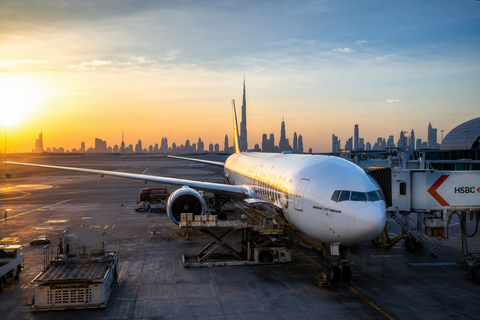
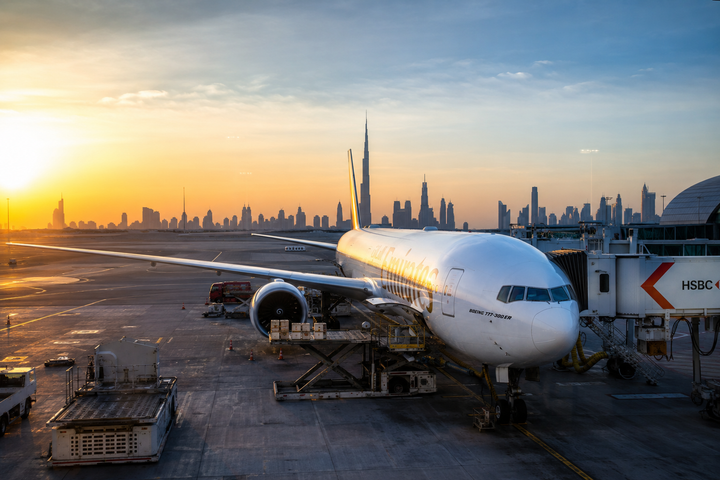
Dubai has become one of the world’s most active international aviation hubs. Located in the United Arab Emirates (UAE), the city connects travelers from Asia, Europe, Africa, and North America through major international airports and airline networks.
Flight classes exist because passengers have different travel requirements. Some travelers prioritize affordability and efficient transportation, while others may focus on workspace access, additional comfort, privacy, or extended flight convenience during long-haul journeys.
The aviation industry generally categorizes travel cabins into the following groups:
| Cabin Category | General Characteristics |
|---|---|
| Economy Class | Standard seating and basic onboard amenities |
| Premium Economy | Additional legroom and upgraded seating features |
| Business Class | Enhanced comfort, lounge access, and workspace features |
| First or Premium Suites | Expanded privacy and luxury-focused cabin layouts |
Economy cabins are designed to accommodate larger passenger volumes with efficient seating arrangements. Business and premium cabins often include wider seats, upgraded meal options, priority boarding, and quieter cabin environments.
Dubai’s aviation ecosystem developed rapidly because of its strategic geographic location. Airlines operating through Dubai connect major global financial centers, tourism destinations, and commercial regions. As international mobility increased, demand also expanded for premium travel experiences and flexible flight arrangements.
Why Flight Class Options Matter Today
Cabin categories influence passenger experience, travel productivity, airport access, and long-haul comfort. For many travelers, selecting an appropriate cabin type can affect convenience during international journeys lasting several hours.
The topic matters today because global travel patterns have changed considerably in recent years. Increased business travel, digital work culture, tourism growth, and long-distance international connectivity have created diverse passenger expectations.
Flight cabin choices commonly affect:
- Corporate travelers
- International students
- Tourists
- Transit passengers
- Families
- Long-haul travelers
- Medical travelers
Business and premium travel categories have become increasingly important for travelers who require:
- Extended workspace access
- Airport lounge facilities
- Flexible baggage allowances
- Additional privacy
- Improved sleep conditions during overnight flights
The following table highlights common cabin comparisons:
| Feature | Economy | Business | Premium Cabin |
|---|---|---|---|
| Seating Space | Standard | Expanded | Enhanced |
| Airport Lounge Access | Limited | Common | Often Included |
| Boarding Priority | Standard | Faster Access | Priority Access |
| Workspace Convenience | Basic | Improved | Advanced |
| Long-Haul Comfort | Moderate | Higher | Highest |
Dubai’s airports also support high passenger volumes because the city functions as a major transit destination. Travelers connecting between continents often pass through Dubai International Airport (DXB), one of the busiest international airports globally.
Another reason the topic matters is the growth of aviation-linked financial products and travel-related planning. Travelers now frequently evaluate:
- Travel insurance information
- International airport policies
- Visa documentation requirements
- Airline loyalty programs
- Lounge memberships
- Travel rewards systems
These factors influence overall travel preparation and passenger experience.
Recent Aviation Trends and Dubai Travel Updates
The aviation industry experienced several important developments throughout 2025 and early 2026. Airlines expanded digital systems, updated passenger verification technologies, and introduced more sustainability-focused operational practices.
Dubai remained a major international aviation center during this period. Passenger traffic recovery continued to strengthen following earlier global travel disruptions.
Several recent developments include:
- Increased biometric boarding systems at major airports during 2025
- Expanded digital immigration processing
- Growth in premium economy cabin adoption
- Improved airport automation systems
- Expanded sustainable aviation fuel initiatives
The following chart summarizes notable aviation trends connected to Dubai travel:
| Aviation Trend | Industry Direction |
|---|---|
| Premium Economy Expansion | Strong Growth |
| Digital Check-In Systems | Widely Adopted |
| Contactless Airport Technology | Increasing |
| Sustainable Aviation Initiatives | Developing |
| Smart Airport Infrastructure | High Priority |
In late 2025, several international airlines continued upgrading long-haul aircraft cabins with redesigned seating layouts and advanced entertainment systems. Airlines also increased focus on onboard Wi-Fi connectivity to support remote work and digital communication during flights.
Dubai International Airport also continued infrastructure modernization projects aimed at passenger flow optimization and automated processing systems.
Another important trend involved travel documentation digitization. Many countries increasingly integrated digital travel verification systems, electronic visa management, and mobile boarding technologies.
Premium travel demand also continued to rise because more travelers sought flexible schedules, workspace access, and quieter cabin experiences during long-haul flights.
Environmental sustainability became another major focus area. Airlines and airport operators introduced programs related to:
- Carbon reduction targets
- Fuel efficiency improvements
- Sustainable aviation fuel research
- Waste reduction initiatives
- Paperless boarding systems
Laws, Regulations, and Travel Policies
International air travel operates under strict aviation regulations established by governments and international organizations. Travel to Dubai is affected by UAE immigration policies, airport regulations, airline compliance standards, and international aviation agreements.
Key regulatory areas include:
- Passport validity requirements
- Visa and entry documentation
- Airport security procedures
- Baggage screening regulations
- Customs declarations
- Aviation safety standards
Travelers entering the UAE generally require valid passports and may need visas depending on nationality and travel purpose. UAE immigration systems also include digital processing tools and electronic verification systems.
The following table outlines major regulatory areas affecting international travelers:
| Policy Area | Purpose |
|---|---|
| Immigration Rules | Entry eligibility verification |
| Aviation Safety Standards | Passenger protection |
| Customs Regulations | Goods declaration requirements |
| Baggage Policies | Security and operational compliance |
| Passenger Rights Regulations | Travel transparency |
Airlines operating international routes must comply with regulations established by organizations such as:
- International Civil Aviation Organization (ICAO)
- International Air Transport Association (IATA)
- UAE General Civil Aviation Authority (GCAA)
Dubai airports also maintain policies related to:
- Transit passenger movement
- Security screening
- Restricted item management
- Health and safety procedures
Travel insurance policies are another important consideration for international passengers because they may provide support related to trip interruptions, baggage issues, or medical emergencies during travel.
Data privacy regulations have also become increasingly relevant because airlines and airports now use biometric systems, digital boarding passes, and automated traveler verification technologies.
Helpful Travel Tools and Resources
Modern travelers have access to a wide range of digital tools that simplify international flight planning and airport navigation.
Commonly used travel resources include:
| Tool or Platform Type | Purpose |
|---|---|
| Flight Tracking Applications | Monitor schedules and delays |
| Airport Navigation Apps | Terminal guidance and gate tracking |
| Travel Insurance Calculators | Coverage comparison |
| Currency Conversion Tools | International financial planning |
| Baggage Allowance Checkers | Airline compliance information |
Many travelers also use:
- Mobile boarding applications
- Visa information portals
- Airline loyalty dashboards
- Airport lounge directories
- Travel document organizers
Helpful airport-related resources may include:
- Dubai airport maps
- Immigration guidance portals
- Customs information platforms
- Airline cabin comparison tools
- International travel advisory websites
Some travelers also rely on digital productivity tools during long-haul flights, including:
- Offline document applications
- Translation tools
- International roaming management apps
- Time-zone planners
- Flight itinerary organizers
The following table highlights commonly referenced travel preparation categories:
| Travel Preparation Area | Helpful Resource Type |
|---|---|
| Documentation | Passport and visa checklists |
| Airport Navigation | Terminal mapping tools |
| International Connectivity | Roaming and Wi-Fi information |
| Flight Scheduling | Real-time flight tracking |
| Baggage Planning | Airline baggage policy resources |
Understanding these resources can help travelers better prepare for international airport procedures and long-distance flights.
Frequently Asked Questions
What is the difference between economy and business class?
Economy class generally provides standard seating and basic onboard facilities. Business class often includes expanded seating space, priority boarding, airport lounge access, and enhanced cabin comfort.
What is premium economy?
Premium economy is a cabin category positioned between economy and business class. It typically includes additional legroom, upgraded seating, and improved onboard amenities compared to standard economy cabins.
Why is Dubai an important aviation hub?
Dubai is strategically located between major global regions, making it an important international transit and travel connection point for airlines and passengers.
What documents are commonly required for international travel to Dubai?
Travelers generally require valid passports and may need visas depending on nationality and travel conditions. Airlines and immigration authorities may also request additional travel documentation.
What is airport lounge access?
Airport lounges are designated passenger areas that may include seating spaces, refreshments, workspace facilities, and quieter waiting environments. Access policies vary by airline and cabin category.
How do airlines manage long-haul passenger comfort?
Airlines use different cabin layouts, seating designs, entertainment systems, lighting controls, and onboard amenities to improve passenger comfort during extended international flights.
Dubai Aviation and Travel Overview
The following chart summarizes major components of international travel connected to Dubai:
| Travel Component | Importance |
|---|---|
| Airport Infrastructure | Supports global connectivity |
| Airline Networks | Connect international regions |
| Digital Immigration Systems | Improves passenger processing |
| Premium Cabin Expansion | Addresses changing traveler needs |
| Aviation Regulations | Maintains operational safety |
Understanding Cabin Categories
Travel cabin categories continue evolving as airlines adapt to changing passenger expectations and technological innovation.
| Cabin Type | Typical Focus |
|---|---|
| Economy | Efficient international transportation |
| Premium Economy | Improved comfort and flexibility |
| Business Class | Productivity and enhanced travel experience |
| Premium Suites | Privacy-focused long-haul travel |
Passengers often evaluate multiple factors before selecting cabin categories, including travel duration, airport connectivity, baggage requirements, and onboard workspace needs.
Conclusion
Dubai remains one of the world’s most significant international aviation hubs, connecting travelers across multiple continents through advanced airport infrastructure and global airline networks. Economy, business, and premium cabin options exist to address different passenger requirements related to comfort, productivity, flexibility, and long-haul travel experience.
Recent developments such as biometric airport systems, digital travel verification, sustainable aviation initiatives, and expanded premium economy cabins continue reshaping the global aviation sector. Regulations related to immigration, passenger safety, airport operations, and international aviation standards also play an important role in maintaining structured travel systems.
For general travelers, understanding cabin categories, airport processes, travel documentation requirements, and available digital resources can help simplify international travel preparation and improve awareness of modern aviation systems.