Explore Destination Wedding Guide: Tips, Insights, Planning Advice, and Celebration Ideas
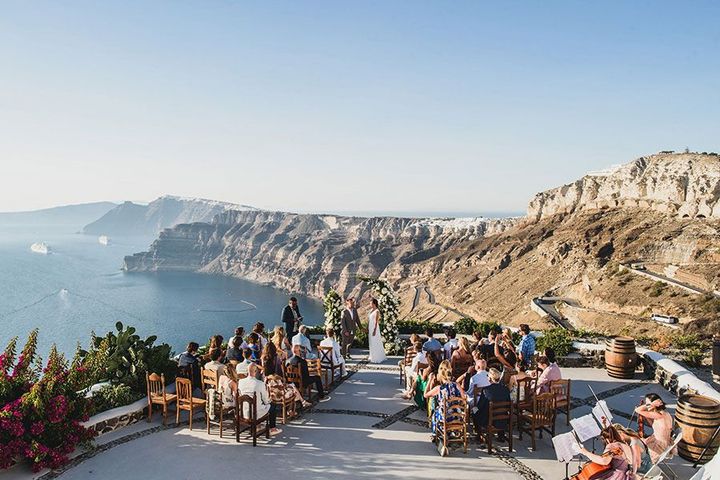
A destination wedding is a wedding celebration held in a location away from the couple’s hometown. These events are often organized in scenic places such as beaches, mountains, countryside resorts, islands, vineyards, or historical cities. The idea became popular because many couples wanted a more personalized and memorable celebration experience that combines travel, culture, and family gatherings.
Destination weddings can vary in size and style. Some couples choose intimate ceremonies with close family members, while others organize multi-day celebrations with larger guest lists. These weddings may include welcome dinners, sightseeing activities, cultural events, and post-wedding gatherings.
People often select destination weddings to create a unique atmosphere, enjoy beautiful surroundings, and combine wedding celebrations with vacation experiences. The approach also allows families and friends to spend more quality time together during the event period.
Why Destination Weddings Matter Today
Destination weddings have become more common because modern couples increasingly value experiences and travel-oriented celebrations. Social media platforms, digital wedding inspiration galleries, and travel-focused event planning have also influenced this trend.
The topic matters to several groups, including:
- Couples planning marriage ceremonies
- Families coordinating guest travel
- Wedding planners and hospitality professionals
- Travel organizers and photographers
- Legal advisors handling international documentation
Destination weddings help solve several common wedding challenges:
| Common Challenge | How Destination Weddings Help |
|---|---|
| Limited local venue options | Provides wider location choices |
| Large guest pressure | Often encourages smaller guest lists |
| Short celebration duration | Allows multi-day experiences |
| Traditional format expectations | Supports personalized ceremonies |
| Separate honeymoon planning | Combines wedding and travel experiences |
Another important aspect is flexibility. Couples today often prefer customized ceremonies that reflect personal values, cultural backgrounds, and shared interests rather than strictly formal traditions.
Popular Destination Wedding Trends
Recent trends show that many couples are choosing environmentally conscious weddings, smaller gatherings, and technology-supported planning methods.
Some major wedding trends observed during 2025 and early 2026 include:
- Eco-friendly wedding décor and reduced waste planning
- Digital invitations and RSVP systems
- Hybrid celebrations with live-streamed ceremonies
- Multi-day cultural experiences for guests
- Wellness-focused wedding itineraries
- Smaller guest lists with extended activities
- Personalized travel experiences for attendees
According to multiple hospitality and travel industry reports published in 2025, international wedding tourism has continued growing due to increased travel accessibility and social media influence. Couples are also showing interest in quieter locations instead of heavily crowded tourist destinations.
Technology and Digital Planning
Technology now plays a major role in wedding coordination. Many couples use:
- Wedding planning applications
- Digital seating chart tools
- Guest management platforms
- Online budgeting calculators
- Shared travel itineraries
- Cloud-based photo albums
These digital solutions help simplify communication between guests, planners, and vendors located in different countries or regions.
Planning Considerations for Destination Weddings
Planning a destination wedding usually requires more coordination than a traditional local ceremony. Travel logistics, documentation, weather conditions, and guest accommodation become important factors.
Key Areas to Prepare
| Planning Area | Important Considerations |
| Venue Selection | Climate, accessibility, local facilities |
| Guest Coordination | Travel schedules, accommodations |
| Budget Management | Transportation and event expenses |
| Documentation | Passports, marriage certificates |
| Seasonal Timing | Weather and tourism conditions |
| Local Customs | Cultural expectations and traditions |
Couples are generally advised to begin planning several months in advance to avoid scheduling issues and documentation delays.
Travel and Guest Communication
Guest communication is one of the most important parts of destination wedding preparation. Since attendees may travel long distances, organizers often provide:
- Travel schedules
- Accommodation suggestions
- Packing guidance
- Transportation information
- Local weather updates
- Emergency contact details
Clear communication helps reduce confusion and improves the overall guest experience.
Legal and Policy Considerations
Marriage laws differ across countries and regions. Some destinations require residency periods, translated documents, witness requirements, or additional approvals before marriages can legally take place.
Couples should review:
- Passport validity rules
- Visa requirements
- Marriage registration procedures
- Minimum age laws
- Local ceremony restrictions
- Property and event permits
Some countries also require couples to submit birth certificates, proof of single status, or notarized identification documents.
Common Legal Requirements
| Requirement | Purpose |
| Passport Verification | Identity confirmation |
| Marriage License | Legal authorization |
| Witness Documentation | Ceremony validation |
| Translation Services | International document accuracy |
| Travel Insurance | Trip protection support |
During 2025, several tourism-focused countries updated digital visa systems and online appointment procedures to simplify international event travel. Some destinations also introduced sustainable tourism guidelines affecting large event planning.
Government tourism boards in various countries now encourage responsible tourism practices, including environmental protection and local cultural respect during events and celebrations.
Helpful Tools and Resources
Many digital platforms help couples organize destination weddings more efficiently. These resources assist with travel planning, guest coordination, budgeting, and scheduling.
Useful Planning Resources
| Tool Type | Purpose |
| Wedding Budget Calculators | Expense tracking |
| Travel Planning Apps | Flight and hotel coordination |
| Digital RSVP Platforms | Guest response management |
| Weather Forecast Tools | Seasonal planning |
| Translation Apps | International communication |
| Shared Document Platforms | Planning collaboration |
Popular Wedding Planning Categories
- Venue comparison websites
- Event scheduling tools
- Wedding photography portfolio platforms
- Travel itinerary planners
- Digital invitation creators
- Group communication apps
- Wedding checklist templates
Destination Wedding Celebration Ideas
Modern destination weddings often include activities beyond the main ceremony. These events help guests feel more connected and create longer-lasting memories.
Popular celebration ideas include:
- Beach sunset ceremonies
- Garden receptions
- Cultural dance performances
- Welcome dinner gatherings
- Outdoor adventure experiences
- Local cuisine tastings
- Group sightseeing activities
- Post-wedding brunch events
Some couples also organize themed celebrations based on local traditions, seasonal festivals, or historical venues. Personalized guest experiences have become increasingly important in recent years.
Financial Planning and Budget Awareness
Financial preparation remains an important part of wedding planning. While destination weddings can sometimes reduce guest numbers, travel-related expenses may increase depending on location and event size.
Main Expense Categories
| Expense Area | Examples |
| Travel | Flights, transportation |
| Accommodation | Hotels, villas |
| Venue Arrangements | Ceremony setup |
| Food and Dining | Group meals, receptions |
| Photography | Event coverage |
| Documentation | Legal paperwork |
Budget tracking tools and shared spreadsheets are commonly used to monitor expenses and avoid overspending.
Frequently Asked Questions
What is the difference between a traditional wedding and a destination wedding?
A traditional wedding usually takes place near the couple’s hometown, while a destination wedding is organized in a different location where travel is required for most guests.
How early should destination wedding planning begin?
Many planners recommend starting preparations several months in advance because travel coordination, legal paperwork, and venue scheduling may take additional time.
Are destination weddings legally recognized internationally?
Legal recognition depends on the marriage laws of the country where the ceremony takes place. Couples often need official documentation and government approvals.
What are some popular destination wedding locations?
Popular locations include beaches, mountain resorts, vineyards, islands, lakeside venues, countryside estates, and historical cities.
How can guests prepare for a destination wedding?
Guests can prepare by reviewing travel requirements, confirming accommodation arrangements, checking weather forecasts, and organizing travel documents early.
Conclusion
Destination weddings continue to evolve as couples seek personalized, travel-inspired celebrations that combine meaningful experiences with memorable locations. These events involve careful planning, legal awareness, guest coordination, and financial preparation.
Modern trends show growing interest in sustainability, smaller gatherings, digital planning tools, and culturally inspired celebrations. As travel and technology continue to improve, destination weddings are likely to remain an important part of the global wedding and tourism landscape.
Understanding the practical, legal, and logistical aspects of destination weddings can help couples and families make informed decisions while creating organized and enjoyable celebrations for everyone involved.