Electric Vehicle Grid Systems Explore Guide: Tips, Insights, Advice, Basics, and Resources
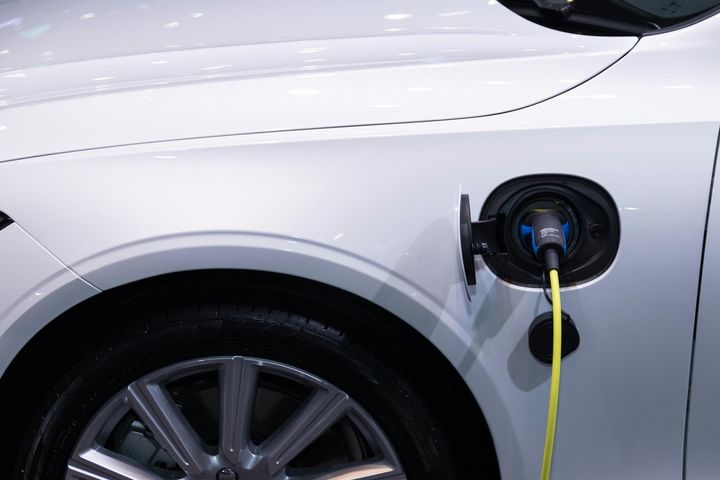
Electric vehicle grid systems refer to the infrastructure and technologies that connect electric vehicles (EVs) to the power grid. These systems include charging stations, energy distribution networks, smart meters, and communication technologies that enable efficient electricity flow between vehicles and the grid.
The concept exists to support the growing adoption of electric vehicles by ensuring that energy supply meets charging demand. As EV usage increases, traditional power systems require upgrades to handle additional load and maintain stability.
Electric vehicle grid systems are closely linked to areas such as EV charging infrastructure insights, smart grid technology solutions, and renewable energy integration systems. These systems help manage when and how vehicles charge, reducing stress on the grid and improving energy efficiency.
In advanced setups, EVs can also send energy back to the grid through a process known as vehicle-to-grid (V2G). This creates a two-way relationship where vehicles act as both energy consumers and temporary storage units.
Importance – Why Electric Vehicle Grid Systems Matter Today
Electric vehicle grid systems are important because they enable the transition from traditional fuel-based transportation to electric mobility. Without proper grid integration, large-scale EV adoption could lead to energy shortages or inefficient power usage.
One key benefit is load management. Smart grid systems can distribute electricity demand across different times of the day, preventing overload during peak hours. This supports energy management system optimization and improves grid reliability.
Another important aspect is sustainability. EV grid systems facilitate the use of renewable energy sources such as solar and wind power. This reduces dependence on fossil fuels and supports environmental goals.
These systems are relevant for:
- EV users relying on electric vehicle charging solutions
- Utility providers managing smart grid infrastructure systems
- Policymakers developing clean energy transition strategies
- Businesses involved in energy storage and distribution technologies
They help solve challenges such as:
- Increased electricity demand from EV charging
- Grid instability during peak usage
- Integration of renewable energy sources
- Limited charging infrastructure in certain areas
The table below compares traditional power usage and EV-integrated grid systems:
| Feature | Traditional Grid Usage | EV Grid System Integration |
|---|---|---|
| Energy Flow | One-way | Two-way (with V2G) |
| Demand Management | Fixed patterns | Dynamic and optimized |
| Renewable Integration | Limited | High compatibility |
| Load Distribution | Peak-heavy | Balanced through smart charging |
| Flexibility | Low | High |
This comparison highlights the efficiency and adaptability of EV-integrated systems.
Recent Updates – Trends and Developments (2025–2026)
Electric vehicle grid systems have seen significant advancements in the past year, driven by policy support and technological innovation.
One major trend is the expansion of smart charging networks. Since 2025, many regions have introduced systems that automatically adjust charging times based on grid demand. This supports smart EV charging technology insights.
Another important development is the growth of vehicle-to-grid (V2G) technology. Pilot projects have demonstrated how EVs can supply energy back to the grid during peak demand, improving stability.
Renewable energy integration has also progressed. Charging stations are increasingly connected to solar and wind energy sources, aligning with sustainability goals.
The table below summarizes recent trends:
| Trend (2025–2026) | Description |
|---|---|
| Smart charging systems | Automated scheduling based on grid demand |
| Vehicle-to-grid (V2G) | EVs supplying energy back to the grid |
| Renewable energy integration | Use of solar and wind power for charging |
| Fast-charging expansion | Increased availability of high-speed charging stations |
| Grid digitalization | Use of AI and data analytics for energy management |
These trends indicate a shift toward more intelligent and sustainable energy systems.
Laws or Policies – Regulations and Programs in India
Electric vehicle grid systems in India are influenced by government policies aimed at promoting clean energy and sustainable transportation.
One key initiative is the National Electric Mobility Mission Plan (NEMMP), which supports EV adoption and infrastructure development. Additionally, the Faster Adoption and Manufacturing of Electric Vehicles (FAME) scheme provides incentives for EV usage and charging infrastructure.
Regulatory considerations include:
- Standards for EV charging stations and connectors
- Guidelines for grid integration and energy distribution
- Policies promoting renewable energy usage
- Data and cybersecurity regulations for smart grid systems
The Ministry of Power and NITI Aayog play important roles in shaping these policies and frameworks.
These regulations ensure that EV grid systems are safe, efficient, and aligned with national energy goals.
Tools and Resources – Platforms and Utilities
Various tools and resources help individuals and organizations understand and interact with electric vehicle grid systems.
Commonly used resources include:
- Mobile apps for locating EV charging stations
- Energy monitoring tools for tracking electricity usage
- Smart grid management platforms
- Educational resources on electric vehicle infrastructure insights
Examples of useful tools include:
- PlugShare for finding charging points
- Tata Power EZ Charge for tracking charging infrastructure
- ChargePoint for global charging access
- Energy dashboards for monitoring consumption and efficiency
The table below categorizes these resources:
| Resource Type | Purpose |
|---|---|
| Charging apps | Locate and navigate charging stations |
| Energy monitoring tools | Track electricity usage and efficiency |
| Grid management systems | Optimize energy distribution |
| Educational platforms | Explain EV and grid integration concepts |
| Data analytics tools | Provide insights into energy patterns |
These tools support better understanding and efficient use of EV grid systems.
FAQs – Common Questions About Electric Vehicle Grid Systems
What is an electric vehicle grid system?
It is a network that connects electric vehicles to the power grid, enabling charging and energy exchange.
What is vehicle-to-grid (V2G)?
V2G is a technology that allows electric vehicles to send stored energy back to the grid when needed.
How do smart charging systems work?
Smart charging systems adjust charging times and power levels based on grid demand and availability.
Are EV grid systems environmentally friendly?
Yes, they support the use of renewable energy and reduce reliance on fossil fuels.
What challenges do EV grid systems face?
Challenges include infrastructure development, grid capacity management, and integration of renewable energy sources.
Conclusion
Electric vehicle grid systems are a key component of the transition to sustainable transportation and energy management. By connecting EVs with smart grids, these systems enable efficient charging, improved energy distribution, and integration of renewable resources.
The importance of EV grid systems continues to grow as electric vehicle adoption increases. Recent advancements such as smart charging, vehicle-to-grid technology, and grid digitalization highlight the rapid evolution of this field.
Government policies in India support the development of EV infrastructure and ensure alignment with national energy goals. At the same time, tools and resources provide valuable support for understanding and using these systems effectively.
By exploring the basics, trends, and regulatory frameworks, individuals and organizations can gain a clear understanding of how electric vehicle grid systems contribute to a more efficient and sustainable energy future.