Electric Shuttle Car Rentals Explained: Explore Guide, Tips, Insights, Facts, Knowledge, and Helpful Resources
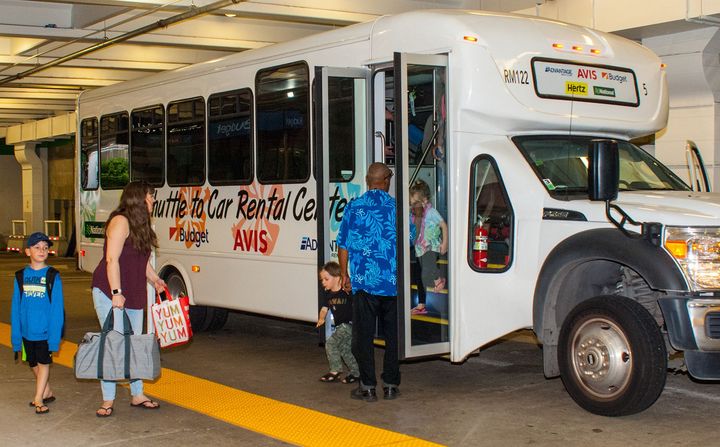
Electric shuttle car rentals refer to transportation solutions that use battery-powered shuttle vehicles for moving passengers over short and medium distances. These vehicles are commonly used in airports, educational campuses, business parks, tourism destinations, healthcare facilities, residential communities, and event venues.
The concept emerged as organizations and transportation planners searched for cleaner and quieter alternatives to conventional fuel-powered shuttle fleets. Electric shuttle vehicles are designed to carry multiple passengers while reducing emissions and improving energy efficiency.
As battery technology has advanced over the past decade, electric shuttle transportation has become more practical for daily operations. Modern vehicles often feature improved driving range, advanced safety systems, digital monitoring tools, and passenger-friendly designs.
Electric shuttle transportation plays a role in broader mobility strategies that aim to reduce congestion, improve accessibility, and support environmental sustainability goals.
Why Electric Shuttle Transportation Matters
Transportation remains one of the largest contributors to greenhouse gas emissions in many countries. Electric shuttle systems help reduce local air pollution and decrease dependence on fossil fuels.
Several groups benefit from electric shuttle transportation:
• Airport operators seeking efficient passenger movement
• Educational institutions managing campus transportation
• Corporate parks improving employee mobility
• Healthcare facilities transporting visitors and patients
• Tourist destinations enhancing visitor experiences
• Residential communities supporting local transportation needs
Electric shuttle vehicles can help address several common transportation challenges:
| Transportation Challenge | Potential Contribution of Electric Shuttles |
|---|---|
| Urban congestion | Supports shared passenger movement |
| Local emissions | Produces zero tailpipe emissions |
| Noise pollution | Operates more quietly than many fuel vehicles |
| Accessibility needs | Often designed for easy passenger entry |
| Energy efficiency | Uses electric power systems |
In many locations, electric shuttle transportation has become part of broader smart mobility and sustainable transportation initiatives.
Recent Updates and Industry Trends
The electric mobility sector has experienced significant developments during 2025 and early 2026.
Battery technology continues to improve, allowing shuttle vehicles to travel longer distances between charging sessions. Manufacturers have also introduced more advanced energy management systems that help optimize power consumption.
Recent transportation reports published throughout 2025 highlighted increased adoption of electric passenger vehicles in airports, university campuses, hospitality locations, and municipal transportation projects.
Key trends observed during the past year include:
• Expansion of charging infrastructure networks
• Greater integration of telematics and fleet monitoring systems
• Increased use of route optimization software
• Growth in autonomous shuttle pilot programs
• Improved battery durability and charging performance
• Enhanced passenger safety technologies
The following chart illustrates common industry priorities observed across electric shuttle transportation projects.
| Industry Priority | Growing Focus During 2025–2026 |
| Sustainability | High |
| Fleet Efficiency | High |
| Digital Monitoring | High |
| Passenger Experience | Medium to High |
| Autonomous Features | Emerging |
| Data Analytics | Increasing |
Transportation authorities and mobility organizations continue to evaluate how electric shuttle systems can contribute to long-term environmental and transportation goals.
Laws, Regulations, and Government Policies
Electric shuttle transportation is influenced by transportation regulations, environmental policies, and vehicle safety standards.
Regulatory requirements vary by country and region, but several common policy areas often apply.
Vehicle Safety Standards
Electric shuttle vehicles must generally comply with safety requirements related to:
• Passenger protection
• Vehicle construction
• Lighting systems
• Braking performance
• Accessibility features
• Operational inspections
Environmental Regulations
Many governments have introduced policies aimed at reducing transportation emissions. These policies may encourage adoption of electric transportation technologies through environmental programs and sustainability initiatives.
Charging Infrastructure Policies
Electric transportation depends on charging infrastructure. Governments and utility organizations often establish technical standards for charging equipment, energy management, and grid integration.
Accessibility Requirements
Public transportation systems and passenger transportation services may be required to meet accessibility standards that support individuals with mobility challenges.
Data and Technology Regulations
Modern electric shuttle fleets often use telematics, GPS tracking, and digital fleet management tools. Data privacy and cybersecurity regulations may affect how transportation operators collect and manage information.
Organizations involved in electric transportation typically monitor transportation authority guidance, environmental regulations, and vehicle certification requirements to maintain compliance.
Helpful Tools and Resources
Various digital tools and informational resources can help individuals and organizations better understand electric shuttle transportation.
Fleet Management Platforms
These systems help monitor:
• Vehicle utilization
• Energy consumption
• Route performance
• Maintenance schedules
• Driver activity
Route Optimization Tools
Route planning software assists with:
• Passenger scheduling
• Travel efficiency
• Traffic analysis
• Stop management
• Journey planning
Charging Infrastructure Calculators
Charging calculators can help estimate:
• Charging duration
• Energy requirements
• Battery utilization
• Infrastructure planning needs
Energy Consumption Monitoring Tools
Energy tracking platforms help evaluate:
• Electricity usage
• Fleet efficiency
• Environmental performance
• Operational trends
Useful Resource Categories
| Resource Type | Purpose |
| Transportation Research Reports | Industry knowledge and trends |
| Fleet Management Software | Operational monitoring |
| Mapping Platforms | Route planning |
| Charging Infrastructure Guides | Charging information |
| Sustainability Frameworks | Environmental assessment |
| Mobility Research Publications | Market insights |
Educational materials from transportation agencies, mobility research organizations, and environmental institutions can also provide valuable information for understanding electric transportation systems.
Frequently Asked Questions
What is an electric shuttle vehicle?
An electric shuttle vehicle is a passenger transportation vehicle powered primarily by rechargeable batteries rather than conventional fuel engines. It is commonly used for short-distance transportation in airports, campuses, communities, and commercial facilities.
How do electric shuttle vehicles reduce environmental impact?
Electric shuttle vehicles produce zero tailpipe emissions during operation. They can contribute to lower local air pollution levels and support transportation sustainability initiatives when powered by cleaner electricity sources.
What factors influence shuttle vehicle range?
Vehicle range can be affected by battery capacity, passenger load, driving conditions, weather, terrain, speed, and energy management systems.
Are electric shuttle vehicles suitable for large facilities?
Many organizations use electric shuttle transportation in large campuses, airports, tourism destinations, healthcare complexes, and business parks because these environments often involve frequent passenger movement across defined routes.
What technologies are commonly used in modern electric shuttle fleets?
Modern fleets may include GPS tracking, telematics systems, battery monitoring platforms, route optimization software, safety sensors, digital dashboards, and predictive maintenance tools.
Conclusion
Electric shuttle car rentals represent an important part of the evolving transportation landscape. As organizations seek cleaner, quieter, and more efficient mobility solutions, electric shuttle vehicles continue to gain attention across airports, educational institutions, healthcare facilities, tourism destinations, and commercial environments.
Advances in battery technology, charging infrastructure, fleet management software, and transportation analytics have contributed to broader adoption and improved operational performance. At the same time, government policies, environmental goals, and transportation regulations continue to shape how these systems are implemented and managed.
Understanding the fundamentals of electric shuttle transportation—including its purpose, benefits, regulatory considerations, industry trends, and available resources—can help readers develop a clearer view of this growing segment of sustainable mobility. As transportation technologies continue to evolve, electric shuttle systems are expected to remain an important component of future mobility strategies and passenger transportation networks.