Table of Contents

Discover Modern Automatic Doors: Complete Guide, Features, Benefits, and Smart Access Insights

Discover Modern Automatic Doors: Complete Guide, Features, Benefits, and Smart Access Insights

Modern automatic doors are entry systems that open and close without manual effort. These systems use technologies such as motion sensors, infrared detection, pressure mats, radar systems, and smart access controls to manage movement through entrances.


Automatic door systems were developed to improve accessibility, reduce physical contact, and support smoother movement in public and private spaces. Over time, they have evolved from simple sliding mechanisms into advanced smart entry solutions connected to building management systems and digital security platforms.

Today, automatic doors are commonly found in:

  • Hospitals and healthcare centers
  • Commercial buildings
  • Airports and transport terminals
  • Educational institutions
  • Hotels and hospitality spaces
  • Smart homes and residential complexes
  • Industrial and warehouse facilities

Many modern systems now combine smart security technology, touchless access control, biometric authentication, and energy-efficient operation. Because of these advancements, automatic doors are increasingly associated with building automation and smart infrastructure.

Common Types of Automatic Doors

Door TypeMain FunctionCommon Usage
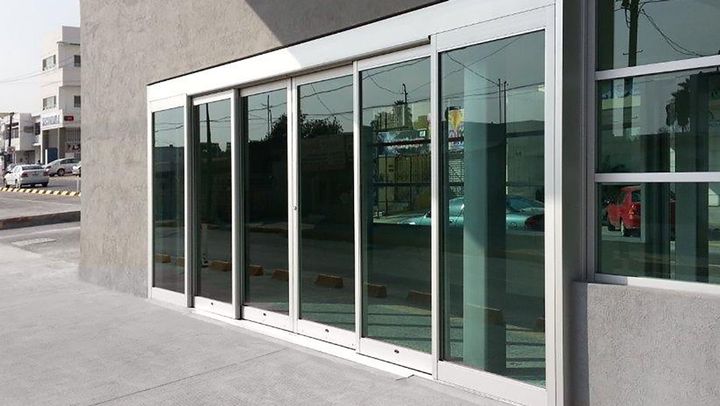
Sliding DoorsSide-opening movementRetail and office entrances
Swing DoorsAutomatic inward/outward movementHealthcare facilities
Revolving DoorsContinuous rotating entryHotels and corporate buildings
Folding DoorsCompact opening systemSmall commercial spaces
Telescopic DoorsMultiple sliding panelsHigh-traffic areas

Key Components Used in Smart Door Systems

Modern automatic door technology usually includes:

  • Motion and presence sensors
  • Access control systems
  • Electric motors and operators
  • Safety detection sensors
  • Smart locking systems
  • Wireless connectivity modules
  • Emergency override controls

These components work together to improve convenience, accessibility, and operational efficiency.

Why Automatic Door Technology Matters Today

Automatic doors play an important role in modern infrastructure because they support safer and more efficient movement in buildings with high visitor traffic.

One major reason for increased adoption is the growing focus on touchless technology. Since global public health concerns increased during the early 2020s, many facilities upgraded to contactless entry systems to reduce physical interaction with door handles and crowded entrances.

Another important factor is accessibility. Automatic doors help people with mobility limitations, wheelchair users, elderly individuals, and parents with strollers move through buildings more easily.

Benefits of Modern Automatic Door Systems

BenefitExplanation
Accessibility SupportEasier movement for all users
Touchless EntryReduces physical contact
Energy EfficiencyHelps maintain indoor temperature
Traffic ManagementSmooth movement in crowded areas
Smart SecurityIntegrates with surveillance and access systems
Hygiene ImprovementSupports cleaner shared environments

Smart Access and Security Features

Many modern buildings now use integrated smart access systems connected to automatic doors. These systems may include:

  • RFID card access
  • Mobile app authentication
  • Facial recognition systems
  • Fingerprint scanning
  • PIN-based digital access
  • Cloud-connected monitoring systems

These technologies are often linked with security cameras, visitor logs, and building automation software. Smart access systems can also help monitor entry patterns and improve security management.

Energy Efficiency and Sustainable Building Design

Automatic doors can contribute to energy-saving strategies in large buildings. Properly configured systems help maintain indoor climate control by minimizing unnecessary opening time.

Some energy-efficient features include:

  • Adjustable opening speed
  • Timed closing functions
  • Air pressure balancing systems
  • Thermal insulation glass panels
  • Smart occupancy detection

Buildings seeking environmental certifications often use energy-efficient entrance systems as part of sustainable infrastructure planning.

Recent Updates and Industry Trends

The automatic door industry has seen several technology and safety developments during the past year.

In 2025, many manufacturers expanded the use of AI-assisted sensor systems that improve pedestrian detection accuracy and reduce accidental door activation. Smart buildings also increased adoption of cloud-connected access management platforms for remote monitoring.

Recent trends include:

  • Growth of biometric access systems in commercial facilities
  • Increased use of touchless wave sensors
  • Integration with smart home ecosystems
  • Advanced cybersecurity protection for connected access systems
  • Improved accessibility standards for public infrastructure

Several smart infrastructure reports published during 2025 also highlighted growing demand for automated entry systems in healthcare and transportation sectors due to rising urbanization and digital building management adoption.

Laws, Regulations, and Safety Policies

Automatic door systems are affected by safety regulations, accessibility standards, and building compliance requirements in many countries. These regulations are designed to improve user safety and ensure reliable operation in public spaces.

Common regulatory areas include:

  • Emergency exit compliance
  • Accessibility standards for disabled individuals
  • Sensor safety requirements
  • Fire safety integration
  • Maintenance inspection standards
  • Electrical safety certifications

Many countries follow international building and accessibility standards influenced by organizations such as:

  • International Organization for Standardization
  • American National Standards Institute
  • International Electrotechnical Commission

In healthcare facilities and transportation hubs, automatic doors often require additional emergency access protocols and safety fail-safe systems.

Accessibility and Public Infrastructure

Governments and urban planners increasingly encourage accessible building design. Automatic doors are commonly included in accessibility planning because they help support equal access for individuals with mobility challenges.

Public infrastructure projects often include:

  • Wheelchair-friendly entry systems
  • Wide automatic sliding entrances
  • Low-energy door operators
  • Voice-assisted entry technologies
  • Emergency evacuation integration

As cities continue adopting smart infrastructure policies, automated entry systems are becoming more common in modern urban planning.

Helpful Tools and Resources

Several digital tools and platforms can help building managers, architects, and facility planners understand automatic door systems more effectively.

Tool or ResourcePurpose
Building automation softwareManage integrated smart systems
Energy efficiency calculatorsEstimate energy performance
CAD design platformsCreate entrance system layouts
Access management appsMonitor user entry permissions
Safety inspection checklistsTrack maintenance compliance
Smart sensor diagnostics toolsMonitor operational performance

Frequently Asked Questions

Are automatic doors safe for public use?

Yes. Modern automatic doors are designed with safety sensors, obstacle detection systems, and emergency stop mechanisms to reduce operational risks. Safety regulations also require regular inspections in many regions.

What is the difference between automatic doors and smart access doors?

Automatic doors focus on automated opening and closing, while smart access systems add authentication technologies such as mobile access, biometric recognition, or digital permissions.

Do automatic doors improve energy efficiency?

In many buildings, automatic doors can help maintain indoor climate control by reducing unnecessary open-door time. Energy-efficient systems may also include insulated materials and programmable operation settings.

Where are automatic doors most commonly used?

They are widely used in healthcare facilities, airports, shopping centers, office buildings, educational campuses, hotels, and smart residential properties.

Can automatic doors work during power interruptions?

Many systems include backup battery support or manual override functionality to maintain accessibility during emergencies or electrical outages.

Conclusion

Modern automatic doors have become an important part of smart building infrastructure, accessibility planning, and touchless technology development. What began as a convenience feature has evolved into a sophisticated system connected with energy management, security monitoring, and digital access control.

As smart cities and intelligent buildings continue to expand, automatic door systems are likely to become more advanced, with stronger integration into AI-based building automation, cybersecurity protection, and accessibility-focused design.

Understanding how these systems function, the regulations that affect them, and the technologies driving innovation can help individuals and organizations make informed decisions about modern entry and access solutions.


author-image

Harshit Sharma

We are a performance-driven media buying team focused on scaling brands through smart, data-backed advertising strategies

May 27, 2026 . 9 min read