Discover Luxury Home Décor: Complete Guide with Basics, Ideas, and Design Inspiration
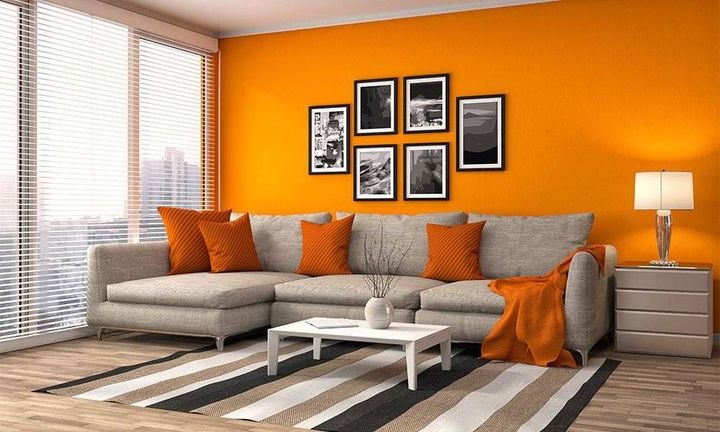
Luxury home décor refers to the thoughtful use of high-quality materials, refined design elements, and cohesive styling to create visually balanced and comfortable living spaces. It is not limited to expensive items; rather, it focuses on craftsmanship, durability, aesthetics, and intentional design.
This concept has evolved over time. Earlier, luxury interiors were often associated with ornate details and classical influences. Today, luxury design blends modern simplicity with timeless elements, combining functionality with elegance. Natural materials, neutral color palettes, and curated décor pieces are commonly used to create a sophisticated environment.
Luxury home décor exists to enhance both visual appeal and everyday living. It emphasizes harmony, space utilization, and personalized aesthetics. Whether in compact homes or large residences, the goal is to create a refined atmosphere that reflects individual taste while maintaining design consistency.
Common elements found in luxury décor include:
- Premium materials like marble, hardwood, glass, and metal accents
- Layered lighting systems for ambiance and functionality
- Minimal yet impactful furniture arrangements
- Art pieces, sculptures, or statement décor
- Textures such as velvet, linen, and silk for depth
Why Luxury Home Décor Matters Today
Luxury home décor has gained relevance due to changing lifestyles and increased awareness of interior design. People are spending more time at home, making the quality and comfort of living spaces more important than ever.
A well-designed interior can influence mood, productivity, and relaxation. Clean layouts, natural lighting, and organized spaces contribute to mental clarity and well-being. Luxury décor often prioritizes these aspects, making it practical as well as visually appealing.
This topic affects a wide audience, including:
- Homeowners planning interior upgrades
- Renters seeking aesthetic improvements
- Designers and architects focusing on modern interiors
- Individuals interested in lifestyle and design trends
Luxury décor also addresses common challenges such as:
- Inefficient space utilization
- Lack of cohesive design themes
- Poor lighting and material choices
- Overcrowded or cluttered interiors
By applying design principles, individuals can transform spaces into functional and elegant environments without unnecessary complexity.
Recent Updates and Trends in Luxury Home Décor
Over the past year (2025–2026), several trends have shaped the direction of luxury interior design. These trends emphasize sustainability, personalization, and technology integration.
One major trend is the use of sustainable and eco-conscious materials. Designers are increasingly incorporating recycled wood, natural fibers, and low-impact finishes. This approach aligns with environmental awareness while maintaining a premium look.
Another development is the rise of smart home integration. Lighting systems, temperature controls, and automated curtains are being seamlessly incorporated into décor without disrupting aesthetics. These features improve convenience while maintaining a clean design.
Color palettes have also shifted. Neutral tones such as beige, ivory, and soft greys remain dominant, but they are now paired with bold accents like deep green, navy blue, or metallic finishes. This creates contrast without overwhelming the space.
Minimalism continues to influence luxury interiors, but with a warmer approach. Instead of stark, empty spaces, designers are adding soft textures and layered elements to create comfort.
The table below highlights key trends observed in recent updates:
| Trend Category | Description | Impact on Design |
|---|---|---|
| Sustainable Materials | Use of natural and recycled resources | Eco-friendly aesthetics |
| Smart Integration | Automated lighting and climate systems | Improved functionality |
| Neutral Palettes | Soft tones with bold accents | Balanced visual appeal |
| Textured Layers | Fabrics and materials for depth | Enhanced comfort |
| Statement Lighting | Artistic lighting fixtures | Focal design elements |
These trends indicate a shift toward practical luxury, where aesthetics and usability go hand in hand.
Laws and Policies Influencing Home Décor
Luxury home décor is indirectly influenced by building regulations, safety standards, and environmental policies. These rules ensure that materials and design practices meet certain quality and safety benchmarks.
Building codes often regulate aspects such as:
- Electrical systems and lighting installations
- Fire safety requirements for materials and furnishings
- Structural modifications within residential spaces
Environmental policies are also becoming more relevant. Many regions encourage the use of sustainable materials and energy-efficient systems. Certifications related to green buildings and eco-friendly interiors are increasingly recognized.
In addition, consumer protection guidelines ensure transparency in material quality and labeling. This helps individuals make informed decisions about durability and safety.
While these regulations vary by region, the overall aim is to promote safe, efficient, and environmentally responsible interior design practices.
Tools and Resources for Luxury Home Décor
Several digital tools and platforms can help individuals explore, plan, and visualize luxury home décor. These resources support design decisions and improve accuracy in planning.
Popular tools include:
- Design visualization software for creating 3D room layouts
- Color palette generators for selecting coordinated shades
- Lighting planners to optimize placement and intensity
- Material comparison tools for durability and texture analysis
Widely used platforms include:
- Pinterest for inspiration and curated design ideas
- SketchUp for creating detailed interior layouts
- AutoCAD for precise architectural planning
- Houzz for exploring design concepts and trends
Below is a simple comparison of tool functionality:
| Tool Type | Purpose | Suitable For |
|---|---|---|
| 3D Design Software | Room visualization | Designers and beginners |
| Inspiration Platforms | Idea collection and trends | General users |
| Planning Tools | Layout and measurements | Home planners |
| Lighting Calculators | Illumination balance | Interior designers |
Using these resources can improve design accuracy and reduce uncertainty when planning interiors.
Frequently Asked Questions
What defines luxury home décor?
Luxury home décor is defined by quality materials, thoughtful design, and cohesive styling. It focuses on comfort, durability, and visual harmony rather than just high-value items.
Is luxury décor only suitable for large spaces?
No, luxury design can be applied to any space. Even small rooms can achieve a refined look through proper layout, lighting, and material selection.
How important is lighting in luxury interiors?
Lighting plays a key role. Layered lighting, including ambient, task, and accent lighting, enhances both functionality and aesthetics.
Are sustainable materials part of luxury décor?
Yes, sustainable materials are increasingly used in modern luxury interiors. They provide environmental benefits while maintaining high design standards.
Can technology be integrated into luxury design?
Smart technology is commonly integrated into luxury interiors. Automated systems improve convenience without affecting the overall design.
Conclusion
Luxury home décor is a balanced approach to designing interiors that combine elegance, comfort, and functionality. It is not limited to visual appeal but extends to usability, sustainability, and thoughtful planning.
Modern trends highlight the importance of simplicity, natural materials, and smart integration. At the same time, regulations and policies ensure safety and environmental responsibility.
With the help of digital tools and design resources, individuals can explore and implement ideas effectively. By focusing on quality, layout, and cohesive styling, any space can reflect a refined and well-designed environment.
This guide provides a foundational understanding of luxury home décor, helping readers make informed decisions while exploring design inspiration in a practical and structured way.