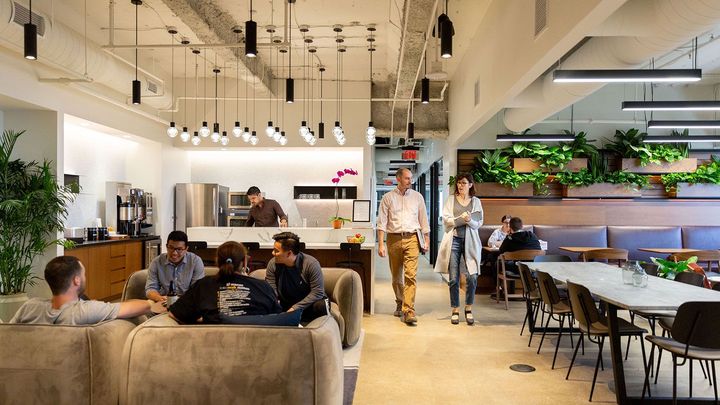
This concept emerged as remote work and freelancing increased globally. Professionals needed a structured environment outside their homes while avoiding the rigidity of corporate offices. Coworking spaces filled this gap by offering a productive atmosphere combined with networking potential.
Today, coworking environments are used by freelancers, entrepreneurs, startups, and even remote employees of large organizations. These spaces often include desks, meeting rooms, high-speed internet, and community-driven events, creating a balanced mix of independence and collaboration.
Why Coworking Matters in Modern Work Culture
Coworking has become important due to the shift toward flexible work models and digital transformation. It addresses several challenges faced by remote workers and small teams.
One key advantage is improved productivity. Working from home can lead to distractions, while coworking environments are structured to encourage focus. Dedicated work zones, quiet areas, and professional settings help maintain discipline.
Coworking also supports networking and collaboration. Being surrounded by professionals from diverse fields increases the chances of idea exchange, partnerships, and knowledge sharing. This is especially beneficial for startups and independent professionals.
Another important factor is work-life balance. Coworking creates a physical boundary between personal and professional life, which is often missing in remote work setups.
Common problems coworking helps solve include:
-
Isolation and lack of social interaction
-
Limited access to professional infrastructure
-
Difficulty maintaining consistent work routines
-
Lack of collaborative opportunities
Recent Trends and Developments in Coworking
The coworking industry has evolved significantly over the past year, adapting to changing work patterns and technological advancements.
In 2025, hybrid work models became more structured. Many organizations began using coworking spaces as satellite offices, allowing employees to work closer to home while maintaining access to professional environments.
Technology integration has also improved. Smart office systems, including app-based desk booking and occupancy tracking, became more common in early 2025. These systems help optimize space usage and improve user experience.
Another trend is niche coworking spaces. Instead of general-purpose environments, specialized spaces are being designed for specific industries such as tech, design, or content creation. These spaces often include tailored tools and resources.
Sustainability has gained attention as well. Many coworking operators introduced eco-friendly practices, such as energy-efficient lighting and reduced paper usage, during late 2024 and early 2025.
The rise of “quiet coworking” zones is another notable trend. These areas focus on deep work, minimizing noise and distractions, which supports professionals working on complex tasks.
Regulations and Policies Affecting Coworking
Coworking spaces are influenced by workplace safety regulations, commercial property laws, and data protection policies. While rules vary by region, several general frameworks apply globally.
Health and safety standards are a primary requirement. Coworking operators must ensure proper ventilation, fire safety measures, and ergonomic workspace design. These standards became more stringent after global health concerns in recent years.
Data protection regulations also play a role. Since multiple organizations share the same network environment, coworking spaces must implement secure internet connections and privacy safeguards to protect sensitive information.
Zoning and commercial property laws determine where coworking spaces can operate. Local governments often regulate the use of commercial buildings, occupancy limits, and licensing requirements.
Additionally, labor and remote work policies introduced in many countries between 2024 and 2025 encourage flexible work arrangements. These policies indirectly support coworking adoption by legitimizing remote and hybrid work setups.
Tools and Resources for Coworking Productivity
Using the right tools can significantly enhance productivity in a coworking environment. These tools help manage tasks, improve collaboration, and reduce distractions.
Productivity and Task Management Tools
-
Trello – Visual task tracking and workflow management
-
Asana – Project planning and team coordination
-
Notion – All-in-one workspace for notes, tasks, and databases
Communication and Collaboration Tools
-
Slack – Real-time team communication
-
Microsoft Teams – Meetings, messaging, and file sharing
-
Zoom – Video conferencing and virtual collaboration
Focus and Time Management Tools
-
RescueTime – Tracks time usage and productivity patterns
-
Forest – Encourages focus by reducing phone distractions
-
Pomodoro timers – Break work into focused intervals
Workspace Optimization Resources
-
Noise-canceling apps for distraction reduction
-
Ergonomic checklists for desk setup
-
Digital calendars for scheduling and time blocking
Below is a simple productivity comparison table:
| Tool Type | Purpose | Key Benefit |
|---|
| Task Management | Organize work | Clear priorities |
| Communication | Team interaction | Faster collaboration |
| Time Tracking | Monitor productivity | Better time allocation |
| Focus Tools | Reduce distractions | Improved concentration |
Practical Tips and Smart Strategies for Coworking
To make the most of a coworking environment, adopting structured strategies is essential.
Choose the Right Workspace Zone
Different areas serve different purposes. Quiet zones are ideal for deep work, while open areas are better for collaboration. Selecting the appropriate space can improve efficiency.
Set Clear Daily Goals
Start each day with a defined list of tasks. This helps maintain focus and prevents unnecessary distractions.
Use Time Blocking Techniques
Divide your day into dedicated time slots for specific tasks. This method improves productivity and ensures balanced work distribution.
Limit Digital Distractions
Use focus tools or app blockers to minimize interruptions from social media or notifications.
Maintain Professional Boundaries
Even in a casual coworking environment, maintaining professionalism helps improve work quality and interactions.
Engage in Networking Thoughtfully
While networking is valuable, excessive socializing can reduce productivity. Balance interaction with focused work.
Here is a simple productivity flow representation:
Frequently Asked Questions
What is the main benefit of coworking spaces?
Coworking spaces provide a structured environment that improves productivity while offering opportunities for collaboration and networking.
Are coworking spaces suitable for remote workers?
Yes, they are ideal for remote workers who need a professional workspace and want to avoid home distractions.
How can productivity be improved in a coworking space?
Productivity can be improved by setting clear goals, using time management techniques, and choosing the right workspace zone.
Do coworking spaces support collaboration?
Yes, they are designed to encourage interaction among professionals from different industries, which can lead to idea sharing and partnerships.
What tools are useful for coworking productivity?
Tools like task managers, communication platforms, and focus apps help streamline workflows and improve efficiency.
Conclusion
Coworking has become a key part of modern work culture, offering flexibility, structure, and collaboration in a single environment. As work models continue to evolve, coworking spaces provide a practical solution for individuals and organizations seeking balance between independence and community.
By understanding how coworking works, staying updated with recent trends, and using the right tools and strategies, professionals can significantly improve their productivity and work experience.
The future of coworking is closely tied to hybrid work, digital tools, and evolving workplace policies. Adapting to these changes and applying smart strategies can help individuals make the most of shared workspaces while maintaining efficiency and focus.