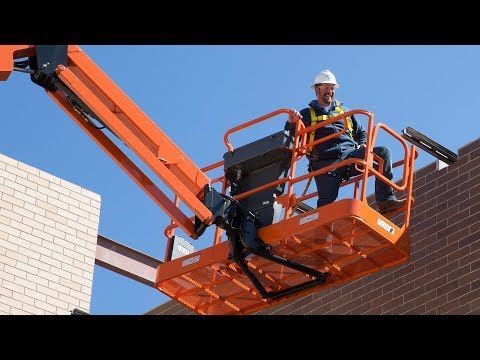
Discover Construction Lift Machines: Information, Explanation, Details, Insights, Tips, Help, Knowledge, and Facts
Construction lift machines are specialized lifting systems designed to move workers, tools, and construction materials vertically on building sites. As structures become taller and projects become more complex, transporting equipment manually becomes inefficient and potentially unsafe. Construction lift machines help address these challenges by providing a controlled method of vertical transportation.
These machines are commonly used in residential, commercial, industrial, and infrastructure projects. Depending on project requirements, construction sites may utilize material hoists, passenger hoists, rack-and-pinion lifts, or temporary elevators.
The primary purpose of a construction lift machine is to improve site productivity while supporting safer movement of personnel and materials between different levels of a structure.
Common Types of Construction Lift Machines
| Lift Type | Primary Use | Typical Application |
|---|---|---|
| Material Hoist | Material transport | Warehouses and construction projects |
| Passenger Hoist | Worker transportation | High-rise construction |
| Rack-and-Pinion Lift | Personnel and materials | Multi-story structures |
| Temporary Construction Elevator | Site access | Large-scale projects |
| Platform Lift | Equipment lifting | Industrial facilities |
Why Construction Lift Machines Matter
Construction lift machines play an important role in modern construction practices. Urban development and infrastructure expansion have increased the demand for efficient vertical transportation systems on work sites.
Key benefits include:
- Improved movement of building materials
- Reduced manual handling requirements
- Enhanced site organization
- Better access to elevated work areas
- Support for construction safety procedures
- Increased operational efficiency
The impact of lift machines extends beyond construction companies. Engineers, project managers, safety professionals, contractors, architects, and facility owners all benefit from improved material handling systems.
Problems These Machines Help Solve
Without mechanical lifting systems, construction projects may face several challenges:
- Delays caused by manual transportation
- Increased physical strain on workers
- Higher risk of material damage
- Reduced productivity on large projects
- Difficulty accessing upper floors
- Inefficient resource allocation
By providing consistent lifting capability, construction lift machines help minimize these operational obstacles.
Industry Applications
Construction lift machines are frequently used in:
- High-rise residential developments
- Commercial office towers
- Industrial manufacturing facilities
- Bridge construction projects
- Infrastructure modernization programs
- Warehouse expansion projects
- Renovation and restoration work
Recent Updates and Industry Trends
The construction equipment sector has experienced several notable developments during 2025 and 2026.
Increased Smart Monitoring Adoption
Throughout 2025, many manufacturers expanded the use of digital monitoring systems within construction lifts. These systems can provide information about load status, maintenance schedules, equipment utilization, and operational performance.
Growth of Predictive Maintenance
Predictive maintenance technologies gained attention during 2025 as construction firms increasingly adopted sensors and data analytics. These tools help identify potential equipment issues before significant downtime occurs.
Enhanced Safety Features
Recent equipment releases have included improvements such as:
- Advanced overload detection
- Automatic braking systems
- Real-time diagnostics
- Emergency communication systems
- Enhanced operator alerts
Focus on Energy Efficiency
Manufacturers introduced more energy-efficient drive systems during 2025 and early 2026. Energy management features are becoming increasingly important as organizations focus on sustainability objectives.
Construction Lift Technology Trends
| Trend | Industry Impact |
| Smart Sensors | Improved monitoring |
| Predictive Maintenance | Reduced downtime |
| Digital Diagnostics | Faster inspections |
| Energy-Efficient Drives | Lower energy consumption |
| Remote Monitoring | Better equipment oversight |
Safety and Regulatory Considerations
Construction lift machines operate within regulatory frameworks designed to protect workers and ensure equipment reliability.
Requirements may vary depending on the jurisdiction, project type, and lift classification. Common regulatory areas include:
- Equipment inspections
- Operator training
- Load capacity compliance
- Maintenance documentation
- Safety certifications
- Emergency procedures
Equipment Inspection Requirements
Construction lifts generally require routine inspections to verify:
- Structural integrity
- Brake functionality
- Control system performance
- Cable or rack condition
- Emergency stop mechanisms
- Safety interlocks
Regular inspections help identify wear, damage, or operational issues before they affect site activities.
Worker Safety Programs
Many jurisdictions require construction organizations to implement safety programs addressing:
- Hazard awareness
- Equipment operation procedures
- Emergency response planning
- Personal protective equipment usage
- Site-specific safety protocols
Proper training remains one of the most important elements of construction lift safety.
Compliance Documentation
Project managers often maintain records related to:
- Inspection reports
- Maintenance logs
- Equipment certifications
- Operator qualifications
- Safety audits
- Incident investigations
Accurate documentation supports regulatory compliance and operational transparency.
Helpful Tools and Resources
Several tools and digital resources can assist professionals involved with construction lift operations.
Load Calculation Tools
Load calculators help estimate lifting requirements and verify that equipment operates within approved limits.
Useful calculations often include:
- Material weight estimates
- Load distribution analysis
- Capacity verification
- Productivity assessments
Maintenance Management Software
Digital maintenance platforms assist organizations with:
- Inspection scheduling
- Equipment records
- Maintenance tracking
- Service history management
- Compliance reporting
Examples include computerized maintenance management systems (CMMS).
Building Information Modeling (BIM)
BIM platforms can help project teams plan equipment placement, site logistics, and vertical transportation strategies before construction begins.
Project Planning Resources
Common resources include:
- Lift planning templates
- Safety checklists
- Equipment inspection forms
- Maintenance schedules
- Risk assessment documents
Useful Construction Lift Planning Checklist
| Item | Purpose |
| Capacity Review | Verify lifting requirements |
| Site Assessment | Evaluate installation area |
| Safety Inspection | Confirm compliance readiness |
| Maintenance Plan | Support equipment reliability |
| Emergency Procedures | Improve preparedness |
| Operator Training Review | Enhance safe operation |
Construction Lift Usage Growth Illustration
The following chart provides a simplified illustration of industry adoption trends.
Construction Lift Technology Adoption

2022  ███████
2023  █████████
2024  ███████████
2025  █████████████
2026  ███████████████

Increasing Industry Adoption
Frequently Asked Questions
What is a construction lift machine?
A construction lift machine is a temporary or semi-permanent lifting system used to transport workers, equipment, and materials vertically on construction sites.
How is a construction lift different from a crane?
A crane typically lifts loads using a boom and cable system, while a construction lift moves personnel or materials along a fixed vertical path attached to a structure.
Why are regular inspections important?
Regular inspections help identify mechanical issues, verify safety features, support compliance requirements, and reduce the likelihood of operational disruptions.
What factors influence lift selection?
Important considerations include building height, load requirements, site conditions, project duration, safety requirements, and transportation needs.
What are common safety features found in modern construction lifts?
Modern systems often include overload protection, emergency stop controls, automatic braking systems, safety interlocks, communication devices, and monitoring technology.
Can digital technologies improve lift operations?
Yes. Digital monitoring, predictive maintenance, equipment analytics, and remote diagnostics can support better maintenance planning and operational visibility.
Key Insights and Facts
- Construction lift machines are essential for vertical transportation on modern project sites.
- High-rise construction has increased demand for efficient lifting solutions.
- Smart monitoring technology is becoming more common across the industry.
- Predictive maintenance can improve equipment reliability.
- Safety inspections remain a critical component of lift operation.
- Regulatory compliance helps support worker protection and operational standards.
- Digital tools and planning resources contribute to improved project management.
Conclusion
Construction lift machines have become a fundamental part of modern construction and infrastructure development. They help move workers and materials efficiently while supporting safety and productivity objectives. Recent developments in digital monitoring, predictive maintenance, and energy-efficient technologies are shaping the future of construction lifting equipment. Understanding how these systems operate, the regulations that affect them, and the resources available for planning and maintenance can help stakeholders make informed decisions throughout the lifecycle of a construction project.