Discover Cable Manufacturing Machines: Overview, Explanation, Facts, Details, and Helpful Resources
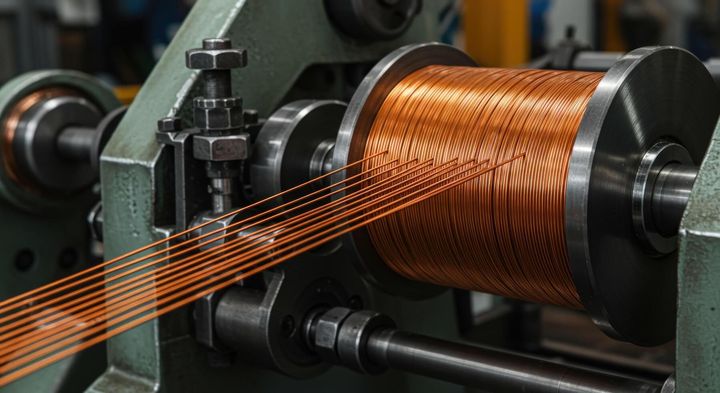
Cable manufacturing machines are specialized industrial systems used to produce electrical, communication, and fiber-optic cables. These machines help transform raw materials such as copper, aluminum, insulation compounds, and protective coatings into finished cables used across multiple sectors.
The need for cable manufacturing equipment emerged as electrical networks, telecommunications systems, transportation infrastructure, and industrial automation expanded worldwide. As demand for reliable power transmission and data connectivity increased, manufacturers required advanced machinery capable of producing cables with consistent quality and performance.
A typical cable production facility may use several types of machines, including wire drawing machines, stranding machines, extrusion lines, cabling machines, armoring equipment, and testing systems. Each machine performs a specific function in the production process.
The cable manufacturing sector continues to evolve as industries adopt smart grids, renewable energy systems, electric vehicles, and high-speed communication networks. These developments create new requirements for precision engineering and manufacturing efficiency.
Why Cable Manufacturing Machines Matter
Cable manufacturing machines play an important role in supporting modern infrastructure. Nearly every industry depends on cables for power distribution, communication, automation, and data transmission.
Key sectors that rely on cable production include:
- Energy and utilities
- Telecommunications networks
- Construction and infrastructure
- Transportation systems
- Manufacturing facilities
- Renewable energy projects
- Data centers
- Electric vehicle ecosystems
The importance of these machines can be understood through the challenges they help address:
| Industry Need | How Manufacturing Machines Help |
|---|---|
| Reliable electricity transmission | Produce standardized power cables |
| High-speed internet connectivity | Support fiber-optic cable production |
| Industrial automation | Enable control and instrumentation cable manufacturing |
| Renewable energy integration | Facilitate production of solar and wind power cables |
| Safety requirements | Maintain quality and testing standards |
Modern cable production equipment also improves:
- Manufacturing consistency
- Material utilization
- Product quality verification
- Production efficiency
- Process monitoring
- Technical compliance
As global infrastructure projects continue expanding, the demand for advanced cable production technologies remains significant.
Recent Updates and Industry Trends
The cable manufacturing industry experienced several notable developments during 2025 and early 2026.
Automation and Smart Manufacturing
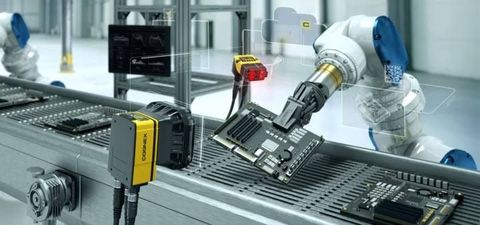
Manufacturers increasingly adopted Industry 4.0 technologies. Production lines now use sensors, real-time monitoring systems, and predictive maintenance tools to improve operational efficiency.
Digital manufacturing platforms allow operators to monitor machine performance, production speed, material consumption, and quality metrics from centralized dashboards.
Growth of Electric Vehicle Infrastructure
The expansion of electric vehicle charging networks has increased demand for specialized power cables. Manufacturers have focused on machinery capable of producing high-performance charging and battery cables with enhanced durability.
Renewable Energy Expansion
Many countries continued investing in solar and wind energy projects throughout 2025. This trend increased demand for medium-voltage and high-voltage cables used in renewable energy installations.
Fiber-Optic Network Development
Telecommunications providers expanded broadband infrastructure projects, encouraging investment in fiber-optic cable production equipment. New machinery emphasizes precision manufacturing and advanced testing capabilities.
Sustainability Initiatives
Environmental concerns have encouraged manufacturers to improve material efficiency and reduce production waste. Modern cable machines increasingly support recyclable materials and energy-efficient operations.
Cable Manufacturing Technology Trends
| Trend | Industry Impact |
| Automation | Improved production consistency |
| AI-assisted monitoring | Enhanced quality control |
| Smart sensors | Real-time machine diagnostics |
| Sustainable materials | Reduced environmental impact |
| Digital twins | Better production planning |
| Advanced testing systems | Improved reliability verification |
Laws, Regulations, and Policy Considerations
Cable manufacturing machines operate within regulatory frameworks that focus on safety, quality, environmental responsibility, and product performance.
Regulations vary by country and region, but several common standards influence machine design and cable production processes.
Electrical Safety Standards
Manufacturers must often comply with recognized electrical and safety standards that govern cable construction, insulation properties, and performance requirements.
Examples include standards developed by:
- International Electrotechnical Commission
- International Organization for Standardization
- National regulatory authorities
Environmental Regulations
Many governments have implemented policies encouraging:
- Waste reduction
- Emissions control
- Energy efficiency
- Responsible material handling
- Recycling initiatives
These policies can influence machinery design and manufacturing processes.
Workplace Safety Requirements
Industrial production facilities are typically required to follow occupational safety regulations addressing:
- Machine guarding
- Emergency shutdown systems
- Worker protection measures
- Training requirements
- Maintenance procedures
Infrastructure Development Programs
Public investments in broadband expansion, renewable energy, transportation systems, and electrical grid modernization often indirectly support demand for cable manufacturing technologies.
As governments continue investing in infrastructure modernization, manufacturers may adapt production capabilities to meet changing technical requirements.
Helpful Tools and Resources
Professionals, researchers, and students interested in cable manufacturing can benefit from a variety of digital resources and technical tools.
Engineering and Design Software
- Computer-aided design (CAD) platforms
- Industrial simulation software
- Process optimization tools
- Manufacturing planning systems
Quality and Testing Resources
- Cable testing databases
- Material specification references
- Compliance documentation systems
- Performance verification platforms
Educational Resources
- Technical journals
- Engineering publications
- Industry association reports
- Manufacturing technology webinars
Productivity and Monitoring Tools
- Production monitoring dashboards
- Industrial automation software
- Maintenance scheduling applications
- Quality management systems
Common Cable Manufacturing Equipment
| Machine Type | Primary Function |
| Wire Drawing Machine | Reduces wire diameter |
| Stranding Machine | Combines multiple conductors |
| Extrusion Line | Applies insulation materials |
| Cabling Machine | Forms cable structures |
| Armoring Machine | Adds protective layers |
| Testing Equipment | Verifies performance standards |
| Rewinding Machine | Prepares finished products |
| Printing System | Marks identification details |
Frequently Asked Questions
What is the main purpose of a cable manufacturing machine?
Cable manufacturing machines help convert raw conductive and insulating materials into finished cables used for electricity transmission, telecommunications, industrial control systems, and data networks.
What materials are commonly processed by these machines?
Common materials include copper, aluminum, polyethylene, PVC compounds, rubber materials, fiber-optic glass fibers, and protective sheathing materials.
How does automation affect cable production?
Automation can improve consistency, monitoring capabilities, quality control, and production efficiency. Many modern facilities use digital systems to supervise manufacturing processes.
Why are testing machines important in cable manufacturing?
Testing equipment helps verify that cables meet technical specifications related to electrical performance, durability, insulation quality, and safety requirements.
How are renewable energy projects influencing cable manufacturing?
Solar farms, wind energy facilities, and grid modernization projects require specialized cables. This demand encourages manufacturers to develop advanced production technologies and equipment.
What skills are useful for understanding cable manufacturing systems?
Knowledge of electrical engineering, industrial automation, manufacturing processes, quality control, materials science, and production management can be helpful for understanding cable manufacturing technologies.
Conclusion
Cable manufacturing machines form an essential part of modern industrial infrastructure. These systems support the production of cables used in power distribution, telecommunications, transportation, renewable energy, and digital connectivity.
Recent developments in automation, smart manufacturing, sustainability initiatives, and fiber-optic expansion continue shaping the industry. Regulatory standards and infrastructure programs also influence how manufacturers design and operate production equipment.
Understanding the functions, technologies, and trends associated with cable manufacturing machines provides valuable insight into one of the foundational sectors supporting modern economies. As demand for reliable energy transmission and digital communication continues to grow, cable manufacturing technologies are likely to remain an important component of industrial development and infrastructure advancement worldwide.