Complete Smart Home Devices Systems Overview: Learn Basics, Insights, and Expert Advice
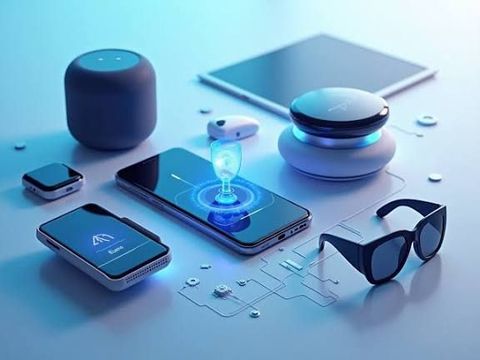
Smart home device systems refer to interconnected technologies that automate and control household functions such as lighting, security, temperature, and entertainment. These systems use internet connectivity, sensors, and software platforms to enable remote management and intelligent automation.
The concept of smart homes has developed alongside advancements in the Internet of Things (IoT). IoT allows everyday devices to communicate with each other, creating a connected environment where systems can operate efficiently and respond to user preferences.
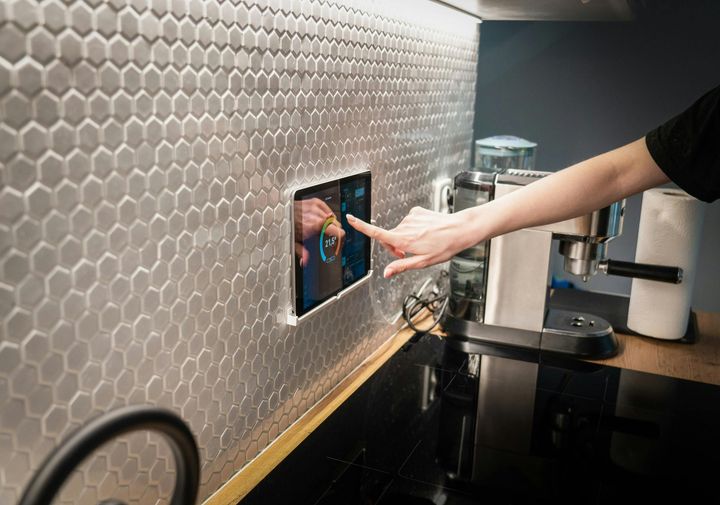
Smart home systems exist to simplify daily routines and improve convenience. For example, lights can turn on automatically, thermostats can adjust based on usage patterns, and security systems can provide real-time alerts. These capabilities are linked to areas such as home automation solutions, IoT smart devices insights, and connected home technology platforms.
The goal is to create a seamless living environment where technology enhances comfort, efficiency, and safety.
Importance – Why Smart Home Systems Matter Today
Smart home systems have become increasingly important as households adopt digital technologies to manage everyday tasks. They offer practical benefits that improve quality of life and energy efficiency.
One major advantage is automation. Devices can perform tasks without manual input, such as adjusting lighting or regulating temperature. This supports energy management system insights and helps reduce unnecessary energy usage.
Another key benefit is enhanced security. Smart cameras, sensors, and alarms provide real-time monitoring and notifications, improving home safety.
Smart home systems are relevant for:
- Households exploring home automation technology solutions
- Individuals focusing on smart security system insights
- Users interested in energy efficiency optimization tools
- Families seeking convenience in daily routines
They help solve common challenges such as:
- Managing multiple household devices manually
- Monitoring home security remotely
- Reducing energy consumption
- Improving accessibility for elderly or differently-abled individuals
The table below compares traditional homes and smart homes:
| Feature | Traditional Home | Smart Home System |
|---|---|---|
| Device Control | Manual | Automated and remote-controlled |
| Energy Usage | Fixed patterns | Optimized through automation |
| Security Monitoring | Basic | Real-time alerts and tracking |
| Connectivity | Limited | Integrated and connected |
| Customization | Minimal | Highly customizable |
This comparison highlights how smart systems enhance efficiency and convenience.
Recent Updates – Trends and Developments (2025–2026)
Smart home technology has evolved rapidly over the past year, driven by advancements in AI, IoT, and connectivity standards.
One major trend is the adoption of AI-powered automation. Since 2025, systems have become more capable of learning user behavior and adjusting settings automatically. This supports AI home automation insights and improves personalization.
Another important development is the expansion of interoperability standards such as Matter. This standard allows devices from different manufacturers to work together seamlessly, addressing compatibility issues.
Voice control has also improved, with more natural language processing capabilities. Devices can now understand complex commands and respond more accurately.
The table below summarizes recent trends:
| Trend (2025–2026) | Description |
|---|---|
| AI-driven automation | Systems learn and adapt to user behavior |
| Matter standard adoption | Improved compatibility across devices |
| Enhanced voice control | Better understanding of natural language |
| Energy monitoring systems | Real-time tracking of power usage |
| Smart security integration | Advanced surveillance and alert systems |
These trends show how smart home systems are becoming more intelligent and user-friendly.
Laws or Policies – Regulations and Guidelines in India
Smart home systems are influenced by regulations related to data protection, cybersecurity, and electronic device standards.
In India, the Digital Personal Data Protection Act (DPDP Act) governs how personal data is collected and processed. Smart home devices often collect user data, making compliance with these regulations essential.
Other regulatory considerations include:
- Cybersecurity guidelines for connected devices
- Standards for electronic safety and quality
- Data privacy requirements for user information
- Compliance with wireless communication regulations
These policies ensure that smart home systems operate securely and protect user data from unauthorized access.
Tools and Resources – Platforms and Utilities for Smart Homes
Various tools and resources help users manage and optimize smart home systems. These include mobile apps, automation platforms, and monitoring tools.
Commonly used platforms include:
- Google Home for device management and automation
- Amazon Alexa for voice-controlled smart devices
- Apple HomeKit for integrated device control
- Samsung SmartThings for connecting multiple devices
Additional resources include:
- Energy monitoring tools for tracking consumption
- Home automation setup guides for beginners
- IoT learning platforms for understanding device integration
- Community forums for troubleshooting and knowledge sharing
The table below categorizes useful resources:
| Resource Type | Purpose |
|---|---|
| Control apps | Manage and automate devices |
| Voice assistants | Enable hands-free operation |
| Automation platforms | Integrate multiple devices |
| Monitoring tools | Track energy and system performance |
| Educational resources | Explain smart home technologies |
These tools help users create efficient and connected home environments.
FAQs – Common Questions About Smart Home Systems
What is a smart home system?
A smart home system is a network of connected devices that automate and control household functions through internet connectivity.
How do smart home devices communicate?
They use wireless technologies such as Wi-Fi, Bluetooth, or Zigbee to connect and exchange data.
Are smart home systems secure?
Security depends on proper setup, including strong passwords, regular updates, and secure networks.
What are the main components of a smart home?
Common components include sensors, controllers, smart devices, and mobile apps for management.
Can smart home systems reduce energy usage?
Yes, automation and monitoring features help optimize energy consumption and improve efficiency.
Conclusion
Smart home device systems represent a significant advancement in how households operate. By integrating connected technologies, these systems provide automation, convenience, and improved efficiency.
The importance of smart homes continues to grow as people seek better ways to manage energy, enhance security, and simplify daily routines. Recent trends such as AI-driven automation and improved device compatibility highlight the rapid evolution of this field.
Regulatory frameworks in India ensure data protection and device safety, supporting responsible use of smart technologies. At the same time, various tools and resources make it easier for individuals to understand and implement smart home systems.
By learning about the basics, trends, and available platforms, users can gain valuable insights into how smart home technology enhances modern living environments.