Complete Guide to Ceramic Coatings: Discover Basics, Details, Information, Advice, and Expert Tips
Ceramic coatings have become an important part of modern surface protection technology. They are liquid polymer-based coatings designed to create a protective layer over a surface. Once applied and cured, the coating forms a durable bond that helps shield the surface from environmental contaminants, moisture, dirt, and ultraviolet (UV) exposure.
The concept behind ceramic coatings emerged from the need for longer-lasting protection compared to traditional waxes and sealants. As surfaces are continuously exposed to weather, pollutants, and daily wear, maintaining their appearance becomes increasingly difficult. Ceramic coatings were developed to provide a stronger and more durable protective barrier.
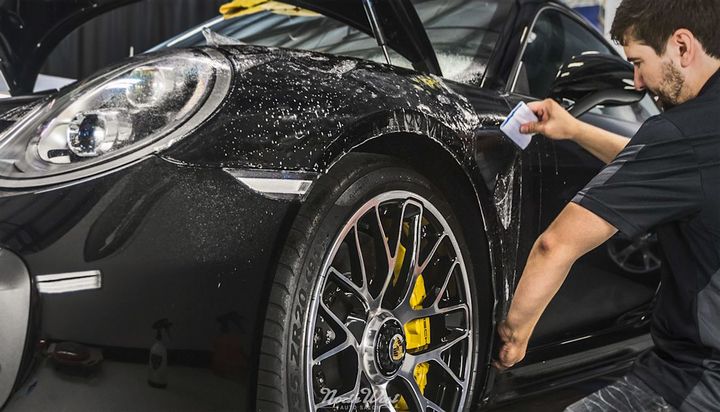
Although ceramic coatings are most commonly associated with automobiles, they are also used on motorcycles, marine vessels, industrial equipment, building materials, and consumer products. Their popularity has increased due to advancements in nano ceramic technology and improved application methods.
The primary objective of ceramic coatings is not to make a surface indestructible but to improve resistance against common environmental factors while simplifying maintenance routines.
Why Ceramic Coatings Matter Today
Modern environments expose surfaces to numerous challenges, including UV radiation, airborne pollutants, acid rain, road debris, bird droppings, and dust accumulation. These factors can gradually affect appearance and surface quality over time.
Ceramic coatings help address several common concerns:
• Enhanced resistance to environmental contaminants
• Reduced accumulation of dirt and debris
• Improved water-repelling properties
• Better protection against UV-related fading
• Easier routine cleaning and maintenance
• Improved surface gloss and appearance retention
The technology is particularly relevant for individuals and organizations that wish to maintain valuable assets exposed to outdoor conditions. Vehicle owners, fleet operators, marine equipment users, construction professionals, and industrial facilities often consider protective coating solutions as part of long-term maintenance planning.
The growing interest in sustainable maintenance practices has also contributed to increased attention toward ceramic coating technologies. Since protected surfaces may require fewer cleaning chemicals and less frequent intensive maintenance, some users view ceramic coatings as part of broader asset preservation strategies.
Key Benefits of Ceramic Coating Technology
| Feature | Potential Benefit |
|---|---|
| Hydrophobic Properties | Water beads and rolls off more easily |
| UV Resistance | Helps reduce sun-related deterioration |
| Chemical Resistance | Improved protection against contaminants |
| Gloss Enhancement | Supports long-term visual appearance |
| Easier Cleaning | Dirt and debris are less likely to adhere strongly |
| Durability | Typically lasts longer than traditional waxes |
The effectiveness of a ceramic coating depends on factors such as surface preparation, product formulation, environmental exposure, and maintenance practices.
Recent Updates and Industry Trends
The ceramic coatings industry has experienced notable developments during 2025 and early 2026.
One significant trend has been the advancement of graphene-enhanced ceramic coatings. Manufacturers have continued researching hybrid formulations that combine ceramic protection with additional surface performance characteristics. Throughout 2025, several new coating systems were introduced that focused on improved durability and environmental resistance.
Another notable trend involves environmentally conscious formulations. Regulatory attention toward chemical emissions and environmental impact has encouraged the development of lower-emission coating products. Many manufacturers have highlighted compliance with evolving environmental standards while improving application safety.
Digital monitoring tools have also gained popularity. Surface maintenance applications and inspection technologies now assist users in tracking coating performance, maintenance intervals, and environmental exposure conditions.
Industry analysts have also observed increased adoption within commercial fleet management and industrial maintenance sectors. Organizations are increasingly evaluating protective coating technologies as part of asset lifecycle management programs.
The following chart illustrates common factors driving ceramic coating adoption:
| Adoption Driver | Relative Impact |
| Surface Protection | High |
| Appearance Retention | High |
| Maintenance Efficiency | Medium-High |
| UV Resistance | Medium |
| Environmental Awareness | Medium |
| Technology Improvements | Medium |
These developments suggest that ceramic coating technology continues to evolve beyond its original automotive focus.
Regulations, Standards, and Policy Considerations
Ceramic coatings are influenced by various regulations and standards depending on the country and industry.
Environmental regulations often focus on chemical composition, volatile organic compound (VOC) emissions, manufacturing processes, and workplace safety requirements. Coating manufacturers must generally comply with applicable environmental and product safety regulations before products can be distributed.
Several regions have strengthened environmental compliance frameworks in recent years, encouraging the development of lower-emission coating formulations. Regulatory agencies continue monitoring chemical ingredients used in industrial and consumer coating products.
Workplace application environments may also be subject to occupational health and safety standards. Proper ventilation, protective equipment, and handling procedures are often recommended when applying certain coating formulations.
In automotive and industrial sectors, ceramic coating products may also be evaluated against quality standards established by industry organizations. These standards help promote consistency, safety, and performance expectations.
Individuals considering ceramic coating technologies should consult relevant product documentation, safety data sheets, and local regulations applicable to their region.
Helpful Tools and Resources
Several digital tools and resources can help users better understand ceramic coatings and maintenance practices.
Useful resources include:
• Surface maintenance tracking applications
• Vehicle maintenance log templates
• Environmental exposure monitoring tools
• UV index forecasting platforms
• Surface inspection checklists
• Product technical data sheets
• Material safety data sheets (MSDS)
• Professional detailing education resources
• Maintenance scheduling software
• Asset lifecycle management platforms
Common types of calculators used in this field include:
| Calculator Type | Purpose |
| Surface Area Calculator | Estimates coating coverage requirements |
| Maintenance Interval Calculator | Tracks inspection schedules |
| Environmental Exposure Tracker | Monitors weather-related factors |
| Asset Preservation Planner | Supports long-term maintenance planning |
Educational resources from coating manufacturers, automotive organizations, and maintenance professionals can also provide valuable technical information.
Expert Tips for Better Long-Term Results
Experts often emphasize that preparation and maintenance are just as important as the coating itself.
Some practical recommendations include:
• Thoroughly clean and prepare surfaces before application
• Follow manufacturer instructions carefully
• Allow sufficient curing time
• Perform regular inspections
• Remove contaminants promptly
• Use appropriate cleaning products
• Avoid overly aggressive cleaning methods
• Maintain realistic expectations regarding protection limits
It is important to remember that ceramic coatings improve protection but do not eliminate the possibility of scratches, impact damage, or normal wear.
Frequently Asked Questions
What is a ceramic coating?
A ceramic coating is a liquid polymer-based protective layer that bonds with a surface and helps improve resistance to environmental contaminants, moisture, UV exposure, and dirt accumulation.
How long do ceramic coatings typically last?
Longevity varies depending on product formulation, environmental conditions, maintenance practices, and application quality. Performance periods can differ significantly across products and use cases.
Do ceramic coatings prevent scratches completely?
No. Ceramic coatings may provide some resistance to minor surface marks, but they do not make a surface immune to scratches, impacts, or physical damage.
Are ceramic coatings only used on vehicles?
No. Ceramic coatings are also used on boats, industrial equipment, building materials, electronics, and various consumer products where surface protection is desired.
Do ceramic coatings eliminate maintenance requirements?
No. Surfaces still require routine cleaning and inspection. Ceramic coatings can simplify maintenance but do not remove the need for proper care.
Conclusion
Ceramic coatings represent an important advancement in protective coating technology. Developed to improve surface protection and simplify maintenance, they are now used across automotive, industrial, marine, and consumer applications.
Recent innovations in nano ceramic technology, graphene-enhanced formulations, and environmentally conscious product development continue shaping the industry. At the same time, regulations related to environmental compliance and product safety influence how coatings are manufactured and applied.
Understanding the fundamentals of ceramic coatings helps users make informed decisions regarding surface protection, maintenance planning, and long-term asset preservation. While no coating can completely eliminate wear and environmental exposure, ceramic coatings remain a widely recognized solution for improving durability, appearance retention, and maintenance efficiency in a variety of settings.