Complete Cooking Equipment Guide to Learn About Essential Kitchen Tools and Their Uses
Cooking equipment includes the tools, utensils, appliances, and accessories used to prepare, cook, bake, and serve food in homes, restaurants, and professional kitchens. These tools are essential because they improve efficiency, accuracy, and safety while helping create better-quality meals. From basic items like knives, cutting boards, and measuring cups to advanced appliances such as air fryers, food processors, and stand mixers, every piece of kitchen equipment has a specific role.
In recent years, home cooking has become more popular due to rising restaurant prices, health-conscious eating habits, and the convenience of preparing meals at home. Social media cooking tutorials, meal-prep trends, and modern kitchen innovations have also increased interest in practical and multi-functional tools. Understanding essential kitchen tools and their uses helps beginners create a functional kitchen while allowing experienced cooks to save time and improve food consistency. Choosing the right cooking equipment can make meal preparation easier, reduce waste, and improve overall kitchen organization.
Who It Affects and the Problems It Solves
Cooking equipment affects anyone who prepares food regularly. Beginners often need simple and versatile tools to learn cooking basics, while families rely on efficient cookware and appliances for daily meal preparation. Students and people living in small apartments often prefer compact or multi-purpose equipment to save space. Working professionals may use quick-cooking appliances to save time, while professional chefs require durable and specialized tools for speed and precision.
The right cooking equipment solves many common kitchen challenges. It reduces food preparation time, improves measurement accuracy, ensures even cooking, and supports better food storage. It also improves safety by reducing the risks associated with improper cutting, handling hot cookware, or using outdated appliances. A well-equipped kitchen can make cooking more enjoyable, organized, and less stressful.
Core Types of Cooking Equipment
Cooking equipment can generally be divided into four major categories: preparation tools, cooking tools, appliances, and storage tools. Each category serves a specific purpose in meal preparation and kitchen management. Preparation tools are used before cooking starts and include chef’s knives, paring knives, peelers, graters, measuring cups, measuring spoons, mixing bowls, and cutting boards. These tools make ingredient preparation faster and more accurate.
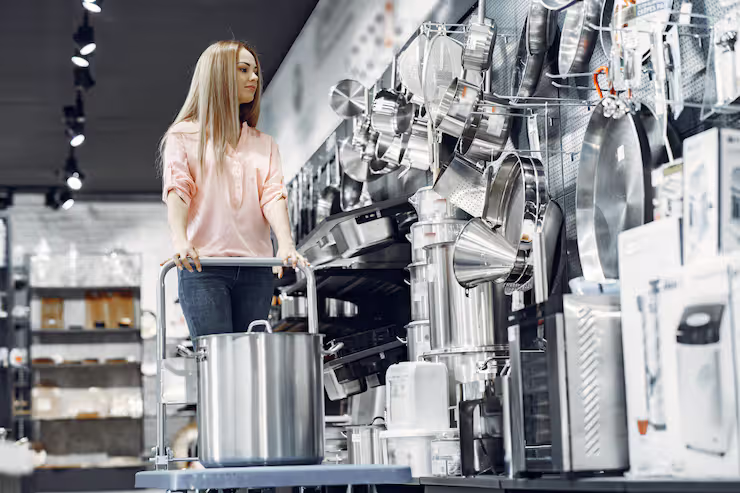
Cooking tools are used directly on heat sources such as stoves or ovens. Frying pans, saucepans, stock pots, baking trays, roasting pans, and utensils like spatulas and tongs are common examples. Materials such as cast iron, stainless steel, aluminum, and non-stick coatings influence performance and maintenance. Appliances such as microwaves, blenders, food processors, rice cookers, air fryers, and coffee makers save time and reduce manual work. Storage tools such as airtight containers, spice racks, and reusable food bags help preserve freshness and keep kitchens organized.
| Equipment Category | Common Items | Main Use |
|---|---|---|
| Preparation Tools | Knives, bowls, measuring tools | Ingredient preparation |
| Cooking Tools | Pots, pans, trays | Heating and cooking |
| Appliances | Blender, microwave, air fryer | Speed and convenience |
| Storage Tools | Containers, racks | Organization and freshness |
Recent Updates and Trends
The kitchen equipment market has evolved rapidly with changing consumer preferences and technological advancements. Smart kitchen appliances with Wi-Fi and app-based controls are becoming increasingly common. Smart ovens, coffee makers, and pressure cookers allow users to monitor and control cooking remotely, improving convenience and efficiency.
Compact and space-saving appliances are also trending, especially in urban homes and apartments where kitchen space is limited. Foldable tools, stackable cookware, and slim-profile appliances help maximize available space. Multi-functional appliances such as pressure cookers with multiple cooking modes and combination microwave ovens reduce clutter and save money by replacing several devices.
Sustainability has become another important trend. Many consumers now choose eco-friendly tools made from bamboo, glass, and reusable silicone. Energy-efficient appliances and non-toxic cookware materials are also gaining popularity as awareness around environmental and health concerns increases.
Evidence-Based Tips for Choosing Cooking Equipment
Selecting the right cooking equipment depends on cooking style, kitchen size, and long-term needs. People who cook frequently should prioritize versatile and durable tools. A chef’s knife, sturdy cookware set, and accurate measuring tools are often among the most important investments. Those who bake regularly may need stand mixers, baking trays, and kitchen scales, while smoothie lovers or meal-prep enthusiasts may prefer high-performance blenders or food processors.
Durability is another major factor. Stainless steel cookware is known for its resistance to rust and long lifespan, while cast iron offers excellent heat retention. Silicone utensils are flexible and heat-resistant, making them practical for non-stick cookware. Choosing durable products may reduce replacement costs over time.
Safety should always be considered. Knives with ergonomic handles reduce hand strain, non-slip cutting boards improve stability, and oven mitts or heat-resistant gloves reduce the risk of burns. In small kitchens, compact appliances and stackable cookware can improve organization without sacrificing functionality.
Laws and Safety Guidelines
Cooking equipment should always be used according to manufacturer instructions and basic safety standards. Electrical appliances should be operated using the correct voltage and kept away from water to reduce the risk of electric shock. Unplugging appliances after use can prevent overheating and electrical damage.
Food safety practices are equally important. Separate cutting boards should be used for raw meat and vegetables to reduce contamination. Tools and surfaces should be cleaned properly after use to prevent bacterial growth. Safe food storage containers also help maintain freshness and hygiene.
Fire and heat safety are critical in every kitchen. Never leave cooking unattended, especially when frying or grilling. Keep flammable items such as paper towels or cloth near neither open flames nor hot surfaces. Using heat-resistant gloves or mitts helps prevent burns when handling cookware.
| Safety Area | Purpose | Practical Advice |
|---|---|---|
| Electrical Safety | Prevent shocks | Unplug after use |
| Food Safety | Avoid contamination | Use separate tools |
| Fire Safety | Prevent burns and fires | Stay attentive while cooking |
Tools and Resources
Modern technology offers many tools and resources to improve cooking efficiency and kitchen management. Recipe applications provide step-by-step instructions, ingredient lists, and meal ideas based on available ingredients. Meal-planning apps help organize weekly menus and grocery shopping, reducing food waste and saving time.
Smart appliance apps allow remote monitoring and notifications for connected devices such as ovens and coffee makers. Digital kitchen scales and timers improve precision in baking and cooking. Online tutorials and cooking communities also help beginners learn proper techniques and understand how to use different kitchen tools effectively.
Frequently Asked Questions
What cooking equipment is essential for beginners?
A chef’s knife, cutting board, saucepan, frying pan, measuring cups, mixing bowls, and spatula are considered essential for most beginners.
Are expensive kitchen tools always better?
Not always. Durability, comfort, usefulness, and material quality are often more important than price alone.
What is the safest cookware material?
Stainless steel and cast iron are commonly considered safe and durable when used correctly.
How can I organize a small kitchen?
Use wall-mounted racks, stackable containers, shelves, and multi-functional appliances to save space.
How often should kitchen tools be replaced?
Replace kitchen tools when they become damaged, unsafe, or less effective in daily use.
Summary and Final Insights
Cooking equipment plays an important role in efficient meal preparation, kitchen safety, and food quality. Whether someone is setting up a first kitchen or upgrading an existing one, understanding essential tools and their uses can save time, improve consistency, and reduce stress. The right preparation tools, cookware, appliances, and storage solutions create a more organized and functional cooking environment.
Modern trends such as smart appliances, eco-friendly materials, and compact designs continue to influence how people cook at home. By choosing equipment based on cooking habits, kitchen size, and safety requirements, anyone can create a practical and enjoyable kitchen setup that supports faster, safer, and more efficient meal preparation.