Complete Blood Pressure Monitoring Devices Overview: Discover Monitoring Methods, Device Types, Health Insights, and Practical Resources
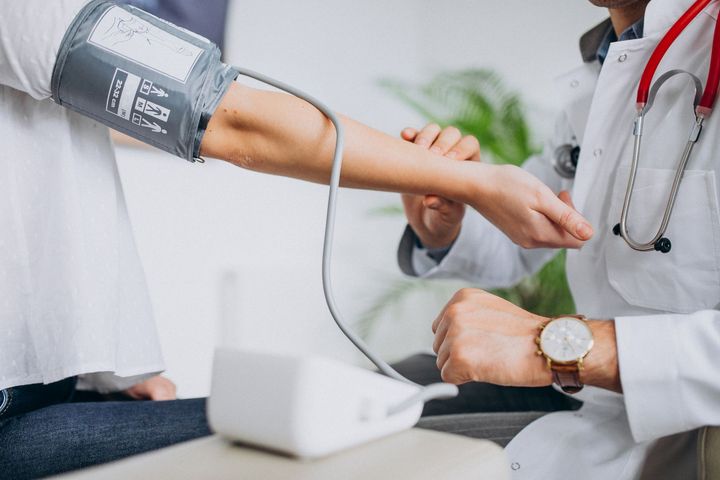
Blood pressure monitoring devices are tools designed to measure the force of blood against artery walls as the heart pumps and rests. These devices play an important role in helping individuals and healthcare professionals understand cardiovascular health trends over time.
Understanding Blood Pressure Monitoring Devices
The need for blood pressure monitoring exists because high and low blood pressure often develop without obvious symptoms. Regular monitoring can help identify patterns that may require medical attention. Over the years, monitoring methods have evolved from manual measurement techniques to sophisticated digital blood pressure monitor systems equipped with connectivity features and automated analysis capabilities.
Today, advances in medical device technology have introduced new ways to collect, store, and interpret blood pressure readings. Modern devices often connect to a blood pressure tracking app or monitoring platform, making it easier for users to review historical data and share information with healthcare providers.
The growing integration of smart blood pressure monitor systems with digital health ecosystems reflects the broader trend toward preventive healthcare and remote health management.
Why Blood Pressure Monitoring Matters Today
Cardiovascular conditions remain among the leading health concerns worldwide. Blood pressure monitoring helps individuals and healthcare professionals identify changes that may affect overall well-being.
Several factors have increased the importance of monitoring:
- Aging populations in many countries
- Greater awareness of cardiovascular health
- Increased adoption of home healthcare equipment
- Expansion of digital health technologies
- Improved access to health data through connected devices
Blood pressure monitoring can benefit a wide range of individuals, including:
- Adults managing long-term health conditions
- Older adults monitoring cardiovascular health
- Healthcare professionals tracking patient progress
- Caregivers supporting family members
- Individuals interested in preventive wellness practices
The table below illustrates common challenges and how monitoring devices may support awareness.
| Health Challenge | Monitoring Purpose |
|---|---|
| Elevated Blood Pressure | Track trends over time |
| Variable Readings | Identify patterns |
| Medication Monitoring | Observe response changes |
| Home Health Tracking | Record routine measurements |
| Preventive Screening | Support early awareness |
Digital monitoring solutions have become increasingly valuable because they simplify record keeping and improve consistency in measurement practices.
Different Types of Blood Pressure Monitoring Devices
Blood pressure monitoring technologies are available in several forms, each designed for different situations and user preferences.
Manual Blood Pressure Monitors
Manual devices use an inflatable cuff and a stethoscope. These devices are commonly used in clinical environments and require proper technique for accurate readings.
Digital Blood Pressure Monitor
A digital blood pressure monitor automatically inflates the cuff and displays readings electronically. These devices are among the most widely used options in homes and healthcare facilities.
Smart Blood Pressure Monitor
A smart blood pressure monitor can connect to smartphones, tablets, or cloud-based monitoring platforms. These systems allow users to store readings and review long-term trends.
Automatic Blood Pressure Device
An automatic blood pressure device performs inflation, measurement, and data display with minimal user intervention. Many modern home units fall into this category.
Ambulatory Blood Pressure Monitoring Systems
These portable devices record blood pressure throughout the day and night while a person continues normal activities. Healthcare professionals may use them for detailed assessment.
Wearable Monitoring Technologies
Emerging wearable devices use sensors and advanced algorithms to estimate cardiovascular metrics and support ongoing monitoring.
Benefits and Applications
Blood pressure monitoring devices offer practical benefits for both personal health management and clinical decision-making.
Improved Health Awareness
Regular measurements help individuals understand changes in blood pressure over time and recognize unusual patterns.
Better Data Tracking
A blood pressure tracking app can organize readings, generate trends, and support long-term observation.
Enhanced Convenience
Modern home healthcare equipment allows users to perform measurements without visiting a healthcare facility.
Support for Preventive Care
Routine monitoring encourages proactive engagement with cardiovascular health.
Digital Integration
Many monitoring systems now connect with broader health platforms, creating centralized records that can support healthcare discussions.
The following chart illustrates the relative use of common monitoring approaches.
| Monitoring Method | Estimated Usage Share (%) |
| Digital Monitors | 45 |
| Automatic Devices | 25 |
| Smart Monitors | 15 |
| Manual Monitors | 10 |
| Ambulatory Systems | 5 |
Common applications include:
- Home health monitoring
- Chronic disease management
- Clinical assessments
- Wellness programs
- Telehealth support
- Long-term cardiovascular observation
The concept of Industrial Remote Monitoring has also influenced healthcare technology. While traditionally associated with industrial equipment management, remote monitoring principles now help healthcare systems track patient-generated health data through connected monitoring platforms and secure digital networks.
Top 5 Leading Provider Company Names
Several companies are recognized globally for their contributions to blood pressure monitoring technology and healthcare innovation.
- Omron Healthcare
- Philips Healthcare
- GE HealthCare
- Welch Allyn (Hillrom)
- A&D Medical
These organizations contribute to the development of digital blood pressure monitor systems, smart blood pressure monitor technologies, healthcare analytics platforms, and medical device technology advancements.
Recent Updates and Industry Trends
The blood pressure monitoring industry has experienced several notable developments during the past year.
Increased Artificial Intelligence Integration (2025–2026)
Manufacturers have continued incorporating artificial intelligence into monitoring platforms to improve trend analysis and data interpretation.
Growth of Connected Health Ecosystems
Throughout 2025 and early 2026, more monitoring devices became compatible with electronic health records and mobile health applications.
Expansion of Remote Monitoring Programs
Healthcare organizations have expanded remote patient monitoring initiatives, enabling healthcare professionals to review patient data outside traditional clinical settings.
Wearable Technology Improvements
Several technology developers introduced enhanced wearable cardiovascular monitoring features during 2025, focusing on convenience and continuous health tracking.
Greater Focus on Data Security
As connected healthcare devices become more common, organizations have increased attention to cybersecurity and health information protection measures.
These trends demonstrate how digital transformation continues to shape modern healthcare monitoring practices.
Laws and Policies Affecting Blood Pressure Monitoring Devices
Blood pressure monitoring devices are regulated to help ensure safety, accuracy, and effectiveness.
Medical Device Regulations
Most countries classify blood pressure monitors as regulated medical devices. Manufacturers must meet established standards before products enter the market.
Data Privacy Requirements
Connected monitoring platforms and blood pressure tracking apps often collect health-related information. Privacy laws may govern how this information is stored, processed, and shared.
Healthcare Technology Standards
National regulatory agencies frequently establish requirements related to device performance, labeling, and quality management.
Government Health Programs
Some public health initiatives encourage routine blood pressure screening as part of broader cardiovascular disease prevention strategies.
Digital Health Policies
Governments increasingly support responsible adoption of digital healthcare tools while maintaining safeguards for patient information and system reliability.
Requirements vary by country and region, making local regulatory guidance an important reference point.
Helpful Tools and Resources
A variety of digital tools and educational resources can support blood pressure monitoring and health awareness.
Mobile Applications
- Blood pressure tracking app platforms
- Health journal applications
- Wellness monitoring dashboards
- Connected health record systems
Monitoring Platforms
- Cloud-based monitoring platform solutions
- Remote health tracking systems
- Digital reporting tools
- Data visualization dashboards
Educational Resources
- Cardiovascular health information portals
- Public health websites
- Medical association educational materials
- Preventive health guides
Practical Tracking Tools
- Blood pressure logs
- Measurement record templates
- Health observation journals
- Digital trend reports
The table below summarizes commonly used resources.
| Resource | Purpose |
| Blood Pressure Tracking App | Store and review readings |
| Monitoring Platform | Organize health data |
| Digital Reports | Visualize trends |
| Health Journals | Maintain records |
| Educational Websites | Learn monitoring practices |
Many users combine home healthcare equipment with digital tracking systems to maintain organized health records and support discussions with healthcare professionals.
Frequently Asked Questions
What is a digital blood pressure monitor?
A digital blood pressure monitor is an electronic device that automatically measures blood pressure and displays results on a screen.
How does a smart blood pressure monitor differ from a standard monitor?
A smart blood pressure monitor typically connects to a smartphone, tablet, or monitoring platform, allowing readings to be stored and analyzed digitally.
Can a blood pressure tracking app replace medical advice?
No. A blood pressure tracking app helps organize readings, but healthcare decisions should be made in consultation with qualified medical professionals.
What is an automatic blood pressure device?
An automatic blood pressure device performs cuff inflation, measurement, and result calculation automatically, making routine monitoring easier.
Why is regular blood pressure monitoring important?
Regular monitoring helps individuals observe trends, maintain awareness of cardiovascular health, and provide useful information during healthcare consultations.
Conclusion
Blood pressure monitoring devices have become an important part of modern healthcare and personal wellness management. From traditional manual instruments to advanced digital blood pressure monitor systems and smart blood pressure monitor technologies, monitoring methods continue to evolve through innovations in medical device technology.
The integration of monitoring platforms, blood pressure tracking apps, automatic blood pressure devices, home healthcare equipment, and remote monitoring concepts has expanded access to health information and improved long-term data management. Recent developments in artificial intelligence, connected healthcare systems, wearable technologies, and digital health infrastructure continue to shape the future of cardiovascular monitoring.
By understanding available device types, monitoring methods, regulatory considerations, practical tools, and educational resources, individuals can make informed decisions about blood pressure awareness and health tracking practices.
Informational Disclaimer: References to monitoring devices, digital platforms, healthcare technologies, packages, subscriptions, or related features are provided solely for educational purposes. Availability, specifications, functionality, and estimated expenses may vary by provider, region, healthcare system, and regulatory requirements. Readers should consult qualified healthcare professionals and applicable regulatory guidance for medical decisions and device-related information.