Commercial Property Insurance: Explore Coverage, Risks and Policy Features
Commercial property insurance helps businesses protect buildings, equipment, inventory, furniture, and other physical assets against specified risks. It can play an important role in maintaining financial stability when a business property is damaged by events such as fire, windstorm, vandalism, or other covered causes of loss.
Businesses depend on physical assets to operate. An office may rely on computers and communication equipment, a manufacturer may depend on machinery and production facilities, and a retailer may hold significant inventory at one or more locations. Damage to these assets can create repair expenses, operational delays, and unexpected financial pressure.
Commercial property insurance is designed to address certain physical property losses, subject to the policy's definitions, exclusions, deductibles, and coverage limits. Depending on the business and policy structure, additional protection may be available for business interruption, equipment breakdown, valuable records, outdoor property, and other exposures.
Understanding the available coverage options helps business owners, property managers, and corporate risk teams evaluate whether their insurance arrangements reflect the actual value and use of their properties.
Why Commercial Property Insurance Matters
A property loss can affect more than the physical building. Damage to equipment, inventory, or essential facilities may interrupt business operations and create additional financial obligations.
Commercial property insurance can help organizations:
Protect physical assets: Address eligible repair or replacement expenses following a covered loss.
Maintain business continuity: Coordinate property protection with business interruption coverage.
Manage financial exposure: Reduce the financial impact of specified property damage.
Support contractual obligations: Help address insurance requirements under leases, mortgages, and financing agreements.
Protect business investments: Account for buildings, machinery, inventory, furniture, and other important assets.
Improve risk planning: Encourage regular property inspections, maintenance, and disaster preparedness.
Support recovery: Provide a defined claims process for documenting and evaluating covered losses.
The protection is particularly important for businesses with expensive facilities, specialized equipment, large inventory holdings, multiple locations, or significant exposure to natural hazards.
What Does Commercial Property Insurance Cover?
Coverage depends on the policy form, insured property, selected limits, and endorsements. Common categories include the following.
1. Commercial Buildings
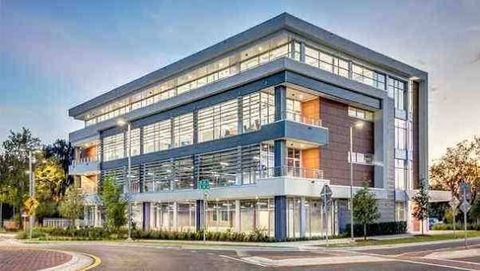
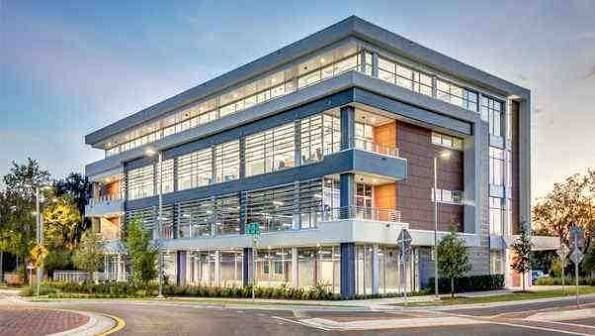
Building coverage may protect structures owned by the insured business, including:
Office buildings and corporate facilities.
Retail premises and shopping locations.
Warehouses and distribution centers.
Manufacturing plants and production facilities.
Restaurants, hotels, and hospitality buildings.
Certain permanently installed building systems and fixtures.
The policy should clearly identify the insured premises and the property interests being protected. Businesses that lease their premises should review their lease obligations and determine which building components they are responsible for insuring.
2. Business Personal Property
Business personal property generally refers to eligible physical assets used in business operations.
Examples include:
Office furniture and fixtures.
Computers and electronic equipment.
Manufacturing machinery.
Tools and production equipment.
Inventory and merchandise.
Raw materials and finished products.
Certain business records and supplies.
Coverage may depend on where the property is located, who owns it, and whether it is included in the policy's property description.
3. Property of Others
Some businesses temporarily hold property belonging to customers, suppliers, contractors, or other parties.
Examples include customer equipment awaiting repair, goods held in storage, or materials entrusted to a manufacturer.
A policy may provide limited protection for property of others, but businesses should confirm whether the relevant assets are covered, how their value is determined, and whether contractual responsibilities create additional exposure.
4. Business Interruption Coverage
Business interruption insurance, also known as business income coverage, can help address certain income losses when a covered property event causes an interruption.
Depending on the policy, it may address:
Lost business income.
Continuing operating expenses.
Certain employee payroll expenses.
Temporary relocation expenses.
Additional expenses incurred to maintain operations.
Coverage is subject to the insured event, waiting period, indemnity period, financial calculations, and other policy conditions. The National Association of Insurance Commissioners explains that business interruption protection generally responds to qualifying operational suspensions associated with covered property damage. <Cite refs={["turn538754search0","turn538754search1"]}/>
5. Additional Property Protection
Depending on the insurer and policy structure, businesses may consider additional coverage for:
Debris removal.
Certain outdoor signs and fixtures.
Valuable papers and records.
Newly acquired property.
Property temporarily away from insured premises.
Certain equipment and machinery.
Ordinance or law-related rebuilding expenses.
Extra expenses arising from covered property damage.
These protections are not automatically included in every policy. Their availability, limits, and conditions should be confirmed in the policy documents.
Common Commercial Property Insurance Policy Forms
Commercial property policies may use different coverage forms to define which causes of loss are insured.
| Policy form | General coverage approach | Important consideration |
|---|---|---|
| Basic form | Covers specified causes of loss such as fire and lightning | Limited to listed covered events |
| Broad form | Adds certain additional named perils | Review the specific covered-peril list |
| Special form | Generally covers direct physical loss unless excluded or restricted | Exclusions and conditions remain important |
| Businessowners policy (BOP) | Combines eligible property and liability protections, often with business income coverage | Eligibility and limits depend on the business and insurer |
A special form is sometimes described as open-perils coverage. This does not mean every possible loss is covered. The policy still contains exclusions, limitations, conditions, and requirements that determine whether a claim qualifies.
The NAIC describes basic, broad, and special property coverage approaches and explains the difference between actual cash value and replacement cost valuation. <Cite refs={["turn538754search2","turn538754search3"]}/>
Common Risks Affecting Commercial Properties
Commercial buildings and business assets can face a range of physical and operational threats.
Fire and Smoke Damage
Fire can damage building structures, electrical systems, machinery, inventory, and office contents. Smoke and firefighting activities may also cause substantial property damage.
Businesses should maintain suitable fire detection equipment, inspect electrical systems, establish emergency procedures, and review the policy's treatment of fire-related losses.
Windstorms and Severe Weather
Wind, hail, storms, and related weather events can damage roofs, windows, exterior structures, signs, and equipment.
Properties in hurricane-prone or severe storm regions may face higher deductibles or specific coverage conditions. Businesses should understand how windstorm and named-storm provisions apply to their locations.
Water Damage and Flooding
Water damage may arise from plumbing failures, sprinkler leaks, roof damage, or other sources.
Flooding is a separate exposure that may require specific coverage. Standard commercial property policies do not necessarily cover flood damage, and exclusions can apply to particular water-related events.
Businesses should distinguish between internal water damage, surface flooding, storm surge, and other causes when reviewing coverage.
Theft, Burglary, and Vandalism
Commercial properties may be exposed to theft of inventory, equipment, tools, and other assets. Vandalism can also damage building interiors, windows, fixtures, and external property.
Security systems, controlled access, lighting, inventory records, and documented inspections can help reduce exposure.
Equipment and Machinery Damage
Machinery failure or physical damage can affect production, storage, processing, and distribution operations.
Ordinary mechanical or electrical breakdown may not be covered under a standard property policy unless the relevant cause of loss is insured. Equipment breakdown coverage may be needed for certain mechanical and electrical exposures.
Natural Catastrophe Exposure
Businesses may face earthquakes, hurricanes, wildfires, tornadoes, severe storms, and other natural hazards.
Risk varies significantly by location, building construction, occupancy, and protective measures. Companies with multiple premises should assess each location individually rather than relying on a single broad risk classification.
Understanding Replacement Cost and Actual Cash Value
The valuation method used in a property policy can significantly affect the amount payable after a loss.
Replacement cost value (RCV): Generally refers to the amount required to repair or replace covered property with materials of similar kind and quality, subject to the policy's terms and applicable limits.
Actual cash value (ACV): Generally accounts for depreciation when determining the value of damaged or destroyed property.
Consider a hypothetical business that owns machinery originally valued at $100,000. After several years of use, the equipment has an estimated depreciated value of $60,000, while comparable replacement machinery would require $110,000.
Under an actual cash value arrangement, depreciation may reduce the valuation of the covered loss. Under a replacement cost arrangement, eligible replacement expenses may be considered without the same depreciation deduction, subject to policy requirements.
The actual settlement depends on the policy wording, valuation provisions, deductibles, limits, and evidence submitted.
Businesses should also remember that a building's real estate market value is not necessarily the same as its reconstruction value. Land value, location, demand, and market conditions influence real estate prices, while insurance valuation focuses on the insured property and applicable coverage basis.
Policy Limits, Deductibles, and Coinsurance
A commercial property policy should be reviewed for several financial provisions.
Policy limit: The maximum amount available for a covered loss under the applicable coverage section.
Deductible: The amount or percentage the policyholder must generally absorb before the insurer pays an eligible claim.
Sub-limit: A smaller limit that applies to a particular type of property, event, or expense.
Coinsurance clause: A provision that may reduce claim payments when the insured carries less insurance than the percentage of property value specified in the policy.
Agreed value provision: An arrangement that may suspend or modify certain coinsurance requirements when the applicable conditions are satisfied.
Occurrence limit: The maximum amount payable for a covered event, depending on the policy structure.
Coinsurance deserves particular attention. If the required insurance amount is not maintained, the policyholder may share a greater proportion of a loss.
For example, if a policy contains an 80% coinsurance requirement, the business may need to insure the property for at least 80% of the applicable value to avoid a coinsurance penalty, subject to the policy's valuation rules and exceptions.
Owners should review property valuations periodically, especially after renovations, acquisitions, equipment upgrades, or changes in construction and labor prices.
What Does Commercial Property Insurance Usually Exclude?
Exclusions vary by insurer and policy form. Common areas requiring additional review include:
Flood damage.
Earthquake damage.
Ordinary wear and tear.
Gradual deterioration.
Mechanical breakdown.
Insects, pests, and certain contamination events.
War and certain government-related risks.
Certain pollution and environmental exposures.
Unexplained disappearance or inventory shortages.
Losses that do not satisfy the policy's physical damage requirements.
Some exclusions can be modified through endorsements or separate policies. Others may remain outside the available coverage.
Businesses should not assume that a broad policy description automatically includes every type of property loss. The actual wording and endorsements determine the scope of protection.
How to Evaluate Commercial Property Insurance Needs
A structured assessment helps organizations identify coverage gaps and select appropriate policy arrangements.
1. Prepare a Property Inventory
Record all relevant buildings, machinery, equipment, inventory, furniture, and other physical assets.
The inventory should identify ownership, location, approximate value, age, condition, and business importance.
2. Establish Accurate Property Values
Estimate the appropriate rebuilding or replacement values for buildings and business assets.
Valuations should reflect construction characteristics, current material and labor requirements, specialized equipment, and relevant professional assessments.
3. Evaluate Location-Specific Risks
Review exposure to flooding, wildfire, windstorm, hail, earthquake, theft, and other hazards.
Businesses with several premises should maintain location-specific risk information and consider how a major event could affect multiple facilities.
4. Review Business Interruption Exposure
Estimate how long operations could remain affected following a major property loss.
Consider expected lost income, continuing expenses, alternative premises, supplier dependencies, and the time needed to restore normal operations.
5. Compare Policy Terms
Evaluate covered causes of loss, exclusions, deductibles, limits, coinsurance, valuation methods, and available endorsements.
The comparison should consider the quality and breadth of protection rather than focusing only on the quoted premium.
6. Review Contractual Requirements
Leases, mortgages, financing agreements, and commercial contracts may specify insurance requirements.
Businesses should check required limits, named insured arrangements, additional insured provisions where relevant, and evidence of insurance obligations.
Risk Prevention and Property Protection Strategies
Insurance is one part of a broader property risk management program. Physical safeguards and operational procedures can reduce the likelihood or severity of losses.
Fire prevention: Maintain fire alarms, suppression systems, electrical inspections, and suitable emergency procedures.
Roof and building maintenance: Inspect roofing, drainage, exterior walls, foundations, and structural components regularly.
Water damage controls: Monitor plumbing, water detection equipment, sprinkler systems, and drainage infrastructure.
Security arrangements: Use appropriate access controls, surveillance, lighting, and inventory monitoring.
Equipment maintenance: Follow manufacturer maintenance schedules and maintain records of inspections and repairs.
Disaster preparedness: Establish evacuation plans, emergency contacts, backup arrangements, and procedures for protecting critical assets.
Documentation: Maintain photographs, asset registers, purchase records, maintenance reports, and copies of insurance documents.
Underwriters may consider the quality of these controls when assessing a property's risk profile.
Recent Developments in the U.S. Commercial Property Insurance Market
Commercial property insurance market conditions have continued to evolve during 2026, with pricing and underwriting outcomes varying according to property quality, location, catastrophe exposure, and loss history.
Property market softening in Q3 2026: Marsh's U.S. Global Insurance Market Index reported that commercial property rates declined by approximately 10% in Q3 2026, following a similar decline in Q2. The report described increased insurer capacity and competition as important contributors to the softer market. These figures are market averages and do not predict the renewal outcome for an individual property. <Cite refs={["turn286003search5"]}/>
Greater competition for well-managed properties: Brown & Brown's 2026 market trends report identified favorable conditions for many well-managed properties with strong loss histories and lower catastrophe exposure. It also noted that older buildings, wildfire-exposed properties, and properties with poor loss records may continue to face more difficult underwriting conditions. <Cite refs={["turn286003search0","turn286003search1"]}/>
Continued focus on property valuation: Insurers continue to examine replacement values, construction details, occupancy, protection systems, and geographic exposure. Aon highlighted the importance of accurate valuations and detailed construction, occupancy, protection, and exposure information when evaluating commercial property programs. <Cite refs={["turn286003search36","turn286003search9"]}/>
These developments suggest that businesses should use renewal discussions to review coverage adequacy, update property information, and address outstanding risk improvement recommendations. Market-wide rate decreases should not be treated as a guarantee of lower premiums or broader coverage for every property.
Laws and Regulations Relevant to Commercial Property Insurance
In the United States, commercial property insurance is influenced by state insurance regulation, federal disaster programs, building requirements, and contractual obligations.
State insurance regulation: Insurance companies and policy forms are generally subject to state-level regulation. State insurance departments oversee relevant licensing, market conduct, rate and form requirements, and consumer or commercial policyholder protections within their authority.
National Flood Insurance Program (NFIP): FEMA administers the NFIP, which provides eligible flood insurance arrangements through participating communities and authorized channels. Commercial and non-residential properties may qualify under applicable program rules. NFIP coverage has specific definitions, limits, exclusions, and conditions, so businesses should review the current program documentation and consider whether separate excess flood protection is appropriate. <Cite refs={["turn538754search24","turn538754search4"]}/>
Building codes and local ordinances: Local building codes and ordinances can affect reconstruction requirements after property damage. Ordinance or law coverage may be relevant where rebuilding to current standards creates additional expenses, subject to policy terms.
Mortgage and lease agreements: Lenders and landlords may require specific property insurance limits, coverage provisions, and evidence of insurance. These are contractual requirements rather than a universal insurance mandate for every business.
Federal and state disaster requirements: Businesses operating in designated disaster areas may need to consider applicable emergency management, rebuilding, floodplain, and other local requirements.
Legal and regulatory obligations depend on the property's location, occupancy, financing, ownership structure, and applicable rules. Businesses should verify current requirements with the relevant state insurance department, FEMA, local authorities, and qualified professionals.
Tools and Resources
The following resources can help businesses evaluate property insurance and risk management arrangements:
National Association of Insurance Commissioners (NAIC): Educational information on commercial property, business interruption, policy valuation, and insurance terminology.
Federal Emergency Management Agency (FEMA): Flood hazard information, NFIP documentation, and disaster preparedness resources.
State insurance departments: State-specific information about insurance regulation, licensed insurers, and complaint procedures.
Insurance brokers and risk advisers: Support with policy comparisons, property schedules, valuation reviews, and coverage analysis.
Property valuation professionals: Assess building reconstruction values, equipment, and specialized business assets.
Building inspection professionals: Evaluate structural conditions, roofing, electrical systems, fire protection, and maintenance requirements.
Business continuity planning tools: Help document critical operations, recovery priorities, alternative premises, and emergency responsibilities.
Asset management systems: Maintain property registers, equipment details, photographs, and maintenance records.
Organizations should compare resources with their actual policy wording and business requirements rather than relying on general descriptions alone.
Commercial Property Insurance Checklist
Use this checklist when reviewing a commercial property insurance arrangement:
Identify all buildings, business contents, machinery, and inventory.
Confirm ownership, occupancy, and insured locations.
Review current building reconstruction and asset replacement values.
Check whether replacement cost or actual cash value applies.
Review covered perils and property-specific exclusions.
Evaluate flood, earthquake, windstorm, and wildfire exposure.
Check policy limits, deductibles, sub-limits, and coinsurance clauses.
Review business interruption and extra expense protection.
Confirm contractual insurance requirements under leases and financing agreements.
Maintain photographs, receipts, inventories, and maintenance records.
Review fire protection, building maintenance, and security controls.
Update the policy after major property improvements or acquisitions.
Understand claim notification requirements and evidence procedures.
Frequently Asked Questions
1. What does commercial property insurance cover?
It generally protects eligible business buildings and physical assets against specified causes of loss. Depending on the policy, covered property may include machinery, inventory, furniture, equipment, and certain building fixtures. The policy wording determines which events and assets qualify.
2. Does commercial property insurance cover business interruption?
Business interruption coverage may be included in a businessowners policy or added through a separate coverage section or endorsement. It can address certain lost income and continuing expenses following a covered property loss, subject to waiting periods, limits, and other conditions.
3. Is flood damage included in commercial property insurance?
Not necessarily. Flood damage is commonly excluded from standard commercial property coverage and may require a separate flood policy or endorsement. Businesses should review their geographic exposure and the applicable FEMA or private flood insurance arrangements.
4. What is the difference between replacement cost and actual cash value?
Replacement cost generally focuses on eligible repair or replacement expenses without the same depreciation deduction used in actual cash value calculations. Actual cash value generally accounts for depreciation. The policy's valuation provisions determine how a claim is assessed.
5. How often should a business review its commercial property insurance?
Businesses should review coverage at least during each renewal cycle and after material changes, such as property acquisitions, renovations, equipment upgrades, inventory growth, changes in occupancy, or new geographic exposures.
Conclusion
Commercial property insurance can help businesses manage financial exposure arising from damage to buildings, equipment, inventory, and other physical assets. Its effectiveness depends on accurate valuations, suitable policy limits, appropriate coverage forms, and a clear understanding of exclusions and claim conditions.
Businesses should assess property-specific risks, coordinate physical damage protection with business interruption planning, and maintain reliable records of assets and improvements. Regular reviews of insurance arrangements and risk prevention measures can help organizations maintain more appropriate protection as their operations and property exposures change.